



DATELINE: When Verses Learned to Breathe – Bashir Dada and the Tender Soul of Kashmir

Dada’s verses bloom quietly in the hearts of listeners, like spring flowers returning without announcement.
Peerzada Masarat Shah
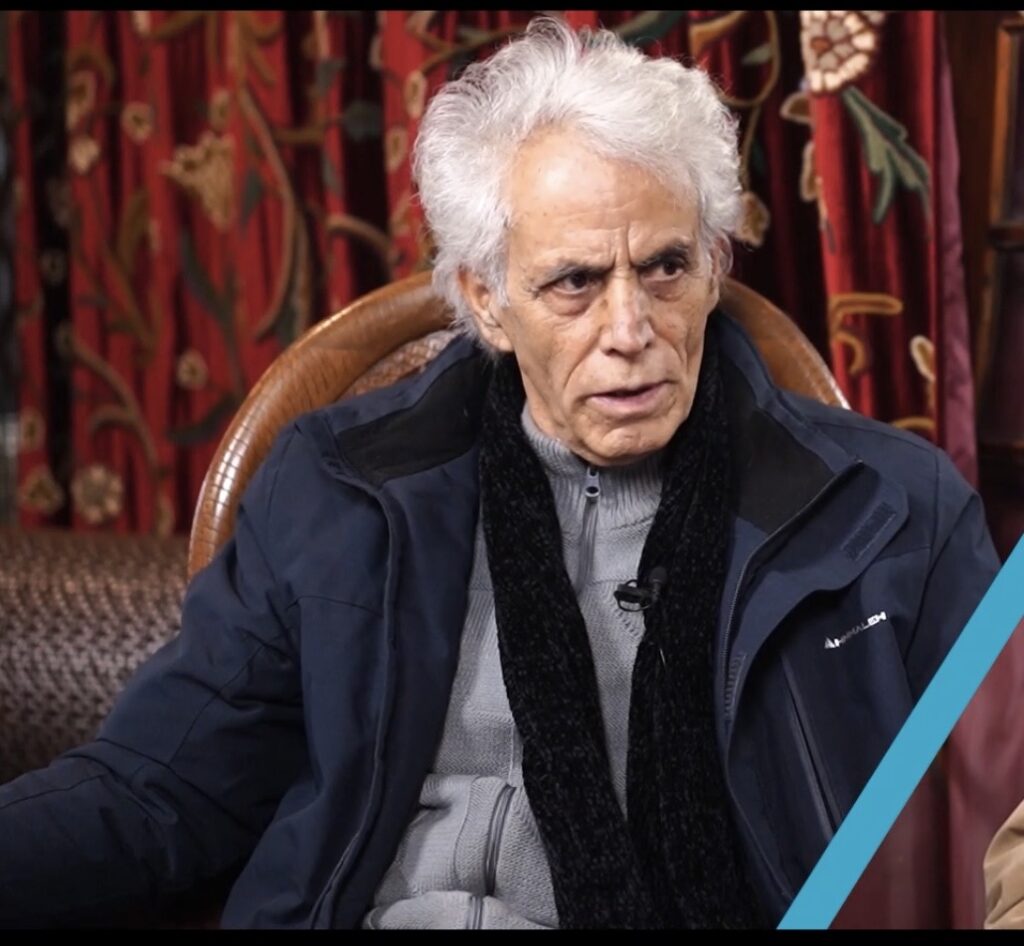
In the heart of Anantnag in south Kashmir, where mountains stand like silent witnesses and time moves at its own poetic pace, a quiet miracle was taking shape in 1952. No one knew then that a young man, unaware of his own destiny, would one day lend his voice to the unspoken emotions of an entire land. Bashir Dada did not announce his arrival into poetry; he drifted into it, gently and unexpectedly, like a bird discovering spring without seeking it.
His first Kashmiri ghazal was not born of ambition or literary calculation. It rose instead from longing — raw, sincere, and unguarded. Those early lines carried the ache of a heart searching for someone it could confide in:
Cheerith ba haav yass dil,
goch me su yaar aasun’
(I long for the beloved to whom I can bare my heart.)
In these simple words lived an ocean of emotion. Listeners recognized themselves in the longing, as though Dada had articulated a grief they had never managed to name. His verses moved quietly, feather-light, yet they settled deeply, leaving a permanent imprint on the soul.
Kashmir was not merely the setting of his life; it was the breath behind his words. The snow-crowned Himalayas reflected the reach of his imagination, while the meandering rivers echoed the flow of his emotions. The valley’s history — tender in moments, turbulent in others — found expression in his poetry, giving it a voice that felt both deeply personal and profoundly collective.
He wrote of love that waited patiently, of separation that softened the heart rather than hardening it, and of hope that refused to fade. Even when sorrow dominated his verse, it carried a quiet tenderness, as if pain itself had learned compassion. His poetry felt like winter sunlight — gentle, but enough to keep the heart warm.
Romantic verse may have made him beloved, but Bashir Dada was far more than a poet of longing. He was a storyteller of society. Through radio and television, he crafted dramas in Kashmiri and Urdu that reflected the lived realities of ordinary people. His stories spoke of silent struggles, uncelebrated sacrifices, and resilience shaped by circumstance.
His characters were not imagined heroes; they were reflections of the people he lived among. Farmers, workers, lovers, and dreamers — all found space in his narratives. Through them, Dada gave voice to the voiceless, allowing art to become a subtle form of social witness.
At the heart of his artistic philosophy was humility. He believed poetry ceased to belong to the poet once it reached the people. Words, he felt, were meant to travel freely, like breath or prayer. This belief surfaced beautifully in another of his verses:
Bozum byemaar ketyah tsei nish yiwaan ilaaj’as,
Be te roi choan wecheha, be gasus byemaar aasun.
(I hear so many patients come to you seeking cure;
I wish only to see you — if only I too were ill.)
Here, longing turns tender, desire cloaked in innocence. Love is no longer dramatic; it is quietly human. Such verses revealed Dada’s genius — his ability to transform the simplest emotions into timeless expressions.
Despite national recognition and awards from institutions like Akashwani and the Jammu and Kashmir Cultural Academy, Bashir Dada remained deeply rooted. There was an irony in seeing a man who insisted poetry belonged to everyone being elevated as a literary figure. Yet he carried this contradiction with grace, never separating himself from the people whose emotions he so faithfully mirrored.
As age settled gently upon him, his influence only deepened. New generations of poets, actors, and writers continued to draw inspiration from his work. In an era obsessed with immediacy, his words endured — unhurried, sincere, and luminous.
Why call him an “accidental custodian” of Kashmiri poetry? Perhaps because he never intended to guard a tradition. He simply followed emotion wherever it led. And in doing so, he preserved something priceless — the emotional memory of a people.
Even today, his verses bloom quietly in the hearts of listeners, like spring flowers returning without announcement. Bashir Dada reminds us that when poetry is born from sincerity, it does not age — it simply learns to live forever.
(STRAIGHT TALK COMMUNICATIONS EXCLUSIVE)