



BY THE WAY: When Power Crosses the Line

Dignity is not negotiable. Faith is not a spectacle. Power is not a license to humiliate.
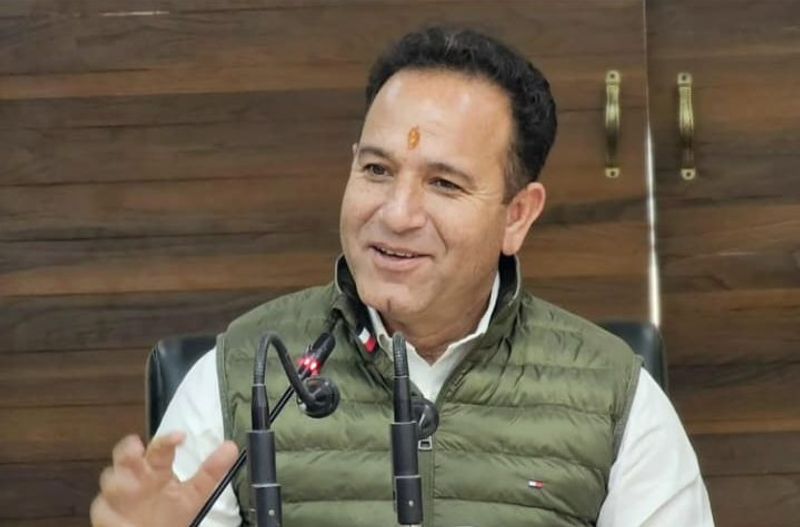
Dr Noour Ali Zehgeer
The alleged incident involving Bihar Chief Minister Nitish Kumar, in which he is reported to have publicly tugged at the hijab of a Muslim woman doctor during an official function, triggered widespread outrage—and rightly so. If the accounts are accurate, this was not a momentary lapse or an innocent gesture; it was a deeply disturbing act that strikes at the heart of personal dignity, religious freedom, and constitutional morality.
In a diverse and democratic country like India, the Constitution does not merely govern institutions; it protects people—especially their dignity, privacy, and freedom of belief. A woman’s choice of attire, particularly when rooted in religious faith, is safeguarded under fundamental rights. Any violation of that space, more so by a person holding the highest executive office in a state, is indefensible.
Public office is not a privilege detached from accountability. It is a responsibility bound by restraint, respect, and moral conduct. A Chief Minister is expected to set standards, not shatter them. Any physical intrusion into a woman’s personal space—intentional or careless—is unacceptable. When such conduct appears to undermine a minority community’s religious identity, it deepens the injury and fuels mistrust.
The incident has also raised uncomfortable but necessary questions about leadership standards in public life. Across sectors—administration, judiciary, academia—retirement norms exist to ensure efficiency, balance, and sound judgment. While age alone should never be used to demean or disqualify an individual, public conduct that appears erratic or insensitive invites scrutiny. Leadership demands composure, awareness, and an acute understanding of constitutional boundaries. When these seem compromised, citizens are justified in asking whether those in power remain fit to govern.
It is important to be clear: questioning conduct is not an attack on a person’s lifelong service, nor is it ageism. It is about accountability. No past contribution grants immunity from present responsibility. If anything, experience should deepen one’s commitment to constitutional values, not dilute it.
Equally troubling is the silence or defensiveness that often follows such incidents. Silence, in moments like these, risks becoming complicity. The appropriate response is neither denial nor justification, but humility and accountability. An immediate, unconditional public apology to the woman concerned and to the nation is the bare minimum. Anything less would signal indifference to the pain caused and the principles violated.
This is not merely about one individual or one event. It is about the message sent to women, minorities, and citizens at large. When those at the helm display disregard for personal dignity, it normalizes disrespect down the line. When constitutional values are compromised in public view, faith in institutions erodes.
India’s democracy rests on the idea that power is accountable and authority is restrained by ethics. A Chief Minister’s foremost duty is to safeguard these ideals—not only through policy, but through personal conduct. If that duty is breached, stepping aside becomes not a punishment, but an act of responsibility.
The alleged incident in Bihar is a stark reminder that constitutional values must be defended every day, especially by those sworn to uphold them. Dignity is not negotiable. Faith is not a spectacle. Power is not a license to humiliate. If our leaders forget this, citizens must remind them—firmly, lawfully, and without fear.
(STRAIGHT TALK COMMUNICATIONS. The views are exclusively of the author. )