



Delhi–Srinagar Train: No longer a luxury, an urgent necessity

Ahmad Ayaz
Snowfall in Kashmir has a direct impact on the road connectivity. During the snowfall, the Jammu–Srinagar National Highway becomes immediate casualty and is closed for traffic. Even the flights get cancelled, leaving the Valley effectively stranded. To be precise, every winter, Kashmir is reminded – yet again – of a harsh and uncomfortable truth: the region remains dangerously vulnerable due to fragile connectivity with the rest of the country. A spell of snowfall, entirely natural and expected in this region, is enough to bring daily life to a grinding halt. This recurring crisis raises a question that can no longer be ignored: why does Kashmir still lack a direct, regular train service connecting it to Delhi?
For decades, connectivity in Kashmir has been discussed not as a matter of convenience but as a matter of survival. Roads, airways, and partially completed railway links have all been projected as solutions. Yet, every winter exposes how inadequate and unreliable these arrangements remain. In this context, a direct rail link from the national capital to the Valley is no longer a luxury or aspirational infrastructure—it is an urgent necessity.
The Fragility of Road Connectivity
The Jammu–Srinagar National Highway (NH-44) is often described as Kashmir’s lifeline. In reality, it is also its greatest vulnerability. Despite widening projects, tunnels, and repeated assurances of making it “all-weather,” the highway continues to fail at the slightest disruption. Snowfall, landslides, shooting stones, or even minor weather disturbances are enough to shut it down for days—sometimes weeks.
The consequences are severe. Trucks carrying essential commodities remain stranded, fuel supplies tighten, fruits and vegetables rot en route, and prices of basic necessities skyrocket in local markets. Patients awaiting medicines, hospitals dependent on timely supplies, and families travelling for emergencies all pay the price of this unreliable road connectivity.
The problem is structural. A single highway cannot sustain an entire region, especially one with harsh winters and challenging terrain. Yet, year after year, Kashmir continues to rely almost entirely on this one route, with predictable results.
Air Connectivity: An Unreliable Alternative
Whenever the highway closes, attention shifts to air travel. Srinagar airport is presented as a vital alternative. But winter after winter proves otherwise. Poor visibility, snowfall, and adverse weather conditions result in mass flight cancellations—precisely when connectivity is needed most.
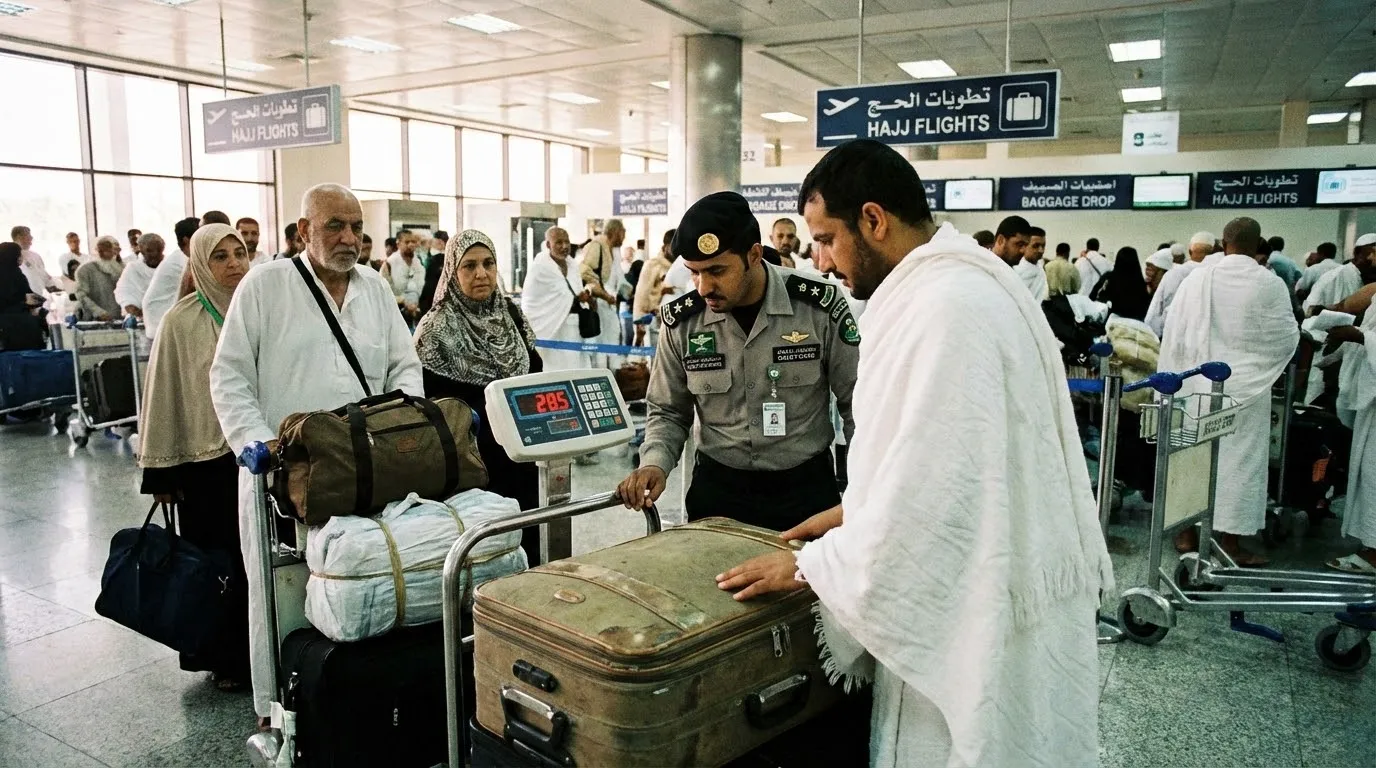
Even when flights operate, air travel remains out of reach for many. Sudden spikes in airfares during road closures make tickets unaffordable for students, labourers, small traders, and middle-class families. Patients seeking treatment outside the Valley face both uncertainty and financial strain.
Air connectivity, therefore, cannot be considered a dependable or inclusive solution. It collapses during severe weather and serves only a limited section of society. Treating it as a substitute for surface connectivity is both unrealistic and unjust.
Why Rail Connectivity Matters
Railways, unlike roads or airways, offer stability, capacity, and affordability. Across the world, rail networks serve as the backbone of connectivity in regions facing extreme weather. For Kashmir, a direct and regular train from Delhi to Srinagar would fundamentally change the logistical and economic landscape.
Trains can transport large volumes of essential goods—food grains, fuel, medicines, construction material—at stable costs. Properly designed and maintained rail tracks are less prone to closures due to landslides or snowfall. Trains remain accessible to a wider section of the population than flights.
More importantly, railways provide predictability. When people know a train will run regardless of moderate weather disruptions, planning becomes possible. Markets stabilise, supply chains remain intact, and panic-driven price hikes can be avoided.
The USBRL Project: Progress Without Purpose?
The Udhampur–Srinagar–Baramulla Rail Link (USBRL) project is one of the most ambitious infrastructure undertakings in the region’s history. Iconic structures like the Chenab Railway Bridge have been celebrated as engineering marvels. Officials routinely announce milestones, trial runs, and near-completion deadlines.
Yet, despite all progress, the core issue remains unresolved: Kashmir still does not have a direct, regular long-distance train connecting it to Delhi. Partial connectivity within the Valley or between short stretches does not solve the larger problem of winter isolation. The region needs a fully functional, all-season rail corridor integrated with the national railway network.
Infrastructure should be judged not by photographs of bridges or ceremonial inaugurations but by its utility to ordinary people. Until a resident of Srinagar can board a train and travel directly to Delhi—reliably and affordably—the project remains incomplete in spirit, if not on paper.
Economic Implications of Isolation
The economic cost of Kashmir’s recurring isolation is enormous. Tourism, one of the Valley’s primary sources of income, suffers heavily during connectivity disruptions. Cancellations, stranded tourists, and negative publicity discourage future travel, even after conditions improve.
Agriculture and horticulture—particularly the apple industry—also take a hit. Delays in transportation affect quality, reduce market value, and result in losses for farmers operating under already challenging conditions.
Small traders, daily wage earners, and transport workers face income uncertainty every time connectivity breaks down. A reliable rail link would mitigate many of these losses by ensuring continuity, even during adverse weather.
A Social and Human Dimension
Connectivity is not just an economic issue—it has a deeply human dimension. Thousands of students from Kashmir study across India. Every winter disruption turns travel into an ordeal. Patients requiring specialised treatment face uncertainty and financial strain. Families divided across regions are cut off for weeks. Emergency travel becomes a nightmare. Essential supplies and commodities are also affected, as Kashmir relies heavily on resources brought in from outside the region.
In a region already grappling with political and social challenges, such isolation deepens the sense of marginalisation. A direct Delhi–Srinagar train would not merely connect two cities; it would restore a sense of normalcy and dignity to everyday life.
Strategic and National Importance
From a strategic perspective, reliable rail connectivity is essential. Movement of supplies, personnel, and resources should not depend on a single vulnerable highway. A rail corridor enhances redundancy, resilience, and national preparedness. True integration is achieved not through slogans alone but through robust physical connectivity that works when it is needed most.
From Announcements to Accountability
Successive governments have spoken at length about improving connectivity to Kashmir. While investments have been made, outcomes remain inadequate. What is missing is urgency and accountability.
The question is no longer whether a direct train to Srinagar is feasible—it is whether the political will exists to prioritise its timely and full operationalisation. Delays, shifting deadlines, and half-measures only prolong the suffering of ordinary people.
Conclusion: A Test of Intent
Each winter that Kashmir is cut off serves as a reminder of unfinished promises. Snowfall is not an unforeseen disaster—it is a predictable seasonal reality. Governance and infrastructure planning must reflect this.
A direct, regular Delhi–Srinagar train service would address multiple challenges—economic, social, logistical, and strategic. It would reduce dependence on a fragile highway, ease pressure on air travel, stabilise markets, and provide ordinary citizens with a reliable lifeline.
The real question is not why Kashmir demands such connectivity. The real question is how long the region must continue to wait for what is both reasonable and necessary.
Until that train runs—regularly, reliably, and year-round—claims of seamless connectivity will remain incomplete, and winter isolation will continue to expose the gap between official assurances and ground reality.
(STRAIGHT TALK COMMUNICATIONS EXCLUSIVE. The author is a social activist, national TV debater, and columnist. Ideas expressed are his own and can be reached at ahmadayaz08@gmail.com)