

World Cancer Day: SKIMS Director highlights comprehensive cancer care, research advances & major infrastructure upgrades
STC NEWS DESK
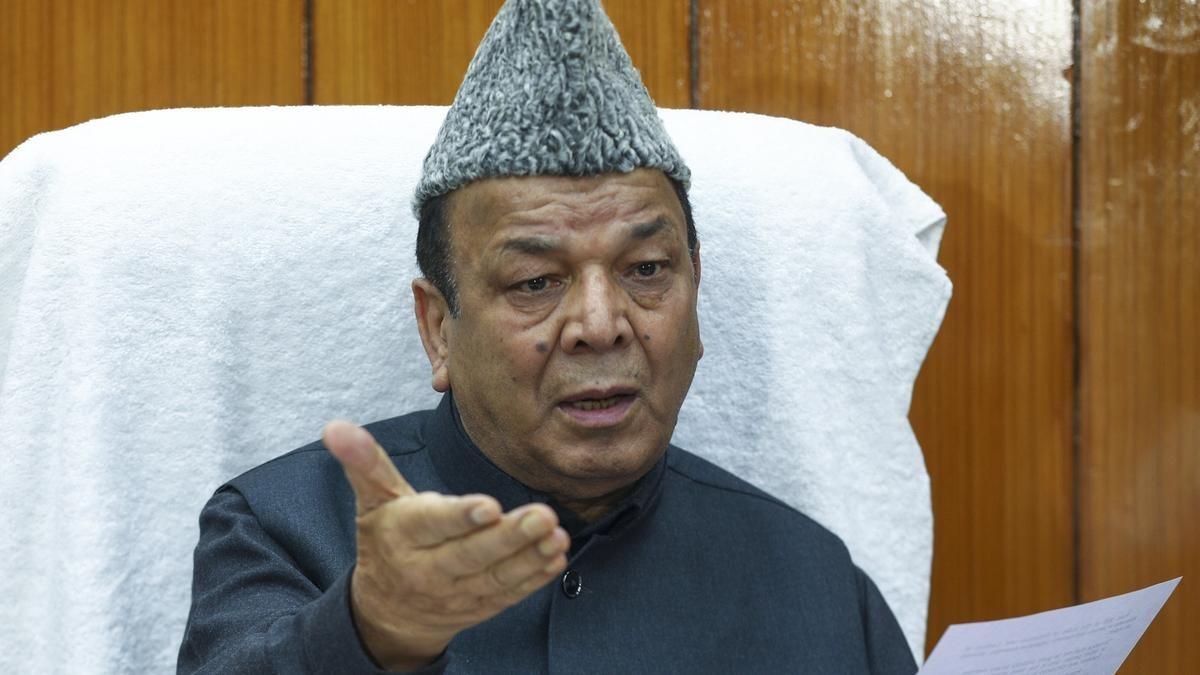
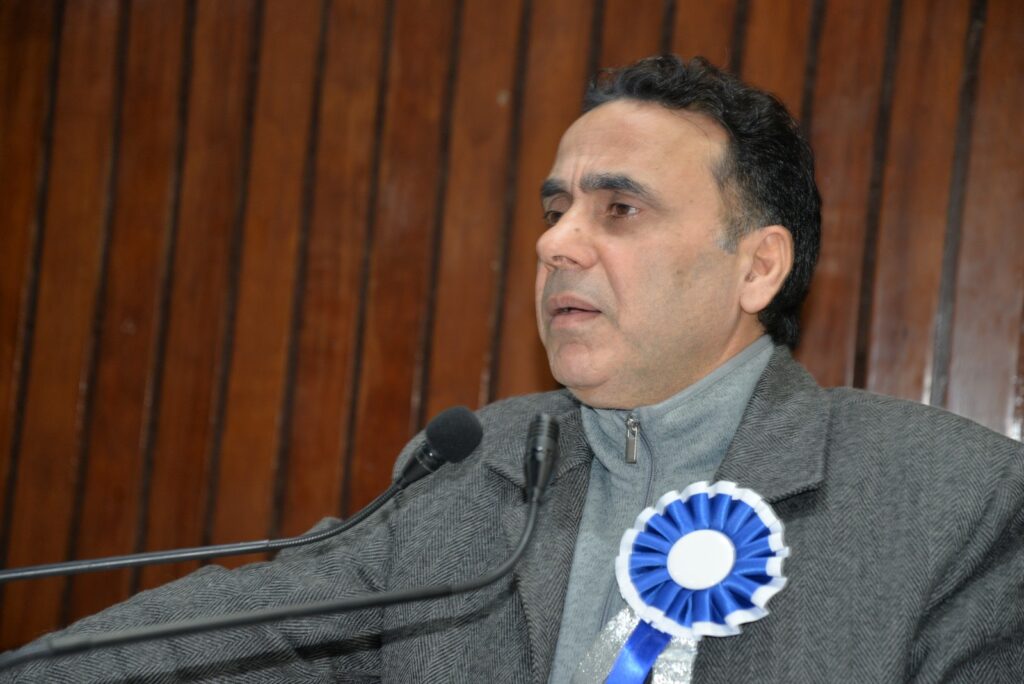
SRINAGAR, FEBRUARY 04 (STC): Sher-i-Kashmir Institute of Medical Sciences (SKIMS) has consolidated oncology services within a dedicated facility, ensuring integrated care through advanced radiotherapy and surgical oncology units, said Director SKIMS & EOSG, M. Ashraf Ganie, in his address to a day-long awareness programme commemorating World Cancer Day under this year’s global theme, “United by Unique”. The event was organised by the State Cancer Institute of the Institute.
He said key expansions include high-volume chemotherapy day-care services and improved patient accommodation facilities. He also highlighted advancements in stem cell transplantation, with successful procedures for leukaemia, multiple myeloma, and other benign and malignant conditions.
“SKIMS has also initiated Total Body Irradiation and haplo-identical stem cell transplantation for various complex diseases. The Pain and Palliative Care Unit was recognised as a compassionate, patient-centred initiative that enhances quality of life for terminally ill patients, including home-based palliative care services. Major infrastructure upgrades include procurement of a state-of-the-art Linear Accelerator, installation of a dedicated 4D-CT facility, establishment of Immunohistochemistry (IHC) marker laboratories, and other advanced diagnostic and therapeutic technologies. Further enhancements are underway as part of continuous development,” he said.
The Director noted that he is actively pursuing support from the Government of India to secure National Cancer Institute status for SKIMS, which would significantly strengthen oncology services in the region. He lauded the resilience of cancer survivors and caregivers, describing World Cancer Day as a celebration of collective efforts by doctors, nurses, pharmacists, and support staff. He stressed that cancer care extends beyond chemotherapy protocols and includes patient morale, discipline, and psychological strength. Early detection, screening, and modern treatment, he said, have transformed outcomes.
Emphasising prevention, the Director advocated lifestyle modification and large-scale awareness campaigns as cost-effective strategies, particularly in low- and middle-income regions facing a dual burden of cancer and other non-communicable diseases. He underscored the importance of research in identifying emerging risk factors.
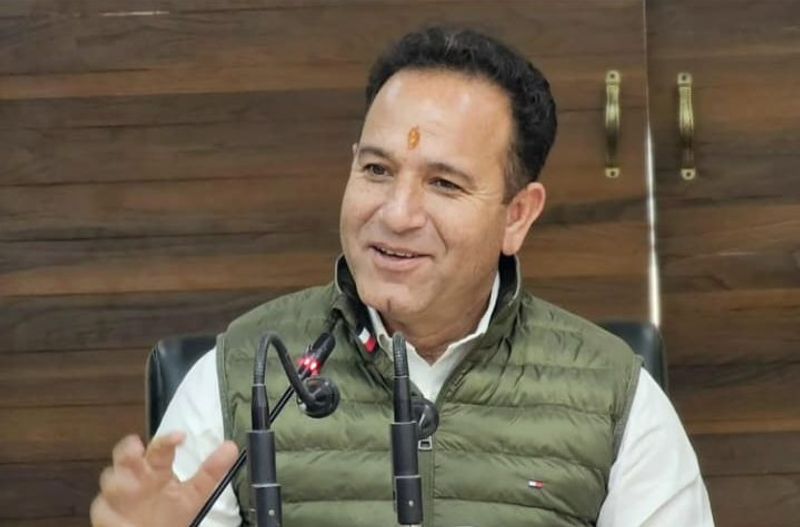
Dean Medical Faculty, Showkat Ahmad Gurcoo, stated that evolving cancer trends reflect lifestyle influences and cautioned that exaggerated statistics in media can create unnecessary panic, which can be addressed through responsible awareness initiatives.
Experts delivered talks on gynaecological cancers in Kashmir, preventive strategies for common cancers, and the changing cancer spectrum over the past decade. Environmental toxins, pollution, food adulteration, and sedentary lifestyles were identified as contributing factors.
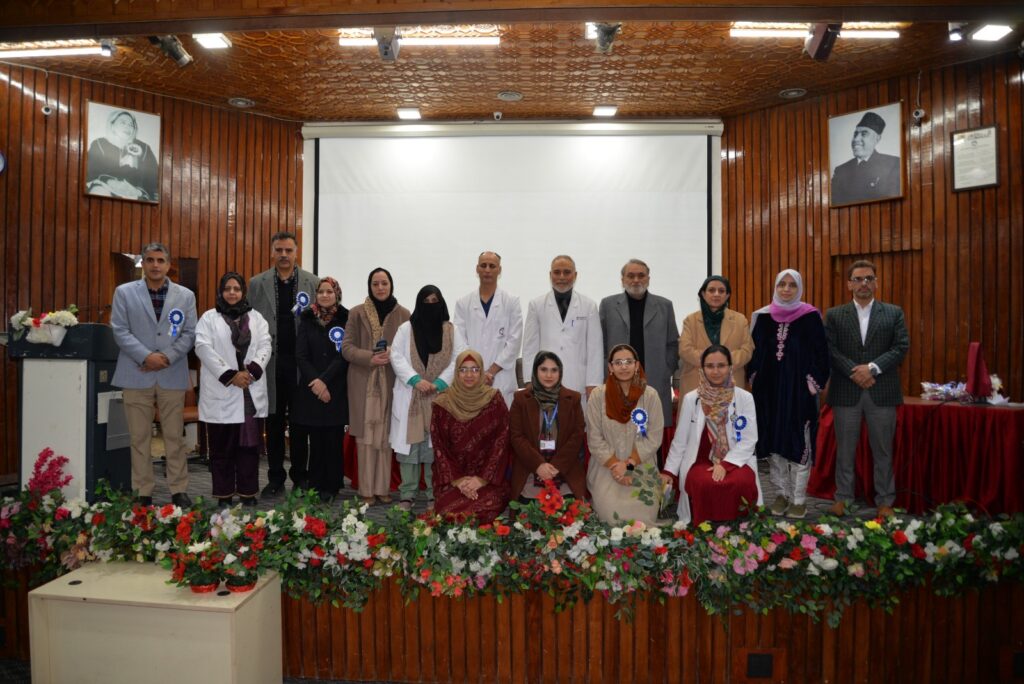
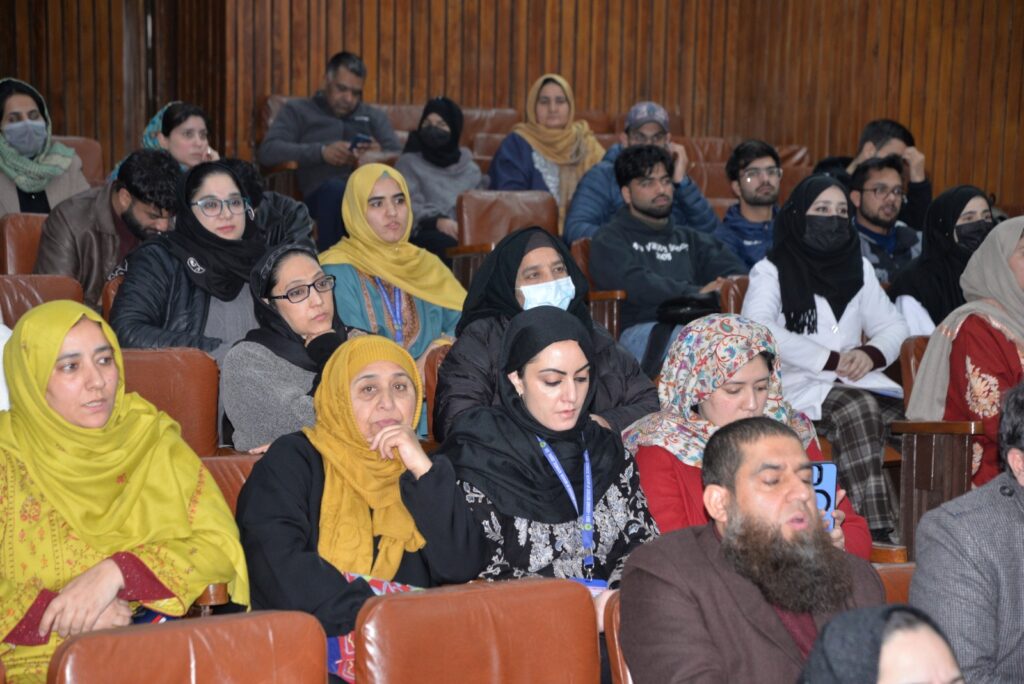
Former Head of General Surgery and Nodal Officer SCI, Aijaz A. Mallik, Guest of Honour, appreciated the SKIMS administration for its continued support and acknowledged the Director’s leadership.Senior faculty speakers included Dr. Malik Tariq Rasool (Radiation Oncology), Dr. Syed Nisar Ahmad (Medical Oncology), Prof. G.H. Yatoo, Dr. Javed Ahmad, Dr. Shahida Nasreen, Dr. Mir Hussain, Dr. Ulfat Ara Wani, and Dr. Ashfaq Ahmad.The programme witnessed active participation from faculty, scholars, students, and administrative heads across departments/ sections.
Meanwhile, the event highlighted the Institute’s expanding spectrum of cancer care, research progress, and ongoing infrastructure upgradation aimed at strengthening cancer management across the region. The programme focused on public awareness, early detection, prevention, and inspiring survivor stories reflecting courage and resilience.
Experts also traced the evolution of cancer care services at SCI SKIMS, from advanced diagnostics to cutting-edge treatment modalities.
The Head of Radiation Oncology presented data from the SKIMS Hospital-Based Cancer Registry and the Population-Based Cancer Registry (PBCR), operational since 2018. The data indicates a slow but steady rise in cancer cases. SKIMS caters to more than 50% of cancer patients from the Union Territories of Jammu & Kashmir and Ladakh.
Notably, as per Institute’s statement, over the past decade, SKIMS has treated more than 50,000 cancer patients from Kashmir, Jammu, and Ladakh regions. In 2025 alone, over 5,700 cancer patients received treatment at the institute. Population-based data revealed that in the last eight years, over 60,000 cancer cases were diagnosed across ten districts of Kashmir, with approximately 16,000 deaths reported — suggesting improved survival outcomes.
Five-year survival rates of cancer patients at SKIMS have exceeded 40%, attributed to early disease presentation, timely diagnosis, improved access to healthcare, and advanced treatment facilities.In terms of disease burden, lung cancer remains the most common malignancy among men, while breast cancer is predominant among women. Other major cancers in men include stomach, oesophagus, colon, and prostate, whereas women commonly present with thyroid, ovarian, oesophageal, and stomach cancers. Overall, cancer incidence remains higher in males than females in J&K.Medical oncologists emphasized that improving survival trends reflect advances in treatment and awareness, reiterating that cancer should be regarded like other non-communicable diseases and not as a “death sentence.”
(Straight Talk Communications)