



DATELINE: Kya Desh Badal Raha Hai?

It hinges on collective action. Policymakers, civil society, and citizens must bridge gaps to transform safety from aspiration to everyday reality.
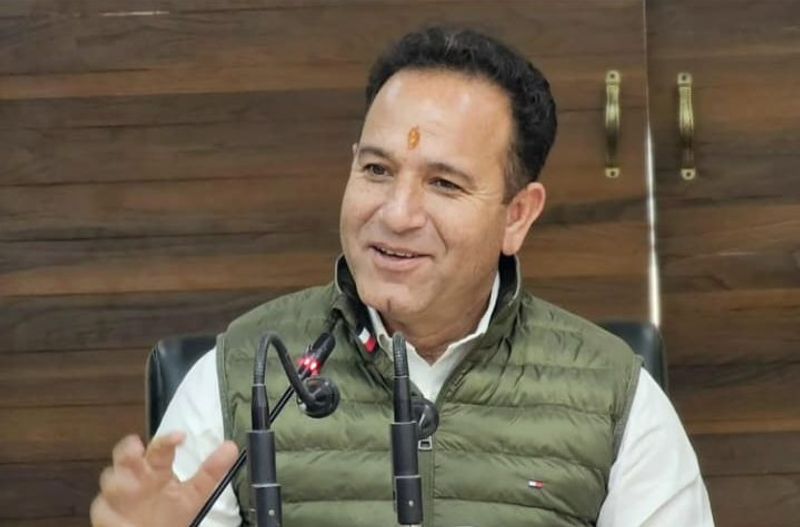
Peerzada Masarat Shah
In the bustling streets of India’s megacities, a haunting question echoes through conversations, social media feeds, and family dinners: Kya desh badal raha hai? — Is the country really changing? This query, laden with anxiety and introspection, surfaces amid a surge in reports of kidnappings, missing persons, and escalating crime rates. For millions, it’s not just rhetoric; it’s a reflection of a society grappling with safety concerns that seem to intensify by the day.
Recent headlines paint a grim picture. In Delhi alone, alarming statistics reveal hundreds of individuals vanishing in short spans, eroding public faith in law and order. These numbers transcend cold data — each case embodies shattered families, endless vigils, and a collective unease about systemic failures. Citizens demand swifter, more decisive action from authorities, amid perceptions that criminals are growing bolder, more coordinated, and tech-savvy. Yet, experts caution that not all disappearances stem from malice; many involve elopements, domestic conflicts, or voluntary migrations. The real scourge, however, lies in persistent threats like human trafficking and organized syndicates that prey on the vulnerable.
Popular culture amplifies these fears, often blurring the line between fiction and fact. Take the 2014 Bollywood thriller Mardaani, starring Rani Mukerji as a relentless cop battling child trafficking rings. Drawing from real-world patterns, the film exposed the shadowy underbelly of cross-city crime networks targeting young girls. Its release sparked widespread discourse, heightening vigilance while fueling paranoia. Social media erupted with theories linking reel-life plots to actual incidents, underscoring how entertainment shapes societal perceptions. But as criminologists note, reality is multifaceted — films like Mardaani raise awareness, yet they risk oversimplifying complex issues.
The digital age has transformed how we perceive crime. What once remained confined to local whispers now explodes into national outrage via platforms like X (formerly Twitter) and Instagram. A single missing person’s poster can go viral, mobilizing support but also spreading misinformation and panic. This hyper-connectivity fosters a sense that danger lurks everywhere, even as long-term data presents a nuanced view: some crime rates have dipped due to better policing, while others, like cyber-enabled offenses, have spiked.
Beneath the surface, broader societal shifts exacerbate these vulnerabilities. India’s rapid urbanization has upended traditional family dynamics, with youth flocking to urban centers for education and employment. Economic disparities, joblessness, online radicalization, and isolation make groups like women, children, and migrants easy targets for exploiters. Criminal enterprises, increasingly digitized, exploit fake identities and encrypted channels, complicating investigations for an already stretched police force.
Public trust in law enforcement hangs in the balance. Frustration mounts over unresolved cases, yet officers face unprecedented challenges: interstate operations, digital trails, and resource constraints. As one senior Delhi Police official told this reporter, “Crime isn’t just on the streets anymore; it’s in the shadows of the internet.” Reforms, including advanced forensics and community policing, show promise, but implementation lags.
So, is India changing? Unequivocally yes — but in divergent ways. Crime evolves with technology, public awareness surges, and voices for justice grow louder. Yet anxiety persists, testing the nation’s resolve. True progress isn’t measured solely by gleaming infrastructure or economic growth; it’s defined by secure communities, equitable justice, cutting-edge policing, and robust victim support.
The answer to Kya desh badal raha hai? hinges on collective action. Policymakers, civil society, and citizens must bridge gaps to transform safety from aspiration to everyday reality. Only then can India reclaim its narrative of hope over fear.
(STRAIGHT TALK COMMUNICATIONS EXCLUSIVE)