



Locked Consultation Rooms: How Patients Struggle Across Kashmir’s GMCs and Associated Hospitals
How extended leaves disrupt care, overburden staff, and expose systemic gaps in Kashmir’s public hospitals
Gowher Bhat
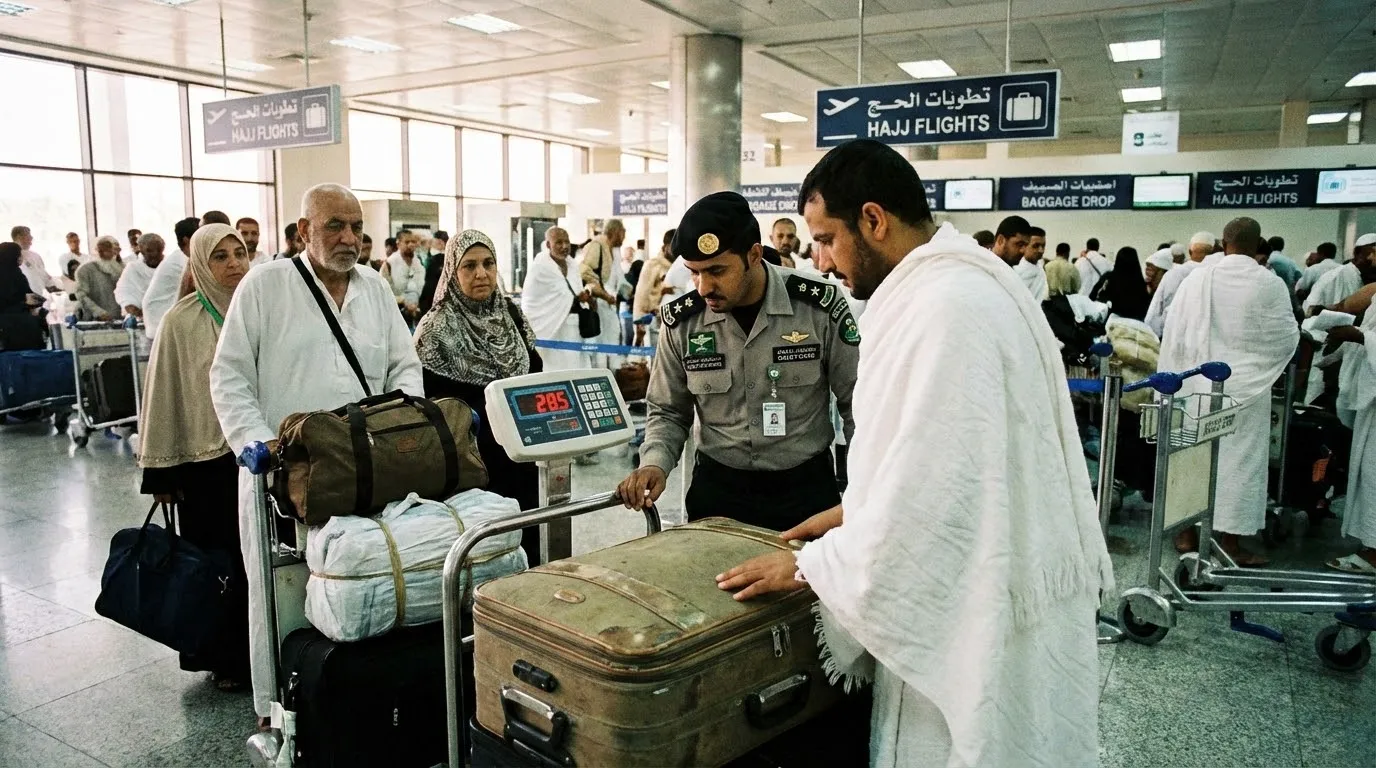
In Kashmir, thousands of patients travel hours from remote villages and towns, clutching prescriptions, medical reports, and fragile hope, only to find consultation rooms locked and doctors absent. For families seeking specialized care at Government Medical Colleges and their associated hospitals, these institutions are often the only path to treatment. Yet long seasonal vacations for medical staff leave critical departments understaffed, services delayed, and patients stranded. Fever, vomiting, cardiac issues, or chronic conditions do not wait, but the system sometimes seems to pause.
The scale of reliance on these institutions is substantial. In January 2026 alone, associated hospitals under Government Medical College Srinagar treated 229,684 patients, including 207,137 in outpatient departments and 22,547 admissions. At SMHS Hospital, 93,460 outpatients sought consultations while 11,595 patients required admission during the same month. Lalla Ded Hospital recorded 18,302 outpatient visits and 3,135 admissions. Children’s Hospital handled 37,290 outpatient visits and admitted 2,249 children. These numbers represent just one month of activity.
Even during periods when multiple doctors are on leave, hospital work does not slow. In January alone, associated hospitals performed 5,541 surgeries, including 3,021 major and 2,520 minor procedures. SMHS Hospital conducted 852 major and 980 minor surgeries, while Lalla Ded Hospital carried out 1,204 major and 474 minor procedures. In addition, SMHS processed 22,775 laboratory investigations during the same month, reflecting the intensity of ongoing clinical activity.
While doctors’ leave is lawful and essential for rest and recuperation, current scheduling practices often compromise patient access. When multiple consultants, senior residents, and postgraduate doctors are away simultaneously, departments struggle to maintain normal operations, creating tangible consequences for patients, attendants, and the medical professionals who remain on duty.
Patients describe immediate hardships. Many travel long distances, lose daily wages, and spend limited savings on transportation, only to find the required specialist unavailable. A patient from Kupwara visiting GMC Baramulla said,
“We traveled from Kupwara to Baramulla with my elderly father. The specialist was on leave, and we had no information about when they would return. We now have to either wait or return later. Multiple trips are exhausting and expensive.”
A mother from Bandipora visiting GMC Srinagar described a similar experience,
“My child had a high fever with persistent vomiting all night. We left before sunrise to reach the hospital. No doctor was available. We had to return home without consultation.”
Such accounts are not isolated. During peak leave periods, high-demand departments including Medicine, Surgery, Geriatrics, Dermatology, ENT, and Pathology experience simultaneous absences, leaving limited staff to manage heavy patient inflow.
The cumulative burden on public healthcare institutions is equally striking. Up to January 2026, associated hospitals under Government Medical College Srinagar have treated 2,418,357 outpatients and admitted 224,181 inpatients, bringing the combined total to 2,642,538 patients. These figures illustrate the scale of public dependence on government healthcare facilities.
Doctors who remain on duty describe escalating workload and stress. A senior physician at GMC Srinagar explained,
“When a large portion of the department is on leave, we must handle far more patients than usual. We try to give proper attention, but time per patient decreases and fatigue increases.”
Nurses and support staff face similar strain. A senior nurse at SMHS Hospital noted,
“With fewer doctors available, we coordinate patient care and manage anxious attendants. The pressure affects everyone.”
Addressing the issue does not require denying doctors their rightful leave. Instead, it calls for structured planning and administrative foresight. Rotational scheduling, where departments stagger leave to maintain partial availability, could ensure continuity. Dividing long leave periods into shorter segments may prevent operational disruption. Temporary staffing, visiting consultants, or cross-institutional coordination during predictable absence periods could further stabilize services.
Crucially, long-term solutions must include recruitment of additional medical staff. With more than 229,000 patients treated in a single month and over 2.6 million served cumulatively, expanding the number of specialists, senior residents, and nursing personnel would reduce pressure on existing staff and improve continuity of care. Strengthening manpower through timely recruitment would help prevent consultation rooms from remaining closed during foreseeable leave periods.
Data-informed planning based on historical patient volumes would also help align staffing with demand, ensuring that high-burden departments are adequately covered throughout the year.
At its core, the issue is one of balance. Hospitals must ensure continuous access to care while protecting the well-being of medical professionals. Both patients and caregivers are essential pillars of the healthcare system, and neither should bear the cost of avoidable administrative gaps.
Kashmir’s public hospitals serve hundreds of thousands of patients every month and millions cumulatively. Ensuring consultation rooms remain functional, even during leave periods, is central to maintaining public trust. With structured scheduling, expanded recruitment, strategic staffing, and responsive governance, these institutions can strengthen continuity of care while safeguarding staff welfare.
For patients who wake before dawn and travel miles in hope, healthcare is not a statistic. It is dignity.
(Straight Talk Communications)