


When Distant Wars Enter Our Homes
The Ripple Impact of Gulf Conflict on the Global Economy and Where We Stand
Anil Kumar Sharma
“A war may begin in a distant desert, but its shadow walks quietly into every home.”
The last few days have been demanding and challenging for all of us. They have reminded me, in a very personal way, that there are moments in life when everything feels fragile. You wake up to news of conflict, war, tragedy, or chaos. Even if it is unfolding far away, perhaps only on a screen, it slowly seeps into your system. The plans you were making just yesterday about work, about a holiday, about routine life suddenly appear less certain, almost insignificant. The chaos outside has a way of unsettling our inner world. It brings us face to face with a quiet truth that we often ignore how little control we actually have.
And yet, perhaps, that is where clarity begins. In such moments, we are gently reminded to return to what we can control our response, our balance, and our faith that difficult times do pass.
It is in this larger emotional and human context that we must understand the economic impact of conflicts in the Gulf region. The lessons are not new. The Gulf War had already shown the world how deeply interconnected economies had become. A conflict in one region had led to rising oil prices, inflation, and economic stress across continents. What appeared distant had quickly become personal.
Today, that interconnectedness has only deepened. Nearly 20 percent of the world’s oil supply passes through the Strait of Hormuz. It is a narrow passage, but its significance is immense. Any disruption here directly affects global energy flow. And when energy supply tightens, the impact is immediate fuel prices rise, transportation becomes expensive, and the cost of essential goods begins to climb.
For India, this is not an abstract concern. Our dependence on energy imports from this region means that instability translates quickly into economic pressure at home. Fuel affects everything. It powers industries, drives transportation, supports agriculture, and sustains households. When its cost rises, the effect is felt across every layer of society.
The ripple does not stop there. Fertiliser production depends heavily on energy inputs. Power generation is closely linked to fuel availability. Even household cooking energy flows through this chain. A disruption in one corridor begins to influence multiple sectors, making inflation not just a statistic but a daily experience.
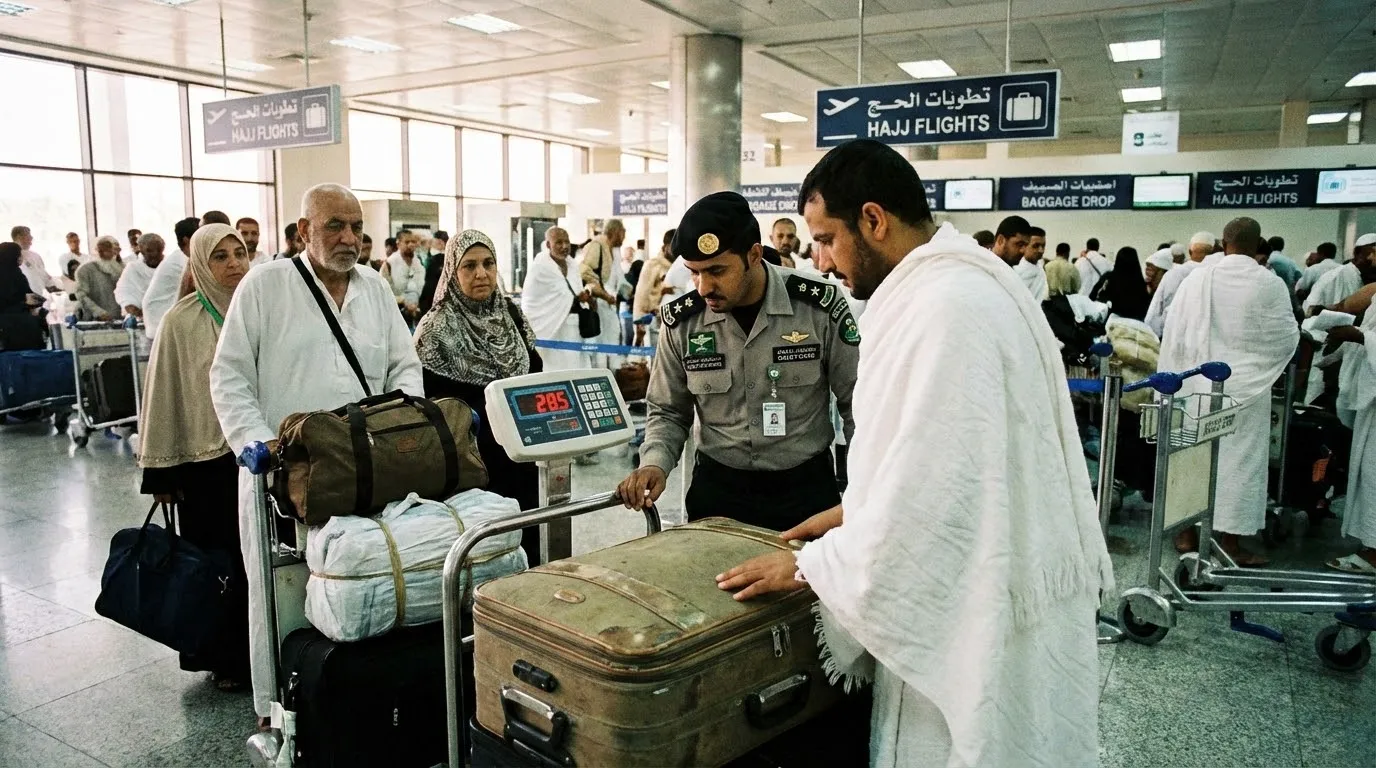
There is also a deeply human dimension to this connection. Around nine million Indians live and work in the Gulf region. They are an integral part of those economies and an equally vital support system for families back home. Their annual remittances are estimated to be in the range of 80 to 90 billion US dollars, contributing nearly 25 to 30 percent of India’s total inward remittances. These figures represent more than economic strength. They reflect relationships, responsibilities, and aspirations carried across borders.
In times of uncertainty, when conflict disrupts normal life, these flows become vulnerable. Employment concerns, movement restrictions, and economic slowdown in host countries can reduce remittances. The impact is often silent but deeply felt in households that depend on this income.
India continues to remain, in many ways, rooted in agriculture, with nearly 70 percent of its population directly or indirectly dependent on it. Rising fuel and fertiliser costs therefore strike at the very foundation of rural life. This is not a challenge unique to India alone. Many emerging Asian economies share similar structures, and they too feel the strain when global energy supply is disrupted.
Financial markets, as always, respond quickly to uncertainty. Investments slow, capital seeks safer destinations, currencies fluctuate, and growth becomes cautious. What begins as a geopolitical event gradually turns into an economic reality affecting nations and individuals alike.
Yet, within these challenges lies a quiet shift. Such moments compel nations to think long term. Energy security, diversification, and investment in alternative sources become priorities. What begins as disruption often becomes a catalyst for resilience.
For me, however, beyond the numbers and analysis, the strongest feeling over the past few days has been one of gratitude. Gratitude for stability, for routine, for the ordinary moments we often overlook. And alongside that, a quiet faith that no matter how uncertain things appear, balance does return.
The world has seen far greater crises in the past. Humanity has endured world wars, economic collapses, and global disruptions. Each time, it has found a way forward. Perhaps that is the enduring strength of human civilisation not the absence of crisis, but the ability to move through it.
As we reflect on where we stand today, one truth becomes clear. We are more connected than ever before, and therefore more sensitive to each other’s disturbances. But we are also more aware, more prepared, and more capable of adapting.
In the end, while we may not control the conflicts that arise in distant regions, we can control how we respond to them both as individuals and as nations. We can build resilience, strengthen our systems, and hold on to perspective.
Because the lesson is both simple and profound. No crisis is permanent.
This too shall pass.
“The fire may burn in one corner of the world,
but its warmth or its ash eventually reaches every doorstep.”
(STRAIGHT TALK COMMUNICATIONS EXCLUSIVE. The author is Columnist I Former Banker | Social Commentator. anil.kumar.sharma9419@gmail.com)