



FRIDAY SERMON: IMPORTANCE OF RELATIONSHIPS AND HUMAN CONNECTIONS
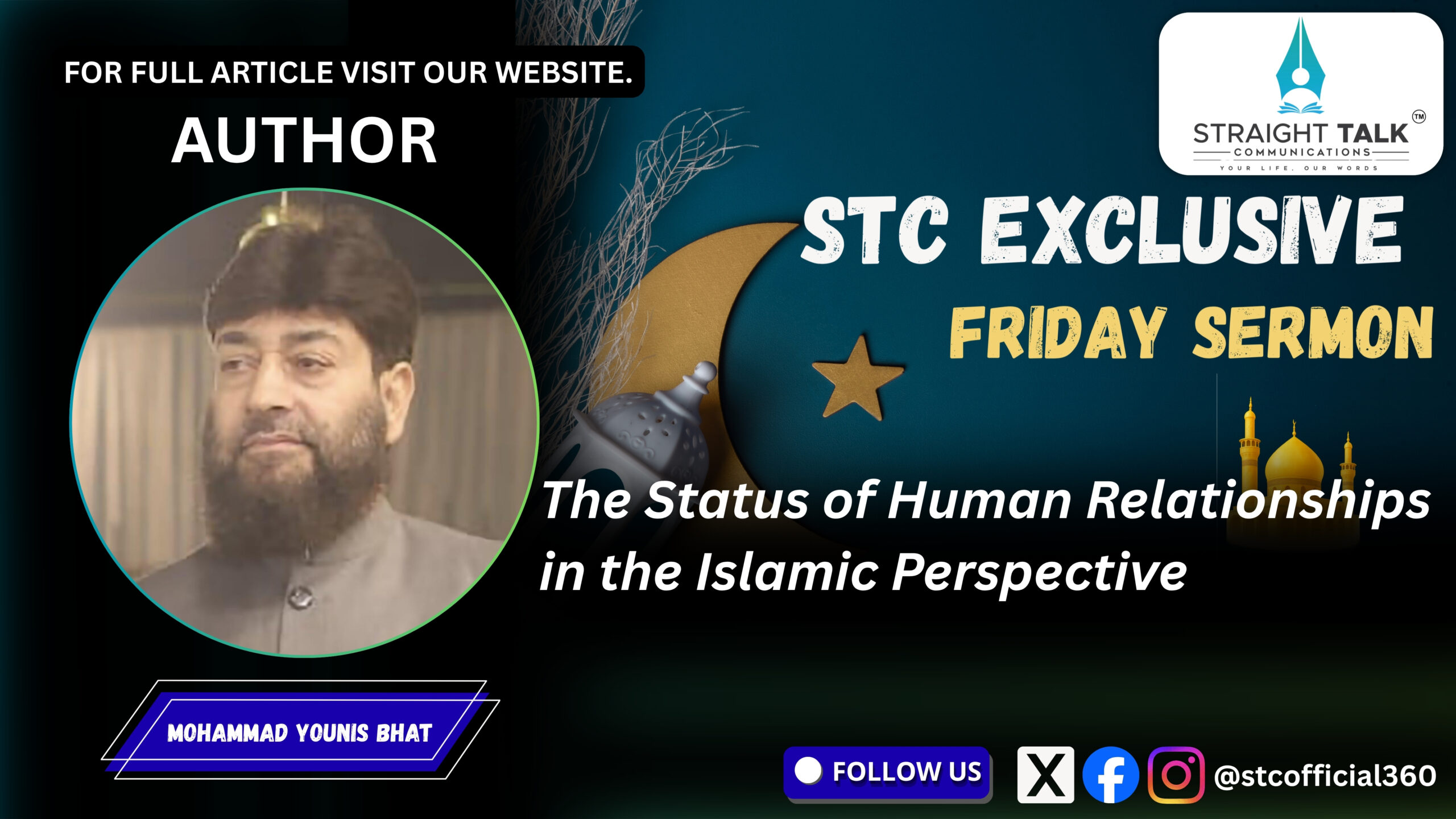
The Status of Human Relationships in the Islamic Perspective
Mohammad Younis Bhat
All praise is due to Allah, Lord of the worlds peace and blessings be upon the Leader of all prophets and Messenger, upon his family and Companions.
Human life is not merely about breathing and surviving; rather, it is a beautiful combination of relationships, emotions, love, and mutual connections. Allah Almighty did not create mankind to live in isolation. Instead, He connected human beings through different relationships to form a complete and balanced society. These relationships become the source of identity, peace, moral training, and character building.
Islam is the religion that clearly defines the rights, dignity, and etiquette of every relationship so that society may become a center of love, respect, mercy, and brotherhood.
The Holy Qur’an and the sayings of Prophet Muhammad ﷺ repeatedly emphasize maintaining relationships, fulfilling the rights of others, and living with kindness and compassion. In today’s world, where materialism, selfishness, and busy lifestyles are weakening family ties, understanding the value of relationships has become more important than ever.
1. Relationship with Parents
The most sacred and honorable relationship in this world is the relationship with parents. Islam commands kindness towards parents immediately after the worship of Allah.
Holy Qur’an
“Your Lord has decreed that you worship none but Him, and that you show kindness to your parents.”
(Surah Al-Isra 17:23)
A mother sacrifices her comfort, sleep, and desires to raise her children, while a father struggles and works hard to provide for the family. Speaking gently to parents, serving them, respecting them, and obeying them are signs of noble character.
Hadith
A man asked the Prophet ﷺ:
“Who deserves my best companionship?”
The Prophet ﷺ replied: “Your mother.”
He asked again, and again the Prophet ﷺ said: “Your mother.”
The third time he again replied: “Your mother.”
Then he said: “Your father.”
(Sahih Bukhari, Sahih Muslim)
A person who honors his parents receives blessings in life from Allah Almighty.
2. Relationship Between Brothers and Sisters
The relationship between siblings is built upon love, protection, trust, and support. Childhood memories, shared joys and sorrows, and standing beside one another make this bond very special.
Holy Qur’an
“Indeed, the believers are brothers to one another.”
(Surah Al-Hujurat 49:10)
Islam teaches patience, unity, and mutual respect among siblings. Jealousy, hatred, and constant arguments weaken relationships, while forgiveness and love strengthen them.
Hadith
“A Muslim is the brother of another Muslim; he neither oppresses him nor abandons him.”
(Sahih Muslim)
3. Relationship with Grandparents and Elders
Elders are a source of mercy within the family. Their experience, prayers, wisdom, and affection bring peace and blessings into the home. Islam considers respect for elders as part of faith.
Hadith
“He is not one of us who does not show mercy to our young and respect to our elders.”
(Jami‘ At-Tirmidhi)
A home that honors its elders is filled with blessings and mercy.
4. Relationship with Sons and Daughters
Children are a blessing and trust from Allah Almighty. Islam describes daughters as mercy and sons as responsibility. Parents are responsible for the moral, religious, and ethical upbringing of their children.
Holy Qur’an
“Wealth and children are the adornment of worldly life.”
(Surah Al-Kahf 18:46)
Hadith
“Whoever raises two daughters with kindness and proper upbringing will be with me on the Day of Judgment like this.”
The Prophet ﷺ joined his two fingers together.
(Sahih Muslim)
Treating daughters with love and dignity is a means of entering Paradise.
5. Relationship Between Husband and Wife
The relationship between husband and wife is one of the most beautiful and delicate relationships in the world. It is not merely a connection between two individuals; rather, it is a bond built upon trust, love, sacrifice, loyalty, and peace — a bond upon which the entire family structure stands. When this relationship is strong, the home becomes like Paradise; and when it weakens, the entire family suffers.
Islam describes husband and wife as garments for one another, meaning they are a source of comfort, protection, dignity, and peace for each other.
Holy Qur’an
“They are garments for you and you are garments for them.”
(Surah Al-Baqarah 2:187)
Holy Qur’an
“And among His signs is that He created for you spouses from among yourselves so that you may find peace in them, and He placed between you love and mercy.”
(Surah Ar-Rum 30:21)
Marriage is built upon complete trust. Along with love, patience, understanding, wisdom, and mutual respect are essential for a successful relationship. Disagreements are natural in life, but wise people resolve them with calmness, patience, and compassion rather than anger.
A husband should treat his wife with kindness, love, and respect, while a wife should value loyalty, dignity, and the peace of the household.
Hadith
“The best among you are those who are best to their families, and I am the best among you to my family.”
(Jami‘ At-Tirmidhi)
A successful marriage is one where love replaces ego, trust replaces suspicion, and forgiveness replaces anger. When husband and wife protect each other’s weaknesses, appreciate each other’s strengths, and stand beside one another in every situation, this bond becomes the strongest support in life.
6. Relationships with Relatives
(Uncles, Aunts, Maternal and Paternal Relatives)
These relationships strengthen the family structure. Islam strongly emphasizes maintaining family ties (Silat-ur-Rahm).
Holy Qur’an
“And give relatives their due rights.”
(Surah Ar-Rum 30:38)
Love, support, care, and maintaining contact with relatives create unity within society.
Hadith
“Whoever wishes that his provision be increased and his life be blessed should maintain ties of kinship.”
(Sahih Bukhari)
7. Relationship with In-Laws
Islam teaches that parents-in-law should be treated with respect similar to one’s own parents. Marriage is not merely the union of two individuals but the connection of two families.
Holy Qur’an
“And among His signs is that He created for you spouses from among yourselves so that you may find peace in them, and He placed between you love and mercy.”
(Surah Ar-Rum 30:21)
Patience, respect, wisdom, and good manners strengthen these relationships. If everyone focuses more on fulfilling the rights of others rather than demanding their own rights, family life can become a reflection of Paradise.
8. Relationship with Friends
Friends deeply influence a person’s character and behavior. A good friend encourages righteousness, truthfulness, and goodness.
Hadith
“A person follows the religion of his close friend, so let each of you be careful whom he befriends.”
(Sunan Abu Dawood)
Good companionship becomes a source of success in both this world and the Hereafter.
9. Relationship Between Teacher and Student
A teacher holds the position of a spiritual parent. One who teaches knowledge actually shapes generations.
Hadith
“The best among you are those who learn the Qur’an and teach it.”
(Sahih Bukhari)
Students should show respect and attentiveness toward their teachers, while teachers should educate with sincerity and compassion.
10. Relationship Between Employer and Employee
Islam teaches justice, honesty, and mercy. Employers should deal kindly and fairly with their workers, while employees should work with honesty and responsibility.
Holy Qur’an
“Indeed, Allah commands justice and excellence.”
(Surah An-Nahl 16:90)
Hadith
“Pay the worker his wages before his sweat dries.”
(Sunan Ibn Majah)
11. Relationship Between Ruler and Citizens
According to Islamic teachings, a ruler is a servant of the people. Justice, honesty, and public service are the qualities of a good leader.
Holy Qur’an
“Indeed, Allah commands you to render trusts to whom they are due and when you judge between people, judge with justice.”
(Surah An-Nisa 4:58)
Hadith
“Every one of you is a shepherd, and every one of you will be questioned about those under his care.”
(Sahih Bukhari)
Similarly, citizens are responsible for maintaining peace and respecting lawful order.
12. Relationship with Neighbors
Islam places great importance on the rights of neighbors.
Hadith
“Angel Jibreel continued advising me regarding neighbors until I thought he would make them heirs.”
(Sahih Bukhari)
A good neighbor cares about the comfort, dignity, and needs of those living nearby.
Another Hadith
“He is not a true believer whose neighbor is not safe from his harm.”
(Sahih Muslim)
13. The Importance of Human Rights (Huquq-ul-Ibad)
In Islam, fulfilling the rights of people is extremely important. Prayer, fasting, and worship alone are not sufficient if a person violates the rights of others.
Every relationship has its own rights and responsibilities:
Parents deserve service and obedience
Children deserve proper upbringing
Relatives deserve maintained ties
Friends deserve loyalty
Neighbors deserve kindness
Employees deserve justice
Hadith
The Prophet ﷺ said:
“The bankrupt person from my nation is the one who will come on the Day of Judgment with prayers, fasting, and charity, but he had insulted others, oppressed others, and harmed people. His good deeds will then be distributed among them.”
(Sahih Muslim)
Islam aims to make a person not only religious but also humane and morally upright.
14. Relationship with Unknown People
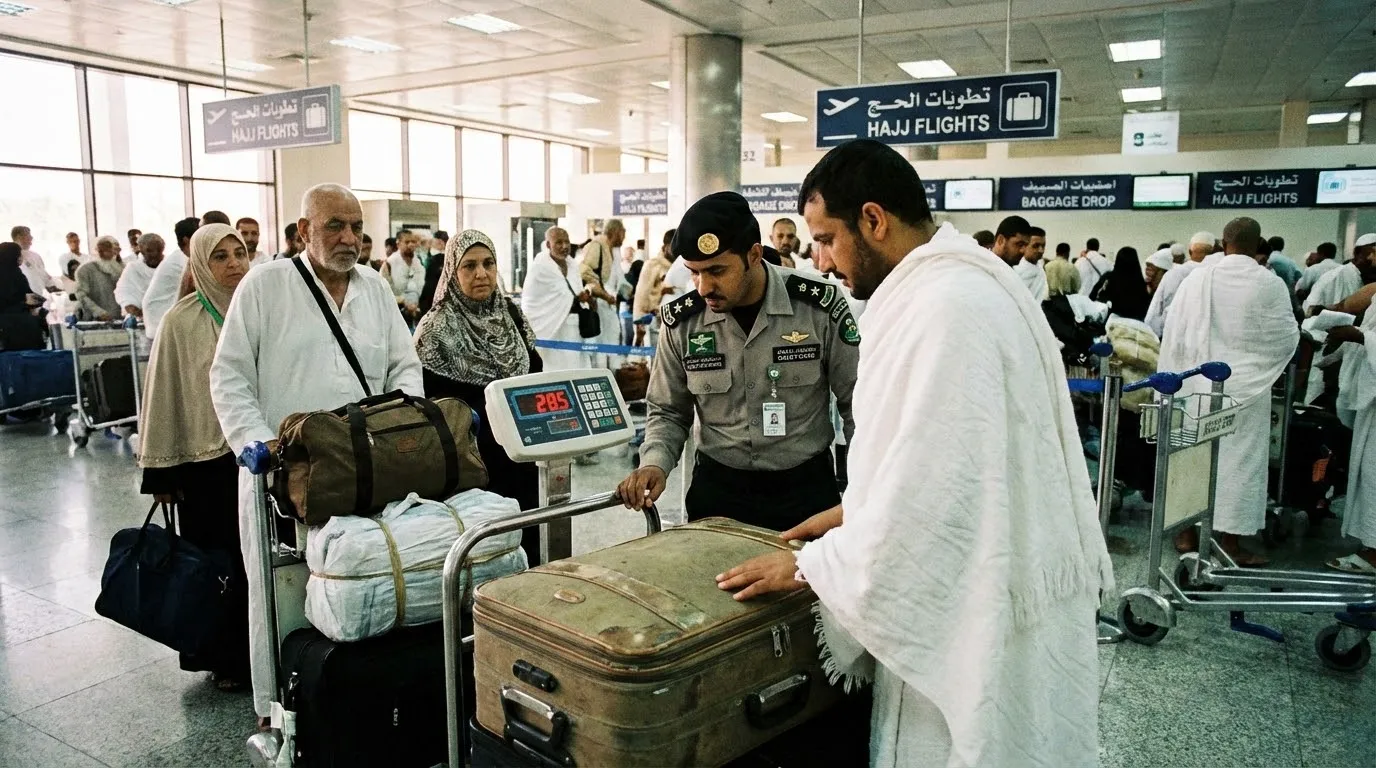
Islam does not teach good behavior only with those whom we know, but it also teaches brotherhood and kindness towards unknown people. During Hajj, Muslims from all over the world may not know each other personally, yet they show love, cooperation, and service to one another on the basis of Islamic brotherhood and religious unity. This shows that in Islam every Muslim is considered a brother to another Muslim, and we should maintain good relations even with people we do not know.
15. Relationship with Non-Muslims
In Islam, relationships are not limited only to Muslims; the relationship of humanity is also very important. We are taught to behave with kindness, sympathy, and good manners towards non-Muslims as well. Allah Almighty has honored all human beings so that they may help one another and live with peace and compassion. Therefore, Islam also encourages maintaining good relations with non-Muslims and fulfilling their rights on the basis of humanity.
16. Even with Enemies, There Is a Relationship
Islam teaches justice and morality even in enmity. Hatred should never make a person lose humanity.
“Even in enmity, behave in such a way that if one day you must meet again, you still have the courage to look each other in the eye.”
Holy Qur’an
“Do not let the hatred of a people lead you to injustice. Be just; that is closer to righteousness.”
(Surah Al-Ma’idah 5:8)
Holy Qur’an
“Repel evil with what is best, and then the one between whom and you was enmity may become as though he were a close friend.”
(Surah Fussilat 41:34)
This is the beauty of Islam: it prevents people from falling into hatred, revenge, and oppression.
How Should Relationships Be Maintained?
Before homes and societies fall apart, it is extremely important to understand how relationships are preserved. The reality is that every relationship requires sacrifice. No bond becomes strong merely through words; it survives through patience, sincerity, love, and understanding.
Some relationships survive through tolerance,
Some through ignoring small mistakes,
Some through taking the first step toward reconciliation,
And some by letting go of ego and pride.
If every person only values their own ego, stubbornness, and self-interest, relationships begin to weaken. But where forgiveness, humility, compassion, and kindness exist, even broken hearts can heal.
Relationships flourish through time, attention, respect, and emotional understanding. The person who understands the feelings of others, overlooks minor issues, and strives to maintain bonds is truly successful.
Islam teaches us to choose love over hatred, connection over separation, and humility over arrogance.
“Only the maker knows the true value of clay pots, not the ones who break them.”
Being wrong and proving yourself right are not difficult.
The moment one becomes truly right, proving oneself right becomes unnecessary.
Conclusion
Relationships are among the greatest blessings of Allah Almighty. They make life beautiful, balanced, and peaceful. If people nurture their relationships with love, respect, patience, forgiveness, and sincerity, not only does their personal life improve, but society as a whole becomes a place of peace and harmony.
Today, more than ever, we need to give time to our relationships, understand the rights of others, and live according to the teachings of the Qur’an and Sunnah. Strong relationships are the foundation of strong families, and strong families are the foundation of a strong society.
And Allah knows best
(STRAIGHT TALK COMMUNICATIONS EXCLUSIVE)
Well explained in the Islamic perspective, the author has not only touched the blood relation but covered the entire community within and outside the circle of Islam including non-muslims. Quoting Hadiths has given a beautiful touch to the author’s Idea.