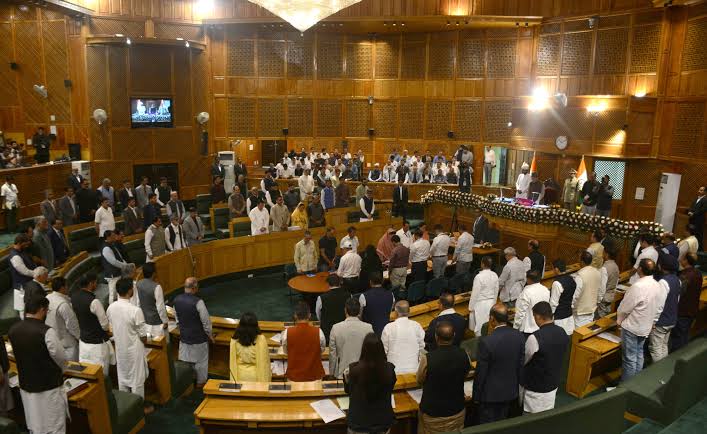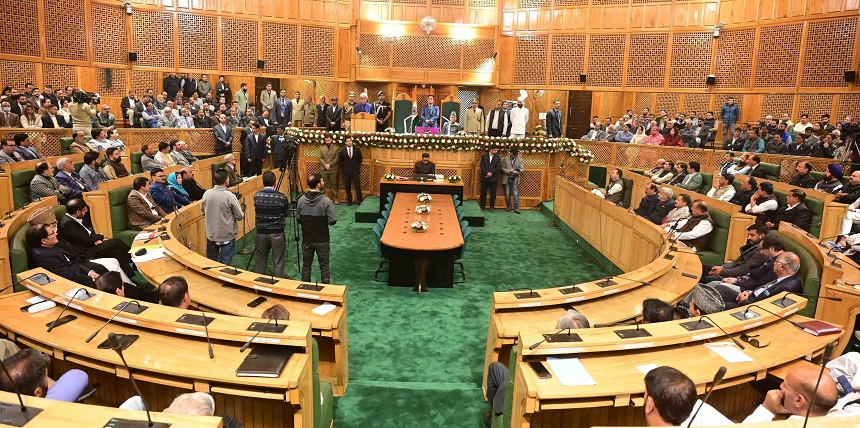




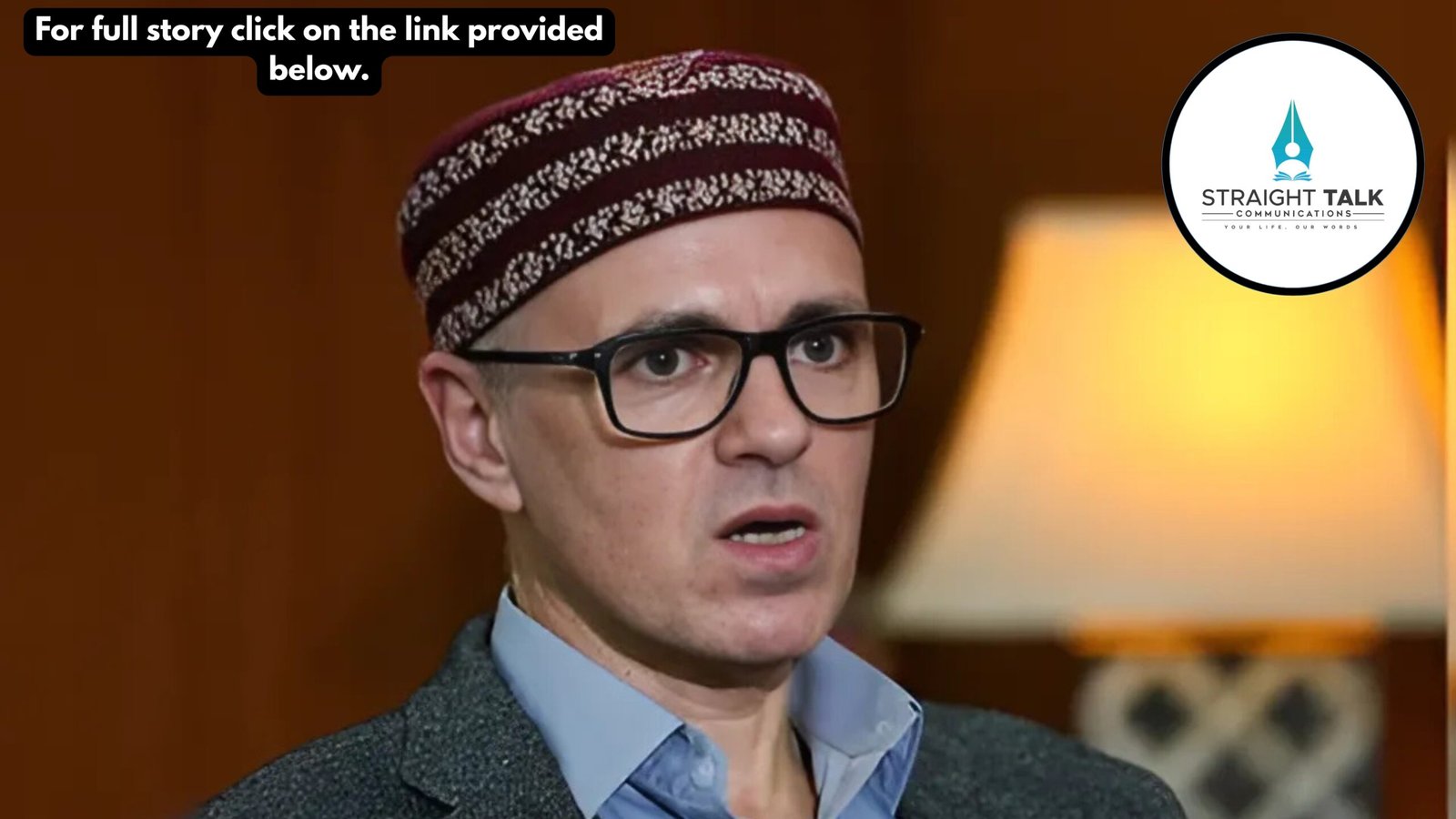
J&K government to initiate quick action for protection of Hangul and habitat conservation: CM Omar Abdullah
STC NEWS DESK
SRINAGAR, SEPTEMBER 12 (STC): In order to achieve measurable progress in the population of Hangul and Markhor, J&K government will act promptly on the recommendations of the Second International Conference on Hangul protection and other threatened Ungulates conservation (2IHUC-25), pledged Chief Minister Omar Abdullah today while speaking at the valedictory session of the three-day international conference here at SKUAST-K’s Shalimar campus.
Addressing a distinguished gathering of conservation experts, scientists, policymakers, and delegates from India and abroad, the Chief Minister assured that the State Government would treat the outcomes of the conference with utmost seriousness.
“On behalf of my colleagues in government, I assure you that the recommendations emerging from this conference will be implemented at the earliest. My hope is that when we meet here next time, the population of Hangul and Markhor will have grown significantly,” the Chief Minister said.
Recalling the words of eminent conservationist MK Ranjitsinh, he stressed that conservation is deeply tied to human well-being.
“Conservation is not only about animals—it is about human survival itself. Protecting Hangul, Markhor, or any threatened species is essentially about protecting life and the delicate ecological balance we depend upon.”
Sharing his personal regret, Omar Abdullah noted that despite living close to Dachigam National Park, he had never seen a Hangul with a naked eye.
“I don’t want a situation where our children and grandchildren know these species only through photographs in books, like the dodo or woolly mammoth. That would be a tragedy we must not allow,” he warned.
The Chief Minister underlined the need for synergy between academic institutions and government agencies to ensure practical outcomes.
“Unless there is synergy between academic research and government implementation, we risk losing magnificent animals like the Hangul. Every species exists for a reason. When they thrive, ecosystems thrive—and when ecosystems thrive, humankind thrives as well,” the Chief Minister said.
Cautioning against complacency, he said that these species will not wait for files to move from one department to another. “We cannot afford bureaucratic delays. The findings of this conference must translate into action with urgency,” he said.
The Chief Minister thanked international and national delegates for their participation and expressed hope that such conferences would be held more frequently.
Notably, the three-day event brought together more than 200 delegates, including eminent wildlife experts, conservationists, and biologists from the United States, United Kingdom, Canada, the Middle East, Central Asia, and South Asia. Participants shared research and strategies for conserving Hangul, Markhor, and other threatened ungulates of the Himalayan region.
On the occasion, the Chief Minister released a Vision Document titled ‘Institute of Mountain Wildlife Sciences’ and distributed awards and appreciation certificates to participants.
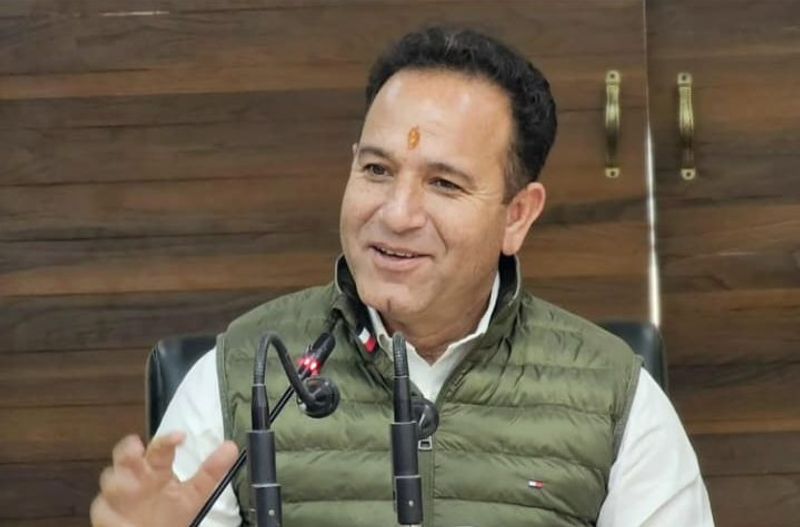
Others who addressed the gathering included Forest Minister Javed Ahmed Rana, Advisor to the CM Nasir Aslam Wani, Vice Chancellor SKUAST-Kashmir Prof. Nazir A. Ganie, Principal Chief Conservator of Forests Suresh Gupta and international expert Dr. Gonzalez.
(Straight Talk Communications)