




Wildlife Mis-governance: Civil society platforms allege Markhor poaching and smuggling of heads & horns in Kazinag; demands probe
STC NEWS DESK
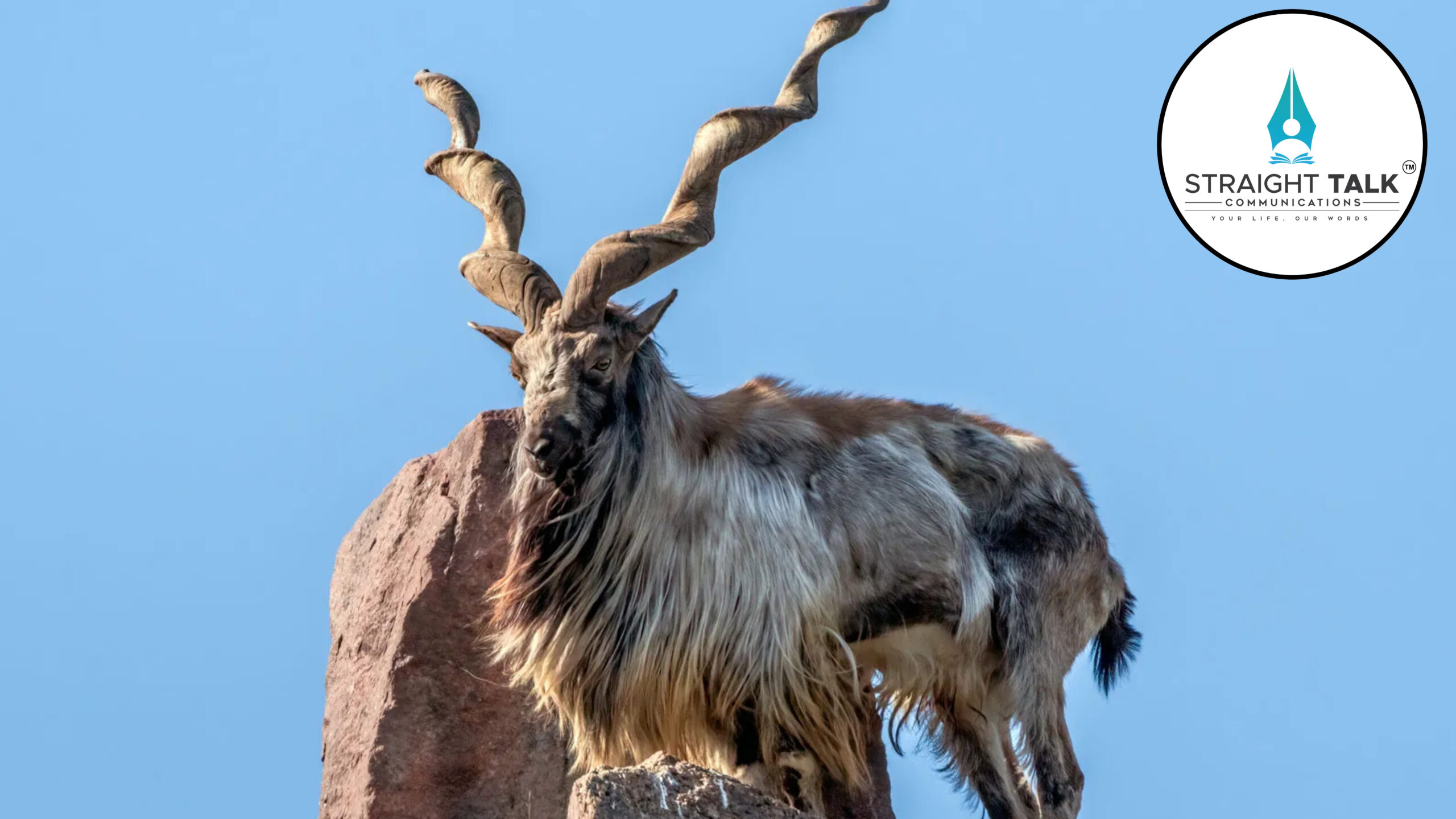
SRINAGAR, JANUARY 16. (STC): Various civil society platforms in a joint statement have expressed deep shock and grave concern over the alleged poaching of Markhor (Capra falconeri) in the Kazinag National Park landscape, Baramulla. It’s worth noting that Environmental Policy Group (EPG) has reported it in the public domain and formally brought to the notice of the Forest Department.
Any act of hunting, facilitation, concealment, or illegal trade involving this species is a serious criminal offence and an ecological crime against the people of Jammu & Kashmir.
Notably, the Markhor—India’s only viable population of which survives in Kazinag, is a Schedule–I species under the Wildlife (Protection) Act, 1972 and listed as near threatened on the IUCN Red List.
According to the statement, the reported video allegedly showing the killing of a Markhor and removal of its trophy—purportedly involving individuals linked with the Department of Wildlife Protection and the so-called “Markhor Watchers” programme—points to a dangerous collapse of conservation governance, institutional oversight, and ethical responsibility.
“Community-based conservation is founded on integrity, trust, and genuine community stewardship. If individuals trained, funded, and projected as wildlife protectors are found to be complicit in poaching, it represents a grave breach of trust and a direct subversion of conservation objectives,” reads the statement.
It further added that even more alarming is the tendency to quietly deflect blame onto local and pastoral communities particularly Gujjars and Bakerwals, while shielding powerful NGOs, consultants, and complicit officials. Indigenous pastoral communities have historically coexisted with wildlife and must not be turned into scapegoats to protect elite conservation cartels.
For over a decade, the public has been repeatedly informed that crores of rupees, public and donor funds—have been spent on Markhor recovery and conservation programmes. Yet today, allegations of poaching, compromised monitoring systems, opaque NGO partnerships, and cosmetic reporting expose a disturbing gap between claims and ground realities, saud the groip of civil societies.
The group has raised several vital questions: Where exactly has this money gone? Who were the beneficiaries? What independent ecological outcomes justify this expenditure? Who verified the claims placed before funding agencies and authorities?
In the backdrop of these questions, the civil society has
expressed serious concern over the manner in which the Wildlife Board in Jammu & Kashmir has been constituted and functioned over the years. “Instead of serving as an independent, expert, and statutory oversight body, the Board has increasingly been reduced to a rubber-stamp institution, used to legitimise questionable decisions, cover up failures, and protect entrenched interests” reads the statement of the group.
It’s further alleged that several individuals have been included in the Wildlife Board without any academic background, field experience, or demonstrable contribution to wildlife conservation; with no published work, field record, or credible engagement in biodiversity protection; and selected not for expertise, but for convenience, loyalty, and silence
“Such appointments violate the spirit of the Wildlife (Protection) Act, undermine scientific decision-making, and allow corrupt practices to be sanitised through formal approvals,” they alleged.
The Wildlife Board, in many instances, has served the interests of a few favoured NGOs and officials, rather than the interests of wildlife, ecosystems, or the people of Jammu & Kashmir.
“We strongly condemn the monopolisation of wildlife conservation in J&K by a handful of NGOs, who repeatedly receive projects, funding, and policy influence without competitive processes, transparency, or public scrutiny,” the statement of the group reads and alleged that
this NGO–official nexus has converted conservation into a funding industry; marginalised local communities and independent experts; suppressed dissent and critical evaluation; and used crises and alleged threats to wildlife to attract more funds, without accountability
The group has listed collective demands, including a time-bound independent inquiry or SIT into the alleged Markhor poaching incident, including the role of Wildlife Department officials, NGO partners, and community-based programme operatives. Among other things, it has also demanded special audit followed by a social audit by independent statutory auditors and credible civil society and ecological.
Notably, the joint statement has been issued by J&K RTI Movement, PirPanjal Conservation Foundation, Forest Rights Coalition – Jammu & Kashmir, Civil society for Justice & Development, Gujjar-Bakerwal Youth Welfare Conference and Nature Conservancy Alliance (NCA)
(Straight Talk Communications)