


SUNDAY BYTES: Privacy, Confidentiality, Moral Cost of Recording Every Moment of Wedding

Hold On to Your Cell Phone Cameras: Where Have Our Ikhlaqiyat Gone?
Dr. Fiaz Maqbool Fazili
“Shayad ke utar jaye tere dil mein meri baat; Aur ikhlaq sanwar jaye, aur muashra bikharne se bach jaye.”
There was a time when family celebrations were treasured in memories, not broadcast to strangers. Weddings were occasions of joy, dignity, and trust. Today, they are increasingly becoming social media content. The first instinct of many guests is no longer to congratulate the bride and groom but to unlock their smartphones, record every moment, and upload it online within minutes.
Somewhere along the way, we have lost something far more valuable than privacy. We have lost ikhlaqiyat—our moral compass, our sense of restraint, and our respect for the dignity of others.
The smartphone camera is one of the greatest technological gifts of our age. It captures precious memories, preserves history, and connects families across continents. Yet, like every powerful tool, it demands responsibility. Without ethics, technology becomes an instrument of intrusion.
The most disturbing trend is not photography itself but photography without consent.
At private family functions, guests casually record candid moments of the bride, groom, relatives, and children. Women singing traditional Kashmiri Rouf, Tumuk naari, heekut- laughing, enjoying among themselves, or adjusting their attire are filmed without their knowledge. Some are in spaces where they never expected to be seen by strangers. Within minutes, these videos appear on WhatsApp groups, Instagram stories, Facebook pages, and YouTube channels, reaching thousands of unknown viewers.The family that invited guests to celebrate happiness suddenly finds its private moments exposed before the world.This is not merely poor etiquette. It is a breach of trust.
Several years ago, my extended family experienced this firsthand. During a wedding reception, the women’s gathering included traditional songs and Rouf, herkut , Tumuk naarii. Like many Kashmiri families, it was intended to remain within the circle of relatives and invited guests.
Amid invitees was a prominent senior citizen, a bureaucrat turned politician. When I reached home, videos from that private function had already appeared on social media. What shocked me was not the recording of public personalities attending the event, but the clear images of our women—some wearing headscarves, others without them—displayed before countless unknown viewers.
What disturbed me even more was the motive behind the uploads. The videos were not shared to celebrate the wedding; they became ammunition for ridicule. The social media posts were filled with taunts, sarcasm, mockery, and mudslinging directed at a retired bureaucrat-turned-politician who happened to be guest present at the function. One may agree or disagree with his politics, question his public positions, or even criticise his decisions—that is part of democratic discourse. But is it fair to settle personal scores or political rivalries by exploiting a private family celebration? Is it ethical to drag innocent families, women, children, and other guests into the crossfire merely because a political opponent attended the event? Such collateral damage is neither journalism nor political criticism; it is a failure of character..The videos had been uploaded not by family members but by individuals including dome educationist’s and social media moral priest’s, who appeared more interested in settling political scores than respecting family privacy. The real victims, however, were innocent women whose images had been used without permission.I requested that the videos be removed. One individual apologised and deleted them. Another ( professor , educationist), refused despite repeated requests. It was an unfortunate reminder that technology without character often breeds arrogance rather than accountability.
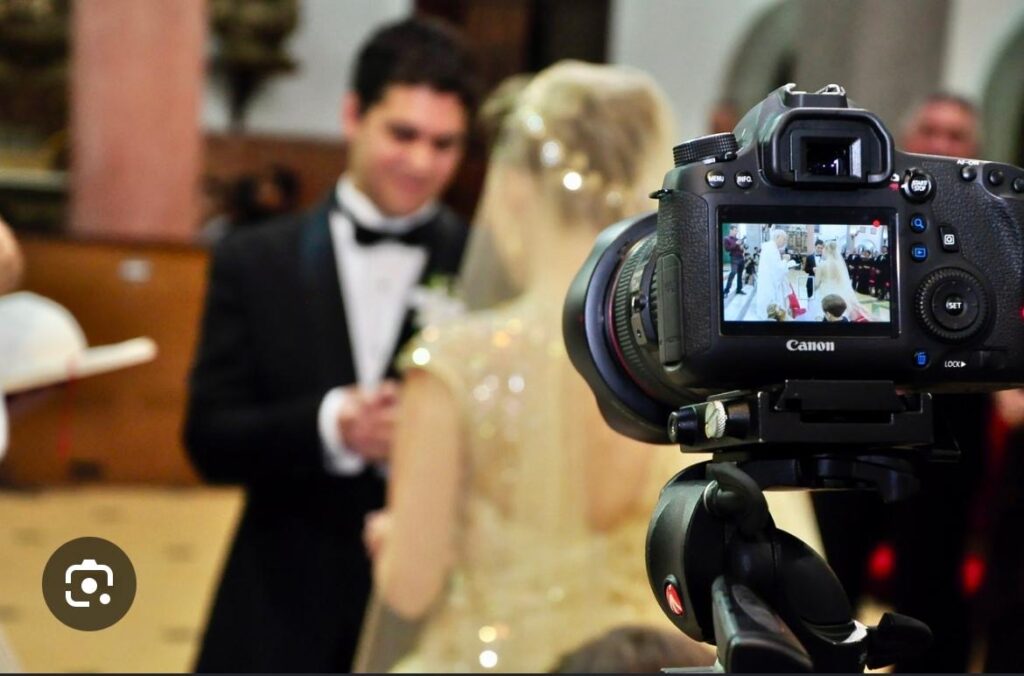
Sadly, this is no isolated incident.Today, as soon as the bride enters the wedding hall, dozens of mobile phones are raised in the air. Every smile is recorded. Every dress is scrutinised. Every ornament becomes a topic of discussion. The questions begin almost instantly: Who designed the bridal outfit? Which jeweller supplied the necklace? Who did the makeup? How expensive was the lehenga?
Instead of blessing the couple, many become unofficial reporters covering a private family event.
Our obsession with documenting everything has replaced the grace of simply being present.
Our moral , social fabric and faith Islam places immense emphasis on protecting honour, modesty, and privacy. The Qur’an repeatedly teaches believers not to spy on one another or violate personal boundaries. Respecting another person’s dignity is not merely social courtesy; it is an act of faith.
For many Muslim women, especially those observing hijab or modesty within family settings, being photographed without consent is deeply distressing. Images intended for a limited gathering may suddenly circulate among countless na-mahram men across the world.The emotional hurt caused by such actions is often invisible but profound.
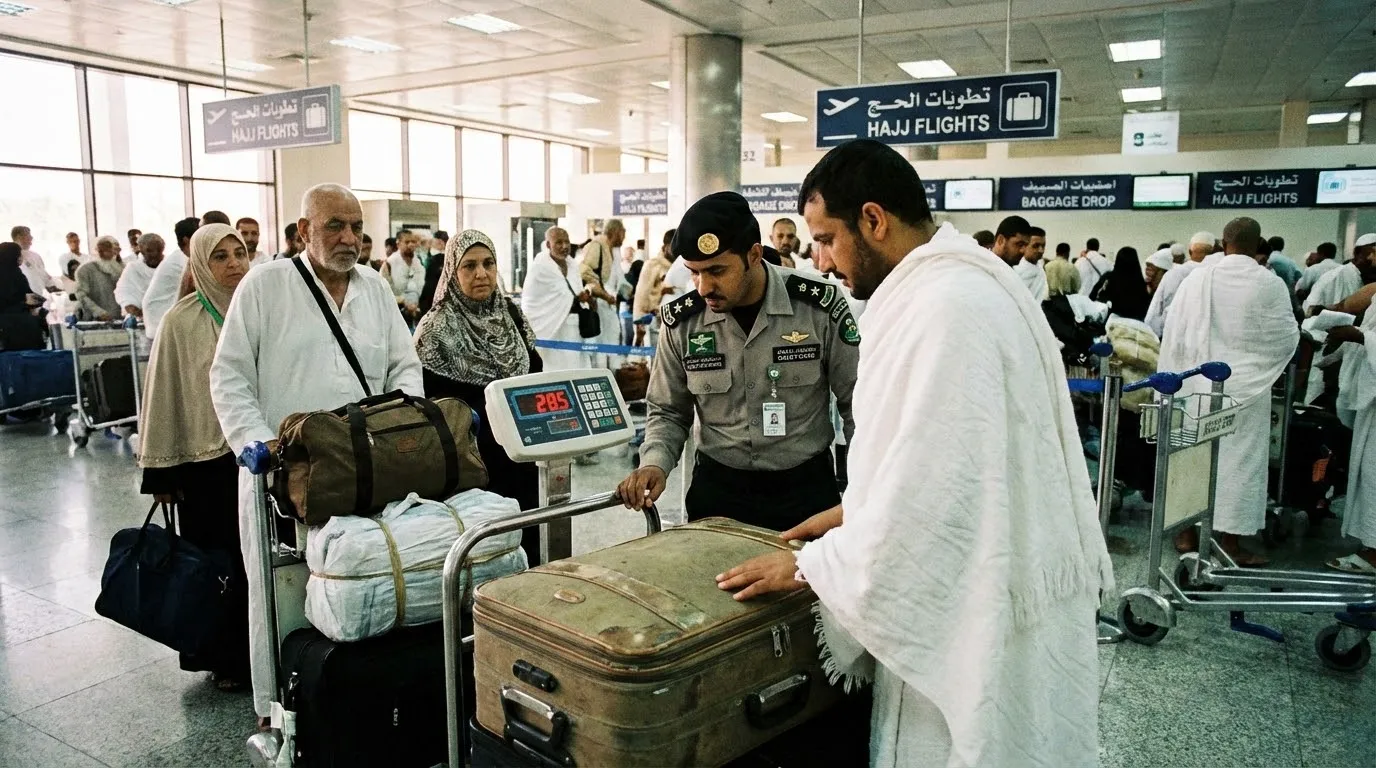
Interestingly, one learns valuable lessons by observing societies that take privacy seriously. During my three decades in Madinah Munawwarah, I and my family attended numerous wedding functions. My family tells me in women’s gatherings, none is allowed to record or photography was generally prohibited. Anyone attempting to record without permission would be immediately stopped, and the recording deleted. The objective was not hostility toward technology but respect for privacy, modesty, and trust.
The principle was simple: some moments belong only to the family.We would do well to reflect on that culture of restraint.
The issue is not confined to religion or tradition. Indian constitutional law increasingly recognises privacy as a fundamental right under Article 21. The Supreme Court has affirmed that every individual possesses a right to dignity and personal privacy.
Unauthorised recording or publication of private images may invite legal consequences under provisions of the Information Technology Act, the Bharatiya Nyaya Sanhita, and civil remedies relating to privacy and misuse of personal data, depending on the facts of each case. Courts continue to balance evidentiary needs with individual privacy, but one principle remains clear: consent matters.The law may punish some violations.
Character prevents them from happening in the first place.The real crisis, therefore, is not legal but moral.
Why have we become so eager to broadcast every private moment? Why has the desire for online visibility become stronger than respect for another family’s wishes? What satisfaction do we derive from uploading videos that were never ours to share?
Social media has created a culture where every gathering becomes potential content, every guest a cameraperson, and every private celebration a public spectacle.The likes disappear within hours.The violation of trust lasts much longer.
Parents, relatives, guests too, have an important responsibility. Children observe adults constantly recording, posting, forwarding, and commenting on others’ lives. They naturally assume such behaviour is normal. If we fail to teach digital etiquette at home, schools alone cannot repair the damage.
Good manners are not inherited.They are demonstrated.
Wedding hosts also need courage to establish clear expectations. A polite announcement requesting guests to avoid photographing women or posting videos without permission should never be considered offensive. Some families now designate an official photographer while requesting guests to keep phones away during sensitive moments. Such measures protect everyone without diminishing the joy of the occasion.
Technology itself is not the enemy.Our misuse of it is.
Every one of us should pause before pressing the “share” button and ask four simple questions:
Do I have permission?Could this embarrass someone?Would I want my own family treated this way?Is this act pleasing to Allah and fair to fellow human beings?
If the answer to any of these questions is “No,” the upload should never happen.
The finest photographs are not always the ones posted online. Many remain safely preserved within family albums, carrying memories without violating anyone’s dignity.
Civilisations are not judged merely by their technological advancement. They are judged by how they protect the weak, respect personal boundaries, and honour the trust placed in them by others.
Our elders taught us that good character begins where selfishness ends. Today, perhaps our greatest challenge is not learning how to use smartphones, but learning when not to use them.
If we truly wish to preserve our families, our culture, and our values, we must revive the forgotten virtues of ikhlaqiyat—modesty, restraint, empathy, and respect for privacy.
Every click of the camera should be guided by conscience. Every upload should pass the test of consent. Because not everything that can be recorded deserves to be shared.
And not every moment belongs to the world. Here’s your short reminder: Pause before you click.Not every moment at a private function is yours to broadcast. Respect the frame, ask for a nod—and if this stops one careless post, I’ve done my duty.
”Among the most private and intimate pre-wedding rituals are Aab Sheoran (bridal bath), Maenz Lagan (application of henna), and Maas Matchrawan (bridal hair grooming/braiding). During these ceremonies, the bride’s hair, hands, arms, and at times her legs are exposed in a women-only setting. Their sanctity and privacy deserve absolute respect. Photography and videography at such events should be strictly prohibited, and families should enforce a complete no-camera policy to preserve the bride’s dignity, modesty, and the confidentiality of these cherished traditions.”..
(STRAIGHT TALK COMMUNICATIONS EXCLUSIVE. Author a senior surgeon and columnist who writes on public health, ethics, social values, and community issues.)