


J&K Government notifies Compressed Bio-Gas (CBG) Policy 2026 with capital support up to Rs 10 cr
STC NEWS DESK
SRINAGAR, OCTOBER 02 (STC): Jammu and Kashmir Government has notified Compressed Bio-Gas (CBG) Policy 2026. It is considered a major step towards clean energy and a circular economy, with the policy offering capital support of up to Rs 10 crore per project and a range of incentives to attract investment.
Valid up to 2032, the policy seeks to create an ecosystem for green investment, promote decentralised waste-to-energy projects and strengthen rural economies.
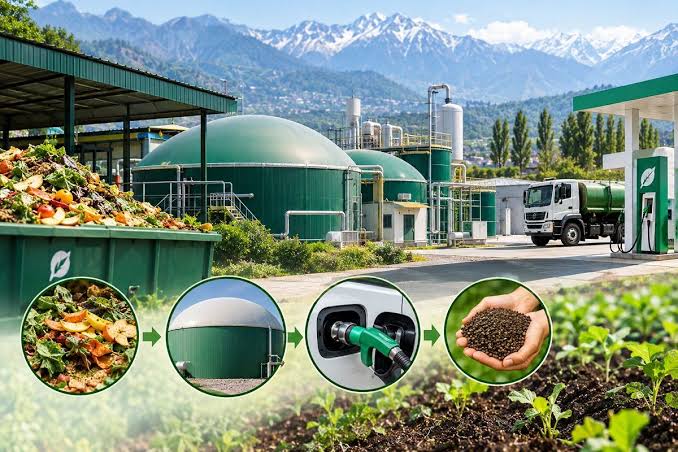
According to an official spokesperson, the policy provides a framework for converting organic waste into clean automotive fuel and organic fertiliser. It seeks to utilise waste streams such as cattle dung, apple pomace, municipal solid waste, pine needles and crop residues for CBG production, while addressing waste management, energy security, rural employment and sustainable agriculture.
The policy envisages that projects will be eligible for capital expenditure support of Rs 0.50 crore per tonne per day (TPD), capped at Rs 10 crore per project.
Government land will be provided at a nominal lease rate of Rs 1 per square metre, along with 100 per cent exemption from stamp duty.
To improve ease of doing business, the policy provides for deemed approvals within 60 days for non-statutory permissions routed through the Single Window Portal. Eligible clearances not disposed of within the stipulated period will be deemed approved.
Notably, CBG projects will also be eligible for 100 per cent reimbursement of State Goods and Services Tax (SGST) for the first five years of operation.
The policy provides a manpower subsidy of Rs 3,000 per month for each local unskilled worker for two years, besides interest subvention of up to Rs 2 crore on bank term loans.
The government will facilitate aggregation of feedstock and market linkages for bio-manure, with a target of distributing the organic fertiliser to 10,000 farmers.
The initiative envisages creation of around 2,000 direct rural jobs by 2030, besides livelihood opportunities across the CBG value chain.
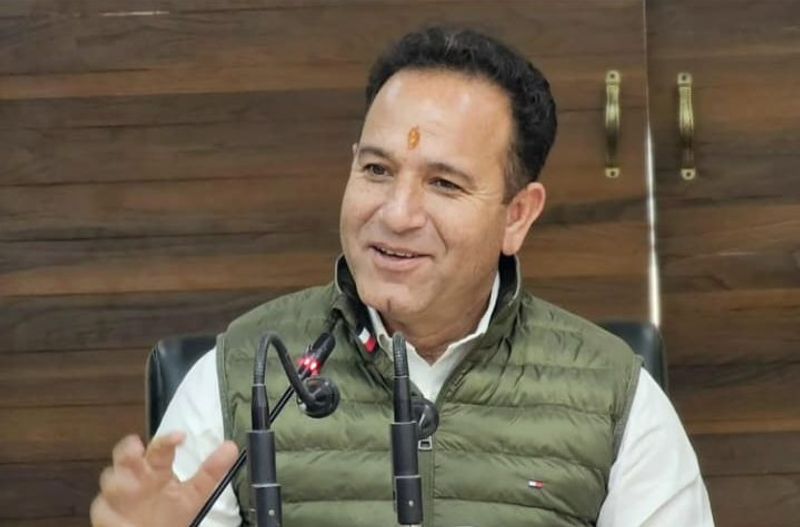
Remarkably, Chief Minister Omar Abdullah congratulated Science and Technology Minister Satish Sharma and the department for notifying the policy, describing it as an important initiative towards sustainable energy development and a cleaner and more resource-efficient Jammu and Kashmir.
(Straight Talk Communications)