




Kishtwar’s Red Gold: A Priceless Treasure We Must Not Allow to Disappear

Poochal’s world of saffron deserves pride, protection and promotion. The time has come to save its precious corms, preserve its fields and secure its future.
Khurshid Ahmad Akhoon
There are some treasures whose real worth cannot be measured merely in money. They carry the fragrance of a land, the identity of its people and the memories of generations that have nurtured them with love and dedication. Saffron of Kishtwar, particularly the saffron grown in Poochal and its adjoining areas, is one such priceless treasure.
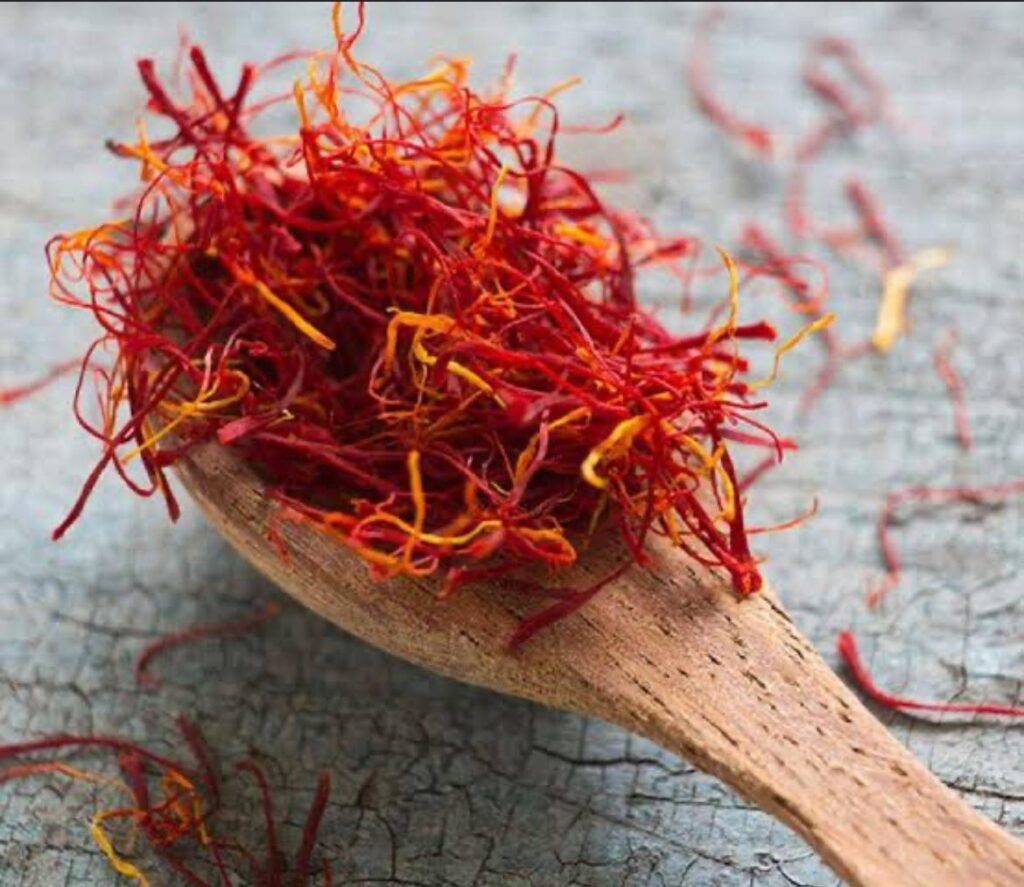
Popularly known as Red Gold, saffron is among the most precious spices in the world. Yet, for Kishtwar, it represents much more than a valuable agricultural product. It is a symbol of the district’s natural richness, its traditional wisdom and the extraordinary gifts that its mountains and soil have bestowed upon its people.
Kishtwar is blessed with breathtaking landscapes, rivers, mountains, forests and a rich cultural heritage. Among these blessings lies a remarkable agricultural legacy that deserves far greater recognition than it has received. The saffron fields of Poochal are not merely pieces of agricultural land; they are a source of pride, prosperity and identity for the entire district.
Pampore May Be Famous, But Kishtwar Has Its Own Pride
Whenever saffron is discussed in Jammu and Kashmir, Pampore naturally comes to mind in quantity wise. Its longstanding reputation and extensive cultivation have established it as the region’s principal saffron-producing centre. There is no reason to diminish that achievement. But the quality of Kishtwar saffron is considered best in the entire world.
Kishtwar’s saffron deserves recognition in its own right. The growers of Poochal have nurtured a precious tradition that must not remain overshadowed simply because cultivation here occupies a smaller area.
Those familiar with Kishtwar’s saffron have long spoken of its rich colour, distinctive fragrance and exceptional appeal. For local growers, it is not just another crop to be sold in the market; it is a product of their land, their labour and their inherited knowledge.
The world needs to know more about this remarkable produce. Kishtwar saffron deserves to be promoted with confidence, marketed with pride and presented to buyers as a distinctive treasure of the Chenab Valley.
The objective should not be to take anything away from Pampore, but to ensure that Kishtwar receives the recognition, attention and economic opportunities that its own saffron heritage deserves.
A Treasure Under Threat
Unfortunately, at a time when every effort should be made to expand and protect saffron cultivation, concerns are growing about the future of this precious crop in Kishtwar.
One of the most worrying developments is the reported sale of saffron corms, commonly referred to as saffron bulbs or seeds, to buyers from outside the district. Farmers facing financial pressures may find attractive offers difficult to refuse. But the immediate money received for these corms could come at a much greater long-term cost.
Saffron corms are the very foundation of future cultivation. They are the planting material through which new saffron plants grow and the fields continue to flourish. When healthy corms are sold in large quantities without adequate arrangements for replanting, the district risks losing the very resource required to sustain and expand its saffron production.
What will remain of Kishtwar’s saffron heritage if its planting material gradually leaves the district and its fields are left without sufficient corms for future seasons?
This is a question that every concerned citizen, farmer and administrator must ask.
A farmer may receive money for a corm today, but Kishtwar could lose the opportunity to earn from the saffron that corm might have produced for years to come.
The answer is not to blame struggling farmers. Their economic difficulties deserve understanding and support. The answer is to create conditions in which preserving saffron cultivation becomes more rewarding than selling away its future.
The administration must urgently examine reports of large-scale corm sales, understand the reasons behind them and introduce suitable safeguards to protect the district’s long-term agricultural interests.
Do Not Allow Saffron Fields to Disappear Under Concrete
Another serious concern is the conversion of fertile agricultural land into residential and commercial structures.
Every piece of land lost to unplanned construction is a potential loss to future cultivation. Once a traditional saffron field is covered by concrete, its agricultural heritage may be lost permanently.
Development is necessary, and people have legitimate housing needs. But development must not come at the cost of destroying the very natural and agricultural assets that give a place its identity.
Poochal and its adjoining saffron-growing areas deserve a carefully planned approach that protects productive fields while accommodating genuine development needs.
The government should identify and map existing saffron land, examine the threat posed by changing land use and consider appropriate legal protection for these areas. The preservation of saffron fields must become a priority before the damage becomes irreversible.
Give Farmers a Reason to Preserve Their Heritage
No appeal to save saffron can succeed if the people who cultivate it are left struggling financially.
Farmers need practical support, affordable planting material, access to irrigation, agricultural guidance and a reliable market for their produce. Financial assistance and suitable incentives could help discourage distress-driven sales of corms.
The government should also explore the establishment of a dedicated saffron development programme for Kishtwar, with special attention to Poochal. Local growers could be encouraged to form a cooperative or producer organisation to improve collective marketing, packaging and access to premium buyers.
A distinctive Kishtwar saffron brand could help bring the product to markets beyond the district. Better packaging, transparent sourcing and consistent quality would help ensure that greater market recognition translates into better returns for local farmers.
Tourism could also play a role. Visitors to Kishtwar should have opportunities to discover its saffron-growing heritage, meet local growers and experience the agricultural traditions that make the district special.
The ultimate objective must be simple: saffron cultivation should remain a source of pride and a viable livelihood for the people who have preserved it across generations.
Let Kishtwar’s Fragrance Reach the World
Kishtwar has much to offer, but its treasures need champions. Its saffron deserves a stronger voice, a distinctive identity and a determined effort to bring it the recognition it merits.
Local representatives, the district administration, agricultural institutions, business organisations and the people of Kishtwar must come together to protect and promote this valuable heritage.
There should be a clear commitment to preserve saffron-growing land, discourage the indiscriminate removal of planting material, support farmers and create new opportunities for the marketing of Kishtwar saffron.
The district must not wait until its saffron fields have diminished to realise what it has lost. Protection must begin while the tradition is still alive and the opportunity to revive and expand cultivation remains.
Kishtwar’s saffron is not merely a crop of the present; it is an inheritance from the past and a responsibility towards the future.
Let the fragrance of Poochal’s saffron travel beyond the mountains of Kishtwar. Let its growers receive the recognition and prosperity they deserve. And let us ensure that the next generation inherits thriving saffron fields rather than memories of what once flourished here.
The message is clear: promote Kishtwar saffron, protect its fields, preserve its corms and support its farmers. Do not allow an irreplaceable treasure to slip away for the sake of short-term gain.
Kishtwar’s Red Gold belongs to its agricultural heritage. Preserving it is not merely an economic necessity; it is a duty towards our land, our people and our future.
(STRAIGHT TALK COMMUNICATIONS EXCLUSIVE)