

LG Sinha calls for science-based planning, climate-resilient infrastructure and zero-waste economy in Himalayan region
STC NEWS DESK
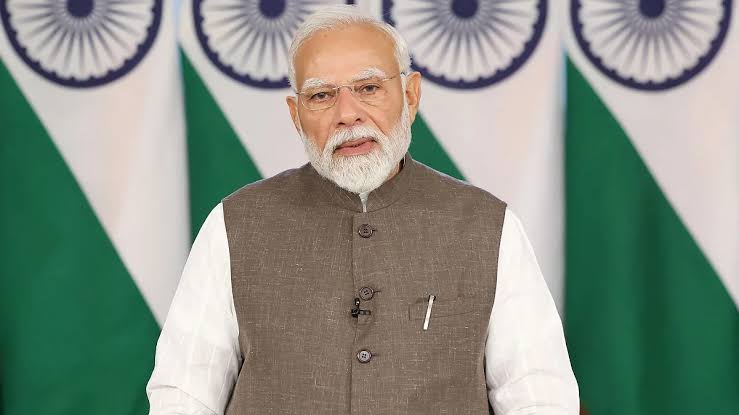
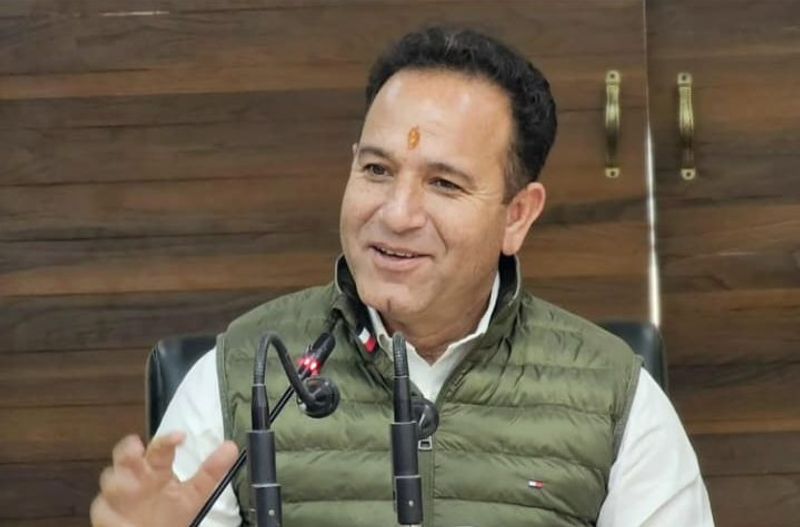
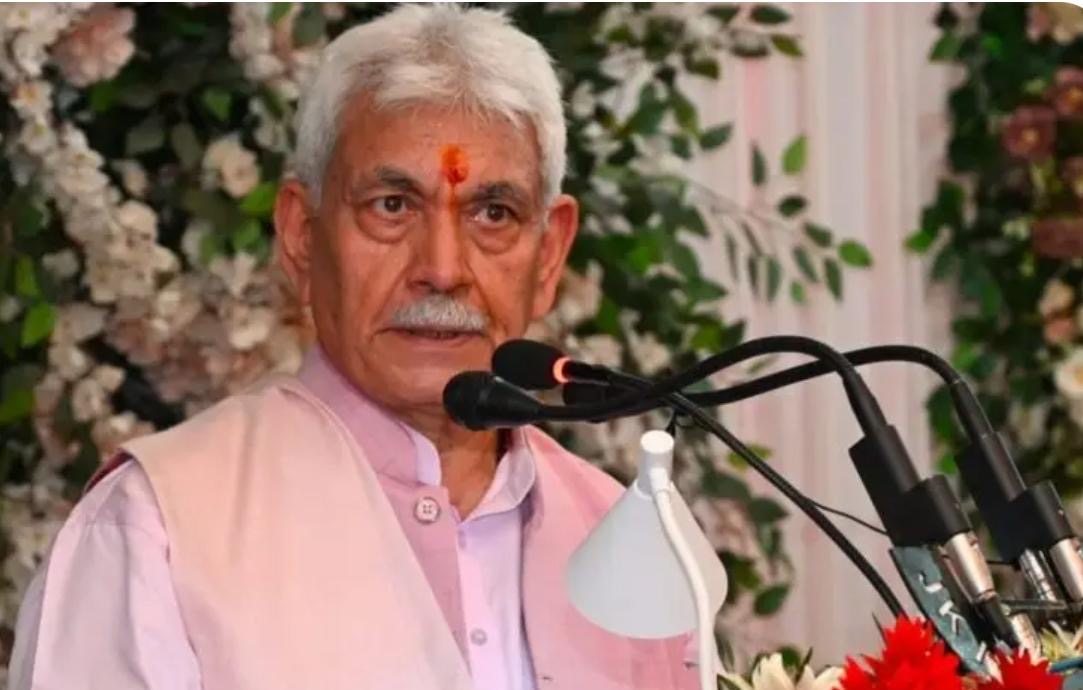
SRINAGAR, OCTOBER 14 (STC): Jammu and Kashmir Lieutenant Governor Manoj Sinha has called for urgent measures to protect the fragile Himalayan ecosystem. He warned that climate change, environmental degradation and unplanned development posed serious challenges to the region’s ecological stability.
In a message to the valedictory session of the 13th Sustainable Mountain Development Summit, Sinha said development and environmental conservation must go hand in hand, as economic progress achieved at the cost of natural resources could not be considered sustainable.
“Development achieved at the cost of nature’s stability is not truly development. Our dream of a developed India will be meaningful only when the Himalayas remain safe, strong, and vibrant,” the Lieutenant Governor said.
He said the increasing frequency and intensity of natural disasters over the past two decades had highlighted the growing impact of climate change on mountainous regions.
Describing the Himalayas as a vital source of rivers, a reservoir of biodiversity and an important regulator of climate, Sinha warned that disturbances to the region’s ecological balance could have far-reaching consequences.
The Lieutenant Governor proposed a four-pillar roadmap for sustainable development in the Himalayan region.
The first pillar, he said, should focus on science-based assessment of carrying capacity and appropriate land-use zoning to ensure that development activities remain within ecological limits.
The second called for climate-resilient infrastructure and improved disaster preparedness, including environmentally sensitive construction and community-based early warning systems combining modern technology with traditional knowledge.
Under the third pillar, Sinha advocated regenerative livelihoods through high-value horticulture, organic farming, modern sericulture, eco-tourism and other green economic activities, with greater opportunities for women and young entrepreneurs.
The fourth pillar focused on creating a zero-waste mountain economy through improved solid waste management, wastewater treatment and recycling in urban centres, rural areas and tourist destinations.
He said protecting water resources, forests, land and biodiversity required coordinated action by governments, institutions and local communities.
He also welcomed the draft policy prepared during the summit on ecological security, responsible tourism, disaster management and sustainable livelihoods.
Sinha expressed hope that the document would be developed into an effective policy and implementation framework following wider consultations.
Congratulating the Integrated Mountain Initiative and SKUAST-Kashmir for organising the summit, he said the discussions had highlighted concerns affecting millions of people dependent on the Himalayan ecosystem.
The Lieutenant Governor stressed the need to combine traditional knowledge with modern scientific approaches to ensure that economic development did not undermine environmental stability.
(Straight Talk Communications)