


STC EXCLUSIVE: Revisiting Risk Management in Kashmir’s Hospitals

Does Kashmir Need a Fire Risk Audit?
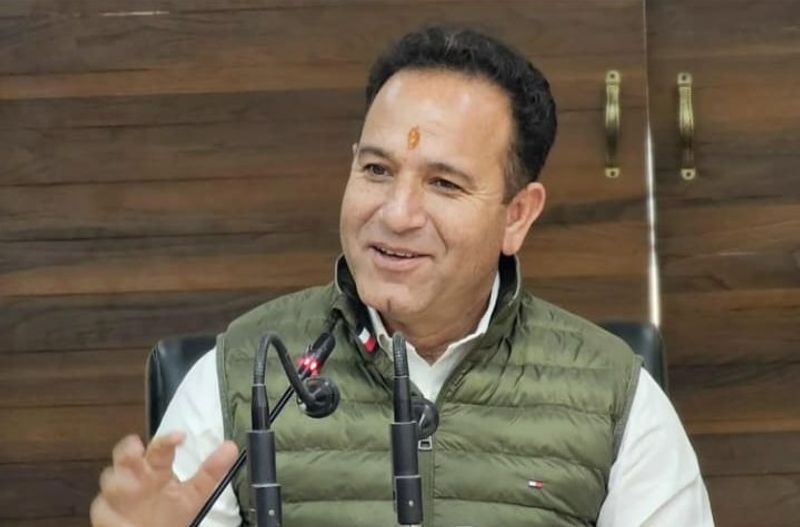
Dr Fiaz Maqbool Fazili
(Former Risk Manager)
A fire in the locality around Karan Nagar, Srinagar, has once again raised an uncomfortable but urgent question: Are our hospitals adequately prepared for emergencies originating not only within their premises but also in the neighbourhoods surrounding them?
When a hospital is situated amid densely populated residential lanes, its vulnerability extends beyond its walls. The safety of patients depends as much on the hospital’s internal preparedness as on the risks posed by its immediate environment.
Reports of emergency evacuation, fire engines operating in confined spaces and firefighting water moving through hospital corridors should prompt a careful review of hospital safety arrangements. Such incidents expose the interconnected nature of urban risk. A fire in a neighbouring building can disrupt hospital operations, obstruct access, compromise essential services and expose vulnerable patients to secondary hazards. Water, smoke, soot and fire debris entering clinical areas may contaminate surfaces and equipment, damage electrical installations and create conditions conducive to infection if appropriate cleaning and decontamination measures are not implemented.
For a hospital, therefore, fire safety cannot begin and end with the installation of extinguishers or the presence of a fire alarm. It must encompass the entire environment in which healthcare is delivered.
When a neighbourhood becomes a hospital risk
Srinagar’s congested urban settlements present distinctive challenges for emergency response. Narrow lanes, closely spaced buildings, parked vehicles, limited turning space and inadequate access can delay fire tenders and restrict the movement of ambulances. In an emergency, every minute matters. A hospital that is difficult to reach during routine conditions may become dangerously inaccessible when fire and panic compound the situation.
At least four hospitals in Srinagar are understood to be situated within, or in close proximity to, densely populated residential neighbourhoods. This warrants a systematic assessment of their locations, access routes and surrounding hazards. The precise number and circumstances should be verified through an official survey.
The question is not whether hospitals should ever operate in residential areas. Healthcare facilities are essential urban services, and proximity can improve access for patients. Rather, the question is whether a particular site can safely accommodate a hospital’s functions, patient load, emergency access requirements and infrastructure needs.
How were these facilities approved at their respective locations? Were surrounding risks adequately assessed at the time of permission? Have access routes, neighbouring structures and fire-service capabilities changed since then? Most importantly, are existing arrangements still adequate under present-day conditions?
These are legitimate questions of public safety, not grounds for assigning blame without evidence. Planning permissions and building approvals must be examined against applicable regulations, the hospital’s occupancy classification and the specific conditions attached to its operation.
A fire audit must go beyond paperwork
I appeal to the Health Minister to initiate an urgent, independent fire and emergency risk audit of hospitals across Kashmir, beginning with facilities situated in congested neighbourhoods or near buildings presenting significant fire hazards.
The audit should not become another exercise in collecting certificates, inspecting extinguishers and completing compliance checklists. It must assess whether hospitals can actually protect patients when an emergency occurs.
Are fire alarms functional and audible throughout the premises? Are exits clearly marked, unobstructed and accessible? Are staircases, corridors and emergency doors maintained appropriately? Can fire engines reach the facility, and is there sufficient space for emergency operations? Are electrical systems, oxygen supplies, generators, kitchens, storage areas and other potential hazards inspected regularly?
Equally important is the human element. Do doctors, nurses, technicians, security guards, attendants and housekeeping staff know exactly what to do when an alarm sounds? Have they participated in realistic fire drills? Do they know whom to alert, which routes to use, where patients should be moved and how to prevent confusion during evacuation?
A written fire safety plan has little value if the people expected to implement it have never practised it.
Evacuating patients is not moving furniture
Hospital evacuation is fundamentally different from evacuating an office or residential building. Patients may be unconscious, immobile, oxygen-dependent, critically ill or unable to understand instructions. Some require continuous monitoring, intravenous medication, ventilatory support or time-sensitive treatment.
The evacuation of an intensive care unit is particularly complex. Who decides whether patients should be moved immediately or sheltered temporarily in a protected area? Which staff members are responsible for each patient? Where will ventilated patients go, and how will oxygen, monitoring, essential medicines and power be maintained during transfer?
Staff must also understand the practicalities of moving patients safely. In some circumstances, transferring a patient on a mattress may be necessary as an emergency measure, but it is not a universal substitute for an appropriate evacuation device or a planned patient-transfer procedure. Moving a patient with the bed, mattress or evacuation equipment depends on the circumstances, available resources and safety of the route.
The plan must identify suitable equipment, trained personnel, designated receiving areas and clear procedures for maintaining patient identification, clinical records, specimens and essential medications. Laboratories must have arrangements for protecting or safely relocating samples, while pharmacies and clinical departments must ensure continuity of critical medicines and supplies.
These details cannot be improvised in smoke-filled corridors amid frightened patients and overwhelmed staff.
Fire safety and infection prevention are connected
The aftermath of a fire can create hazards long after the flames have been extinguished. Firefighting water may mix with soot, debris, cleaning chemicals or other contaminants before entering clinical spaces. Smoke residues may affect equipment and surfaces, while water intrusion can damage electrical systems and compromise sterile or controlled environments.
Such contamination does not automatically mean that an infection will occur. However, it creates a need for prompt assessment, isolation of affected areas, appropriate cleaning and disinfection, equipment checks and formal clearance before clinical services resume.
Hospitals must have protocols for managing these secondary risks. The emergency response should include infection prevention and control teams, engineering staff, facilities management and clinical leadership—not merely the fire service.
Remembering warnings before tragedy strikes
Kashmir has witnessed the devastating consequences of hospital fires before. The fire at Bone and Joint Hospital in Srinagar remains a sobering reminder of the stakes involved. Any assertions about missed warnings or ignored recommendations should be examined against the relevant inquiry and fire-audit records. Nevertheless, the broader lesson is unmistakable: identifying a risk is only the beginning; corrective action must follow, and compliance must be verified.
A hospital fire risk audit should therefore produce a time-bound action plan, assign responsibility for each deficiency, establish deadlines and require independent verification of corrective measures. High-risk findings must be addressed immediately, while unresolved serious hazards should trigger appropriate restrictions on affected areas or services in accordance with applicable law.
Periodic inspections should be supplemented by unannounced drills, staff competency assessments and reviews of incidents and near misses. Hospital administrators must be accountable for preparedness, and authorities must ensure that recommendations do not remain confined to files.
Prevention is a responsibility, not a reaction
My humble request to the Health Minister and the relevant health, fire and municipal authorities is to treat this issue as an immediate public-safety priority. Begin with hospitals in congested localities, but extend the exercise across the healthcare system. Assess the buildings, their surroundings, emergency access, evacuation capacity, staff training and continuity-of-care arrangements.
The objective is not to create panic or to suggest that every hospital located in a residential neighbourhood is inherently unsafe. It is to establish, through evidence and professional assessment, whether each facility can withstand foreseeable emergencies and protect those least able to protect themselves.
Patients enter hospitals seeking treatment, not to become casualties of preventable failures in planning or preparedness. Their vulnerability places a special duty on those entrusted with healthcare administration.
We must not wait for another tragedy to discover whether our alarms work, whether our exits are accessible or whether our staff know how to evacuate an intensive care unit.
The time for a comprehensive hospital fire risk audit in Kashmir is now—before the next emergency turns a warning into a catastrophe.
(STRAIGHT TALK COMMUNICATIONS EXCLUSIVE)