

Central government approves two-year “second tour of duty” for Agniveers; Defence Minister thanks PM
STC NEWS DESK
SRINAGAR, NOVEMBER 04 (STC): The Central government has approved an additional two-year “second tour of duty” for Agniveers recruited under the Agniveer scheme. Under this decision, Agniveers will be given the opportunity to serve in the armed forces for another two years after the initial four-year service period.
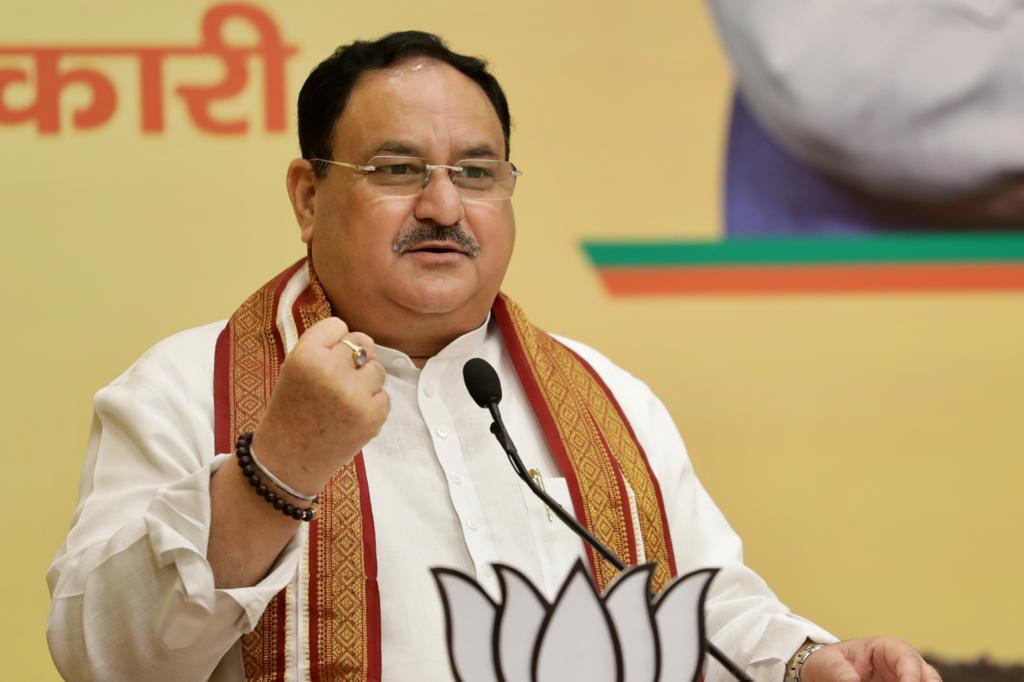
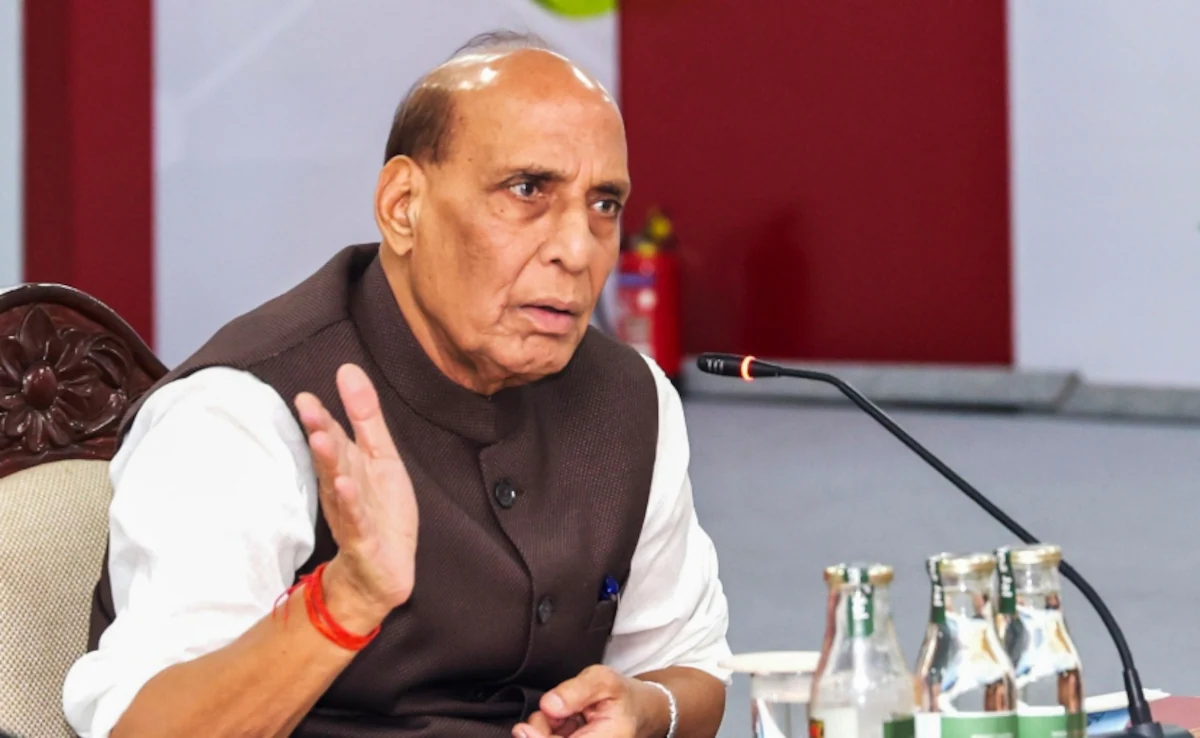
Informing about this important decision in a statement on social media platform X, Defense Minister Rajnath Singh said that the Union Cabinet meeting chaired by Prime Minister Narendra Modi has approved an additional two-year “second tour of duty” for Agniveers under the Agniveer Scheme. He thanked Prime Minister Narendra Modi for this decision and said that providing an opportunity to Agniveers to serve for two more years under the Agnipath Scheme is a significant development.
According to him, this initiative will also provide an opportunity to all aspiring Agniveers who meet the selection criteria after completing a four- or six-year service period to join the armed forces as regular soldiers.
Rajnath Singh said that this decision is an important link in the chain of long-term structural reforms in the country’s defense forces, which aims to make the army more youthful, agile, equipped with modern technology and ready to meet future challenges.
The Defense Minister clarified in his statement that the Agniveer Scheme is not just a recruitment policy in the army but an important step towards developing the Indian defense system in accordance with the changing war conditions and modern requirements. He said that the nature of future wars is changing rapidly and in such circumstances, the armed forces need a manpower equipped with modern technology, physically strong and young.
He added that the decision of two years of additional service period will help in making the defense forces compatible with future requirements and taking forward the ongoing reform process in them.
(Straight Talk Communications I Inputs from Agencies)