

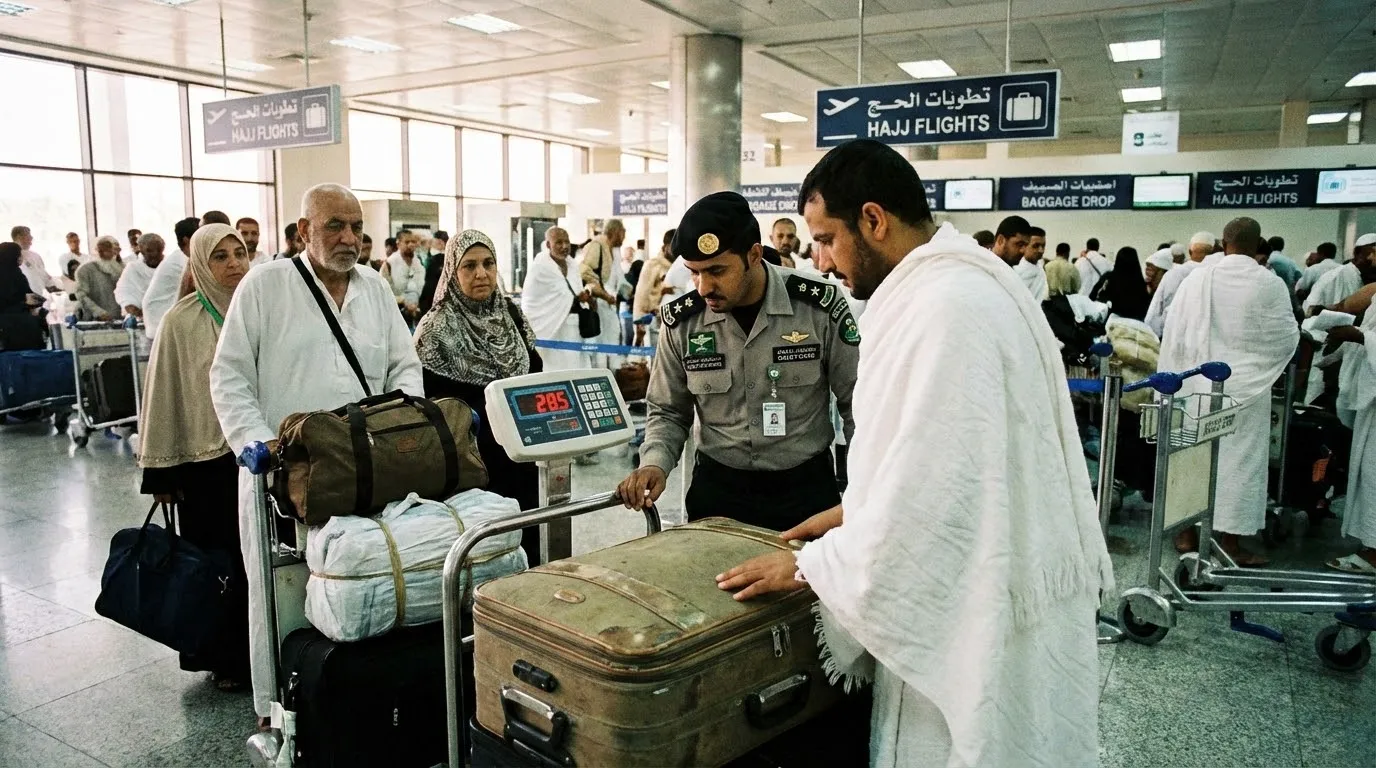


Why Travel Matters Today More Than Ever

As we move through an increasingly connected yet complex world, the value of real experience becomes even more important. Travel offers that experience.
Gowher Bhat
We live in a time when the world feels both closer and more distant at once. With smartphones, social media, and constant updates, we are connected to almost every part of the globe. A person sitting in a small town can see what is happening thousands of miles away within seconds. Yet, despite this connection, many people feel more uncertain and distant from others than before. There is often a sense of unfamiliarity about places and people we have never met. In such a time, travel is not just a leisure activity. It has become a meaningful way to understand people, cultures, and everyday life beyond our immediate surroundings.
The idea is not new. The American writer Mark Twain once observed that travel helps reduce narrow thinking. His words continue to resonate because they reflect a simple and lasting truth. When we step outside our familiar environment and experience new places, our understanding begins to expand in quiet and steady ways. Travel offers something direct and real, something that books, screens, and second-hand accounts cannot fully replace. It allows us to move beyond imagination and see things with our own eyes.
Today, much of what we know about the world comes through digital platforms. News often highlights unusual or difficult events because they draw attention. These stories are important, but when they are repeated constantly, they can create an incomplete picture. Over time, this can shape how we see places we have never visited. Research from the Pew Research Center suggests that people who consume a high volume of such content may begin to see the world in a more negative light than it truly is. This does not mean that problems do not exist, but it shows that our understanding can sometimes be limited by what we see on screens. Travel offers a gentle correction. It allows us to see everyday life as it is, not only as it is often presented.
Much of our hesitation about unfamiliar places comes from limited knowledge. When we do not know enough about a place, we may rely on assumptions or stories told by others. But when we travel, that hesitation often fades. Conversations with locals, shared meals, and simple human interactions begin to replace uncertainty with clarity. You begin to notice small acts of kindness, the rhythm of daily life, and the warmth of ordinary people. What once felt distant becomes familiar, and what seemed very different begins to feel relatable.
One of the most meaningful realizations that comes from travel is how similar people are at their core. While languages, food, and traditions may differ from one place to another, everyday hopes remain the same. People care about their families, their work, and their future. They wish for stability, respect, and happiness in their lives. Research highlighted by the American Psychological Association suggests that values such as care, belonging, and security are widely shared across cultures. This understanding becomes much clearer when it is experienced directly, not just read or heard about.
It is easy to form opinions based on limited or indirect information. Many of us grow up hearing certain ideas about different places or communities. Some of these ideas may be incomplete, and others may not be accurate at all. Travel gently challenges those ideas. What may seem unfamiliar often turns out to be welcoming and warm. Meeting people, listening to their stories, and observing daily life helps replace assumptions with understanding. This process does not happen suddenly, but over time, it changes how we see the world and the people in it.
Beyond understanding others, travel also shapes us in quiet but meaningful ways. It teaches patience, especially when things do not go as planned. It teaches adaptability, as we learn to adjust to new environments and situations. It also builds awareness, helping us become more observant and thoughtful. Navigating new surroundings, even in simple situations like finding directions or communicating in a different language, builds confidence. You begin to trust yourself more. You become more open to new experiences and less afraid of the unfamiliar.
Travel also encourages curiosity. When you visit a new place, you naturally begin to ask questions. You want to know how people live, what they eat, what they celebrate, and how they spend their daily lives. This curiosity leads to learning. It helps you see the world not as a collection of distant places, but as a shared human space where each culture adds its own richness and depth.
Another important benefit of travel is the way it allows us to pause. In our daily routines, life can become repetitive and demanding. Responsibilities, work, and constant activity can leave little space for reflection. Travel creates that space. A change of environment, even for a short time, can refresh the mind. It allows us to step away from our usual surroundings and see things from a different perspective. Many people return from journeys not only with memories, but with a calmer and more balanced outlook.
Travel also helps us appreciate what we already have. When we see different ways of living, we begin to notice things in our own lives that we may have taken for granted. It may be the comfort of home, the support of family, or the familiarity of our surroundings. At the same time, we also learn from others. We see new ways of doing things, new ideas, and new approaches to life. This exchange of experiences enriches us in ways that are often difficult to measure but easy to feel.
Another important aspect of travel is the sense of respect it nurtures. Visiting different places introduces us to new customs, traditions, and ways of living. This naturally encourages a more thoughtful and considerate perspective. We begin to understand that there is no single way to live life. Different communities have their own values and practices, shaped by history and experience. Learning about these differences helps us become more respectful and open-minded in our interactions.
It is also worth remembering that travel does not need to be expensive or distant. Meaningful experiences can often be found close to home. Exploring a nearby town, visiting a different part of one’s own region, or even taking a short trip can offer fresh insights. In a country as diverse as India, every region has its own identity, language, and cultural richness. Even within a single state, there can be great variety. What matters most is not how far we travel, but how open we are to observing and learning.
Travel, in its simplest form, allows us to see life more clearly. It helps us move beyond assumptions and understand the world through direct experience. It teaches us to listen, to observe, and to appreciate both similarities and differences. In a time filled with constant information, this kind of clarity is both rare and valuable.
In the end, travel is not only about moving from one place to another. It is about noticing, learning, and connecting. It is about stepping outside what we already know and allowing ourselves to see the world with fresh eyes. Each journey, no matter how small, adds something to our understanding.
As we move through an increasingly connected yet complex world, the value of real experience becomes even more important. Travel offers that experience. It reminds us that beyond all differences, there is a shared human story. And it is through this shared experience that we come to understand not only others, but also ourselves.
(STRAIGHT TALK COMMUNICATIONS EXCLUSIVE)