

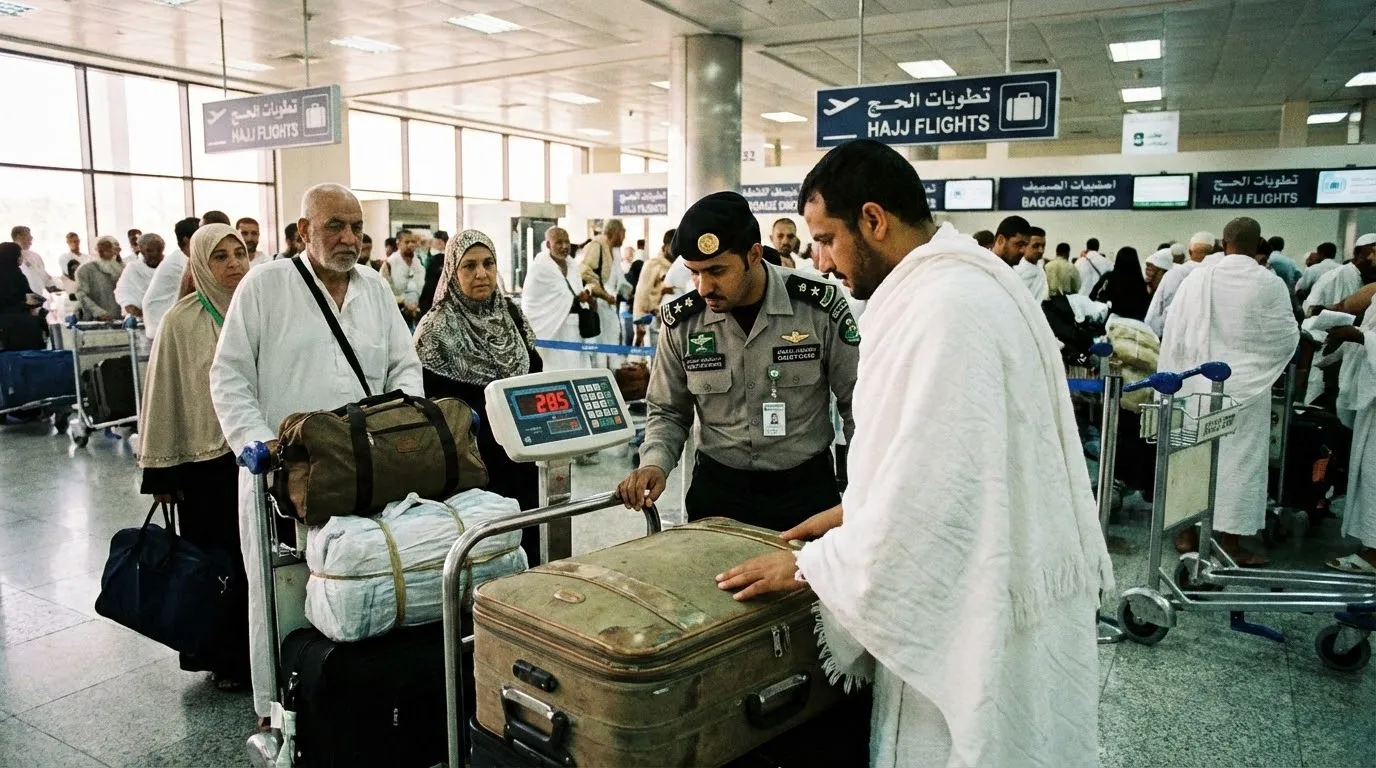



FRIDAY SERMON: Despair, Sadness and Hopelessness
A Path to Hope, Patience, and a Successful Life in the Light of the Qur’an and Hadith.
Mohammad Younis Bhat (Zahid)
Life does not always remain the same. Sometimes we experience success, and sometimes we face failure. At times, our hearts are at peace, while at other times, circumstances leave us exhausted and discouraged.
Not finding a job after completing a degree, suffering a business loss, facing family problems, experiencing relationship difficulties, comparing ourselves with others, or losing a loved one can all place a heavy burden on the human heart.
During such times, some people begin to consider themselves failures. They lose confidence in their abilities and start believing that their future holds no promise.
This can be particularly difficult for young people who have spent years pursuing their education, whose parents have high expectations of them, and who are still unable to achieve the results they had hoped for.
Islam does not dismiss human suffering. Rather, it recognizes our pain and guides us toward hope, prayer, patience, practical effort, and mutual support.
Faith does not mean that a person will never feel sad. It means maintaining a connection with Allah even during sadness, taking lawful and practical steps to improve one’s circumstances, and refusing to let despair become the final judgment on one’s life.
The purpose of this article is not to blame those who are struggling. It is to comfort their hearts, guide young people toward practical solutions, encourage families to avoid impulsive decisions, and explain through the Qur’an and Sunnah that difficult periods can pass and new opportunities for help and improvement can emerge.
1. Understanding Grief, Sadness, and Despair
Grief is a natural part of human life. Feeling sad because of a loss, failure, or separation does not automatically mean that a person has weak faith. Even the Prophets, peace be upon them, experienced grief and hardship.
Prophet Yaqub (Jacob), peace be upon him, was deeply saddened by his separation from his son, Prophet Yusuf (Joseph), peace be upon him.
The Holy Qur’an records his words:
إِنَّمَا أَشْكُو بَثِّي وَحُزْنِي إِلَى اللَّهِ
“I complain of my anguish and sorrow only to Allah.”
Surah Yusuf, 12:86
This verse teaches us that expressing our grief before Allah, asking Him for help, and turning to Him during difficult times are appropriate responses to suffering.
Sadness may be temporary, but sometimes it continues for a long period. Despair becomes particularly dangerous when a person begins to believe that no solution exists, that improvement is impossible, and that every effort is useless.
Remember: failing an examination, not finding employment, suffering a business loss, or experiencing difficulties in a relationship does not mean that your entire life has failed.
One closed door does not mean that every door in the world is closed.
If sadness persists for weeks and begins to affect daily activities, sleep, appetite, or relationships, seeking help from a trusted person, doctor, or mental health professional is important. Seeking treatment or advice does not contradict trust in Allah.
2. Never Lose Hope in the Mercy of Allah
One of the most encouraging verses in the Holy Qur’an states:
قُلْ يَا عِبَادِيَ الَّذِينَ أَسْرَفُوا عَلَىٰ أَنْفُسِهِمْ لَا تَقْنَطُوا مِنْ رَحْمَةِ اللَّهِ
“Say, ‘O My servants who have transgressed against themselves, do not despair of the mercy of Allah.’”
Surah Az-Zumar, 39:53
This verse teaches us that human beings may make mistakes, commit sins, and experience failures, but the door to Allah’s mercy is not closed.
If a young person has made a wrong decision, struggled academically, failed to find employment, or become trapped in a harmful habit, they should not conclude that their life is over.
Instead, they should turn toward repentance, self-improvement, and a fresh beginning.
Allah also records the words of Prophet Yaqub, peace be upon him:
وَلَا تَيْأَسُوا مِنْ رَوْحِ اللَّهِ ۖ إِنَّهُ لَا يَيْأَسُ مِنْ رَوْحِ اللَّهِ إِلَّا الْقَوْمُ الْكَافِرُونَ
“Do not despair of relief from Allah. Indeed, none despairs of relief from Allah except the disbelieving people.”
Surah Yusuf, 12:87
This verse strongly warns against despairing of Allah’s mercy. However, we must not judge a troubled Muslim’s faith merely because they experience sadness or negative thoughts. Declaring an individual to be a disbeliever is an extremely serious matter.
Our responsibility is to support those experiencing despair, remind them of Allah’s mercy, and help them find practical solutions rather than condemn them.
3. With Hardship Comes Ease
Allah says in the Holy Qur’an:
فَإِنَّ مَعَ الْعُسْرِ يُسْرًا إِنَّ مَعَ الْعُسْرِ يُسْرًا
“For indeed, with hardship comes ease. Indeed, with hardship comes ease.”
Surah Ash-Sharh, 94:5–6
Consider how firmly Allah encourages us to hope for ease.
A young person may spend years studying but still fail to secure a job. They may begin to believe that all their hard work has been wasted.
However, perhaps they need to explore another career path, learn a new skill, or look for opportunities in a different field.
We must understand that every outcome does not occur according to our wishes or within our preferred time frame. Nevertheless, this does not mean that we should abandon our efforts.
Sometimes, what we initially consider a failure becomes an opportunity to discover our abilities and find a better direction in life.
4. When You Cannot Find a Job After Completing Your Education
Today, many young people complete their graduation or postgraduate studies but continue to struggle to find employment. They invest years of their lives and significant financial resources in their education. Their parents place great hopes in them, but when employment does not come, their confidence begins to decline.
Some young people compare themselves with successful friends and begin to think, “Everyone else is moving forward, but I am falling behind. I have achieved nothing. I have failed to do anything for my parents.”
Such thoughts can deepen their distress.
The message for young people is simple: Not finding a job does not mean that you have failed as a person.
Your education, abilities, experience, and hard work are valuable. However, using them effectively may require continuous learning, practical experience, and a willingness to review your approach.
Allah says in the Holy Qur’an:
وَأَنْ لَيْسَ لِلْإِنْسَانِ إِلَّا مَا سَعَىٰ
“And that there is not for man except that for which he strives.”
Surah An-Najm, 53:39
This verse emphasizes the importance of effort. It does not mean that every effort will produce an immediate result or exactly the outcome we desire.
Young people should consider the following steps:
●Improve your résumé and practice for interviews.
● Apply regularly for suitable employment opportunities.
● Develop new skills relevant to your profession.
● Seek guidance from experienced people. ●Consider internships, voluntary work, or lawful entry-level employment to gain experience.
● Review your progress and change your strategy when necessary.
Never feel ashamed of starting small. Many great journeys begin with a single, modest step.
5. The Value of Time and How to Use It Wisely
Time is one of the most valuable resources in human life. Money that has been lost may be earned again, but time that has passed can never be recovered.
Allah says in Surah Al-Asr:
وَالْعَصْرِ إِنَّ الْإِنْسَانَ لَفِي خُسْرٍ إِلَّا الَّذِينَ آمَنُوا وَعَمِلُوا الصَّالِحَاتِ وَتَوَاصَوْا بِالْحَقِّ وَتَوَاصَوْا بِالصَّبْرِ
“By time, indeed mankind is in loss, except for those who believe, do righteous deeds, encourage one another to truth, and encourage one another to patience.”
Surah Al-Asr, 103:1–3
This short chapter presents a comprehensive principle for life: faith, righteous action, encouraging truth, and encouraging patience.
Young people should establish a practical daily routine.
Set your priorities in the morning. Make time for prayer and Qur’an. Allocate specific hours for studying, seeking employment, or planning a business. Look after your physical health. Spend quality time with your family, and limit unnecessary social media use.
If one day is wasted, do not lose hope. Begin again the next day.
True success does not mean never experiencing failure. True success means learning how to rise again after failure.
6. Maintaining a Connection with Prayer, the Qur’an, and Supplication
During difficult times, a person should strengthen their relationship with Allah.
Allah says:
أَلَا بِذِكْرِ اللَّهِ تَطْمَئِنُّ الْقُلُوبُ
“Unquestionably, by the remembrance of Allah hearts find peace.”
Surah Ar-Ra’d, 13:28
Prayer, recitation of the Qur’an, supplication, seeking forgiveness, and remembrance of Allah can provide spiritual support. Reading even a small portion of the Qur’an daily with its translation and reflecting on its message can help nurture hope.
Allah also says:
إِنَّ الصَّلَاةَ تَنْهَىٰ عَنِ الْفَحْشَاءِ وَالْمُنْكَرِ
“Indeed, prayer prohibits immorality and wrongdoing.”
Surah Al-Ankabut, 29:45
Alongside prayer, practical action is essential. If you cannot find employment, continue looking for work. If there are family disagreements, seek reconciliation. If you are facing a health problem, seek appropriate treatment.
Supplication and practical effort are not opposites. They should go hand in hand.
The Messenger of Allah ﷺ said:
“Be keen on what benefits you, seek help from Allah, and do not give up.”
Sahih Muslim, Hadith 2664
This Hadith is especially important for young people. Pursue what benefits you, seek Allah’s help, and do not surrender to difficulties.
7. The Dangers of Despair and Substance Abuse
When people experience prolonged distress, they may sometimes turn to intoxicants, harmful company, or other destructive habits in search of temporary relief.
They may believe that these things will reduce their sadness. In reality, such choices can make their problems more complicated. Their health may deteriorate, financial difficulties may increase, families may suffer, and their future may become more uncertain.
Allah says in the Holy Qur’an:
وَلَا تُلْقُوا بِأَيْدِيكُمْ إِلَى التَّهْلُكَةِ
“And do not throw yourselves into destruction.”
Surah Al-Baqarah, 2:195
We must protect our bodies, minds, lives, and futures.
If a young person has developed a substance-use problem, humiliating or condemning them is not enough. They may need medical treatment, professional addiction support, a trusted friend, or assistance from a responsible family member.
Likewise, someone experiencing severe despair should not be left alone without support.
If a person has thoughts of harming themselves, they should promptly seek help from a trusted person, a medical professional, or a local emergency service.
Remember: Asking for help is not a sign of weakness. It is a step toward protecting your life.
8. Breaking Families, Impatience, and Decisions Made in Haste
During periods of despair and anger, people sometimes make decisions whose consequences remain for years.
Marital disagreements, financial pressures, misunderstandings, pressure from in-laws, suspicion, ego, and a lack of communication can weaken a family.
Sometimes, small disagreements continue to grow. Instead of listening to one another, both parties try only to prove themselves right. Harsh words are exchanged, one spouse insults the other in front of the children, and eventually a decision is made that may later lead to regret.
Allah says in the Holy Qur’an:
وَعَاشِرُوهُنَّ بِالْمَعْرُوفِ
“And live with them in kindness.”
Surah An-Nisa, 4:19
This command highlights the importance of good treatment, respect, and responsibility within married life.
Disagreement itself does not mean that a family has failed. What matters is how the disagreement is handled.
Allah also provides guidance on appointing arbitrators when serious discord arises between husband and wife.
Surah An-Nisa, 4:35
This guidance shows that, where appropriate and safe, reconciliation may be pursued through wise family members, trusted religious scholars, or other suitable mediators.
The following principles can help strengthen families:
- Avoid making major decisions when overwhelmed by anger.
- Listen to one another without constant interruption.
- Never insult your spouse in front of the children.
- Do not let pride prevent you from apologizing when you are wrong.
- Seek solutions rather than allowing disagreements to escalate.
- Consult a qualified family counselor or trusted religious scholar when necessary.
However, patience does not mean tolerating abuse or violence. If someone’s safety or life is at risk, protection and appropriate assistance must come first.
The Messenger of Allah ﷺ said:
“The best of you are those who are best to their families.”
Jami’ at-Tirmidhi, Hadith 3895
We should remember that the true beauty of a home is not found merely in its building or wealth. It is found in the love, mercy, respect, and good character of the people living in it.
9. The Responsibilities of Parents and Society
Repeatedly telling a distressed young person, “You can do nothing,” “You are a failure,” or “Look how far everyone else has gone” can further damage their confidence.
Instead, listen to them, acknowledge their efforts, and help them explore solutions.
Parents should maintain realistic expectations. Not every young person achieves the same employment, income, or level of success at the same age.
A young person’s worth should not be measured solely by their salary or professional position. Honesty, hard work, character, responsibility, and kindness toward others are equally important.
Allah says:
وَتَعَاوَنُوا عَلَى الْبِرِّ وَالتَّقْوَىٰ
“And cooperate in righteousness and piety.”
Surah Al-Ma’idah, 5:2
This command teaches us the importance of helping one another. Society becomes better when we support people facing difficulties instead of making fun of their failures.
10. Ten Practical Lessons for Young People
Lesson 1: Do not judge your entire life by one failure, one examination, or one job interview.
Lesson 2: Identify three important and realistic tasks each day and work toward completing them.
Lesson 3: Establish a consistent routine for prayer, Qur’an recitation, supplication, and remembrance of Allah.
Lesson 4: If you cannot find a job, review your skills, résumé, and approach to job applications.
Lesson 5: Do not compare your life with the outward appearance of other people’s success.
Lesson 6: Never treat substance abuse or another harmful habit as a solution to emotional distress.
Lesson 7: Seek help if you experience persistent sadness or severe emotional pressure.
Lesson 8: In family disagreements, prioritize communication, consultation, and reconciliation rather than anger.
Lesson 9: If you have wasted time, do not waste more time in despair. Begin again.
Lesson 10: Maintain hope in Allah’s mercy, continue your lawful
efforts, and pray for a good outcome.
Conclusion:
Take One Small Step Today
Everyone moves through life at a different pace. Some reach their goals early, while others take longer. Some follow a straightforward path, while others must make repeated efforts before finding their way.
Achieving success later than expected is not the same as failing, and asking for help is not a weakness. The real danger is treating one difficult period as the final judgment on one’s entire life and abandoning effort, relationships, health, or hope.
Young people must understand that education alone does not guarantee success. Patience, wise use of time, practical planning, good character, healthy company, a relationship with Allah, and continuous effort are also important.
The Qur’an and Sunnah guide us toward action with hope, planning with patience, effort alongside prayer, and reconciliation when disagreements arise.
Choose one small step for yourself today. Speak to someone you trust. Apply for a job. Learn a new skill. Improve your consistency in prayer. Speak gently to a family member. Or contact a professional if you need support.
Remember: Today’s failure does not determine your tomorrow. Maintain hope in Allah’s mercy, value your time, and continue striving.
May Allah grant peace to our hearts, courage to our young people, love and mercy to our homes, blessings in our time, and goodness in all our efforts.
Ameen, O Lord of all the worlds.
And Allah knows best.
(STRAIGHT TALK COMMUNICATIONS EXCLUSIVE)