



E-challan issued by police officer through personal mobile phone “procedurally defective, legally infirm”
STC NEWS DESK
SRINAGAR, MAY 10 (STC):
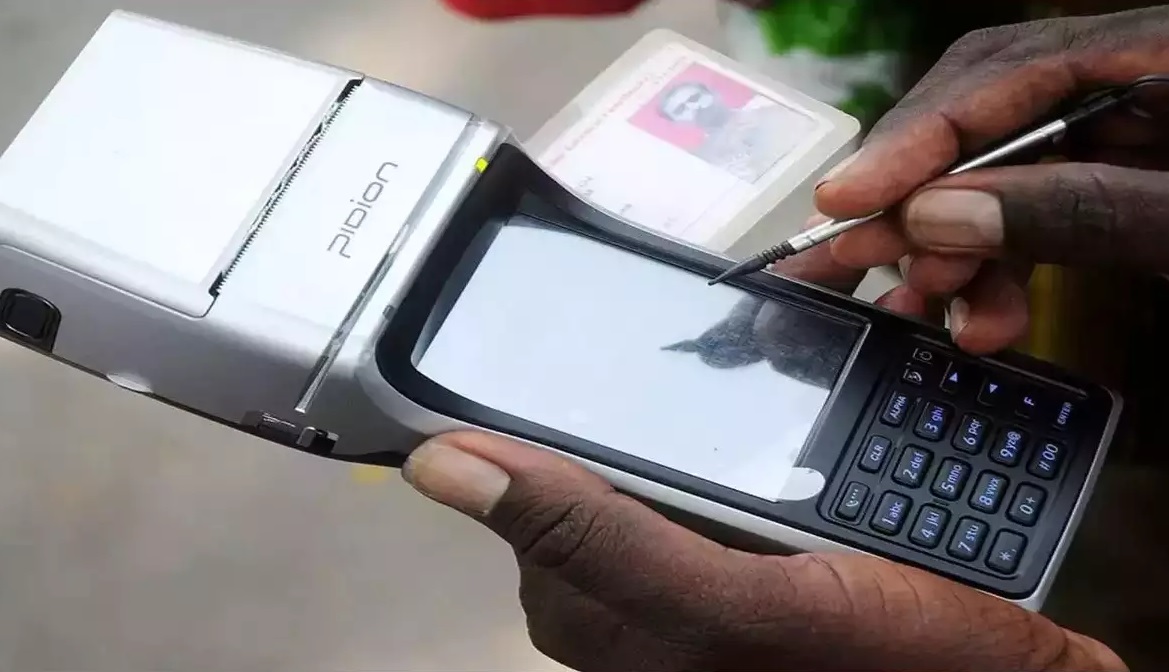
The e-challans of vehicles generated through a personal mobile phone/smartphone by a police officer lacks the mandatory procedural safeguards. It is in violation of Rule 167A of the Central Motor Vehicles Rules, 1989. Thus, such challans are invalid.
A trial court in Srinagar stated this while quashing multiple e-challans issued against a vehicle owner in a case titled Ahra Syed v. SSP Traffic Police City Srinagar.
Judge Shabir Ahmad Malik while allowing the application and quashing the challans, observed,
“… the issuance of a challan through a personal mobile phone/smartphone by a police officer as opposed to an officially issued and authenticated device is not in conformity with the mandate of Rule 167A of the CMVR and renders such a challan procedurally defective and legally infirm.”
It’s pertinent to mention that the Court was hearing a consolidated trial of three challans issued against the same vehicle for offences including “Disobedience of traffic signals” and “Driving vehicle on footpath or track in breach of Rules.” The registered owner appeared in person and contested the challans.
The Court examined Rule 167A of the CMVR, 1989, introduced vide notification G.S.R. 575(E) on 11.08.2021, which lays down the detailed procedure for electronic monitoring and enforcement. The Court noted that the term “electronic enforcement device” under the Rule includes speed cameras, CCTV cameras, speed guns, body wearable cameras, dashboard cameras, ANPR, and such other technology specified by the State Government.
The Court held that the Rule contemplates officially issued, authenticated, and designated devices that are procured and configured by the State Government, integrated with national databases, and capable of generating a unique, system-authenticated challan number with a tamper-evident audit trail.
“.. A personal mobile phone/smartphone however technologically advanced does not, by its mere ownership or possession by a police officer, acquire the character of a prescribed device under Rule 167A CMVR. Such a device lacks official authentication, is not registered or linked to the traffic enforcement system in the name and designation of the issuing officer, and is not subject to the oversight and accountability mechanisms envisaged by the Rule’l observed the court.
The Court further noted that Sub-rule (6) of Rule 167A mandates that every e-challan shall be accompanied with: clear photographic evidence highlighting the offence and the license plate of the vehicle, measurement from the electronic enforcement device, date, time and place of the offence, notice specifying the provision violated, and a certificate under Section 65B(4) of the Indian Evidence Act, 1872.
The Court also noted that e-challans can be issued only for the offences specified under Sub-rule (3) of Rule 167A, which include speeding, jumping red light, using handheld communication devices while driving, driving against the flow of traffic, and others. The Court observed that the prosecution failed to produce any evidence to prove that the alleged violator had committed the violation, despite sufficient opportunities.
(Straight Talk Communications)