



Extremely low water level in Jhelum River hints at squeezing water resources
STC NEWS DESK
SRINAGAR, OCTOBER 03 (STC):
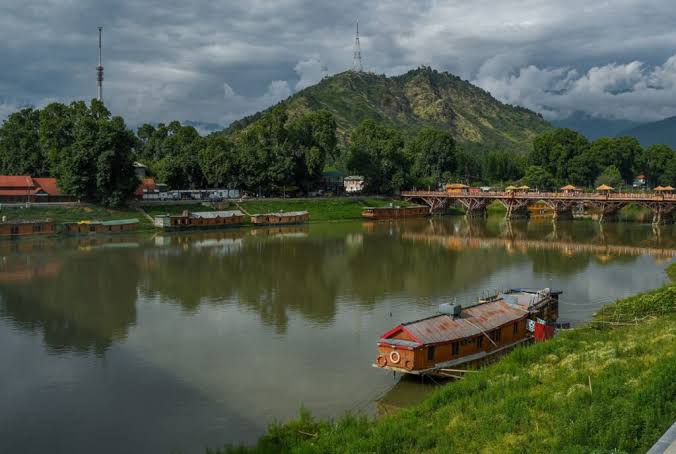
After the water level in the Jhelum River has dropped to a very low level amid dry weather conditions, experts have warned of a serious water shortage in the long term. The changing weather conditions have increased the concerns of environmentalists and meteorologists.
A news report by news agency National News Bureau (NNB) stated that the water level of the Jhelum River has once again dropped to an alarming level with below the zero gauge at the confluence.
According to the available data, the level of the Jhelum at the confluence was recorded at minus 0.13 feet, which has increased the concerns of environmentalists and meteorologists about the future of water in the Kashmir Valley and the changing weather conditions. Although the current level is higher than the extremely low levels recorded in the past, the fact that the Jhelum has gone below zero in the early days of October is an unusual situation, according to the experts.
They added that in recent years, Kashmir has witnessed significant changes in the traditional regime of rainfall, snowfall, snowmelt and temperature, which is also having a direct impact on the flow of the Jhelum River.
According to historical records, the level of the Jhelum at the confluence has witnessed extreme fluctuations over the years.
The available data reveals that on October 17, 2017, the level of the Jhelum reached minus 0.65 feet, which was declared the lowest level in the 62-year record of the station at that time. Similarly, in September 2023, the level of the Jhelum fell to 0.09 feet, which was declared the lowest level for that month in about 70 years. The situation became more serious in late 2024 and early 2025, when the water level at the confluence reached minus 0.82 feet in November 2024. On February 17, 2025, the Jhelum level dropped to minus 1.01 feet, a major reason for which was attributed to the snowless winter. After this, the water level was recorded at minus 0.86 feet on March 5, 2026, indicating a continuation of the low flow situation.
According to experts, the current level is relatively better than these extremely low records, however, the Jhelum reaching a negative level in early October raises the question of whether the river system is even getting the required amount of water before the coming winter.
According to meteorologist Dr. Tauseef Ahmed Butt, climate change in Kashmir is no longer a distant future threat, but its effects are already being felt in the region. He said that rising temperatures and changes in weather patterns have affected the traditional rainfall patterns in the Himalayan region. Dr. Butt also stressed that environmental degradation along with climate change is further complicating the situation. Deforestation, impact on water bodies and wetlands, and disruptions in the natural drainage system are further weakening the sensitive mountain ecosystem of Kashmir.
Environmental experts have termed the current situation of Jhelum as a symptom of increasing environmental stress in the Kashmir Valley. They said that pollution, encroachment, urban sprawl and constant tampering with natural resources have made Jhelum a stressed ecosystem and added that the amount of snow that fell this season has melted rapidly due to rising temperatures, which may affect the gradual water supply from the snowpack in the future. “The increase in temperature has also led to rapid absorption or runoff of rainwater, which may reduce the amount of water available for the river’s steady flow,” experts said abd warned that if the situation does not improve, Kashmir may face a water crisis in the future.
Recent scientific studies also link the decreasing flow in the Jhelum system to changes in seasonal rainfall, rising temperatures and other environmental stresses. According to experts, pollution, encroachment on the banks of the Jhelum River, rapidly growing urban population and changes in natural waterways are also posing a threat to the overall ecosystem of the river. They said, the continuous decline in the flow of the Jhelum can not only affect water resources but also affect agricultural activities, power generation, groundwater levels and aquatic ecosystems. Future of the Jhelum depends not only on the rainfall or snowfall of a single season but also on the rainfall, snowfall, snow accumulation, snowmelt, groundwater recharge and the overall condition of the natural ecosystems that provide water to the river, experts said.
(Straight Talk Communications)