


J&K activists protest at JNU against brutalities inflicted upon civilians in PoJK
STC NEWS DESK
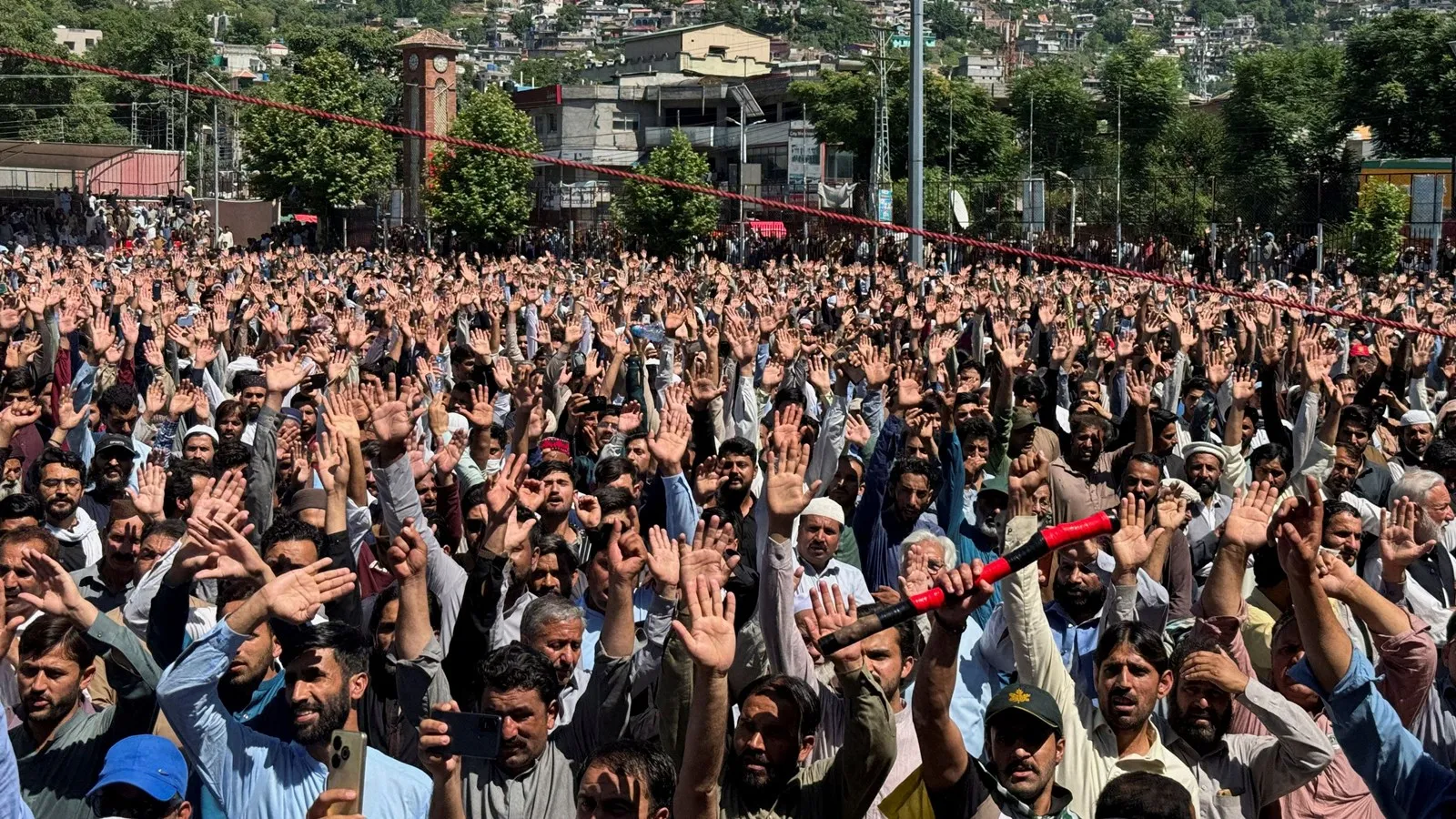
NEW DELHI, July 31 (STC): Activists from Jammu and Kashmir at the Jawaharlal Nehru University campus raised their voices against the alleged brutalities inflicted upon civilians in Pakistan-occupied Jammu and Kashmir (PoJK), demanding justice and immediate international intervention.
The protest followed a solidarity meeting organised at the Sabarmati Dhaba on the varsity campus, which witnessed an outpouring of support for the people of PoJK. The gathering, held under the banner of the Jammu and Kashmir Students of JNU, brought together students, research scholars, academicians, and community members who expressed deep concern over the deteriorating humanitarian situation across the Line of Control.
Social activist Ravinder Pandita, who was present at the event, strongly condemned the reported killings and violence targeting civilians in PoJK. He appealed to the United Nations and other international human rights bodies to take cognisance of the situation and press for accountability.
“The international community cannot turn a blind eye to what is happening. Civilians are paying the price for political conflicts, and this must stop,” Pandita asserted.
Activist Romi Sharma Poonchi echoed the sentiment, urging global agencies to examine the human rights violations and work towards ensuring the protection of fundamental freedoms in the region.
Law student slams Islamabad
Addressing the gathering, Rizwan Ahmed, a law student at Jamia Millia Islamia, launched a scathing attack on Pakistan for its actions in PoJK. He stressed that the protection of civilian lives was a non-negotiable tenet of international law and called for peaceful, lawful measures to address the crisis.
Scholars highlight shared heritage
Umar Farooq, a PhD Research Scholar at JNU’s School of Language, Literature and Culture Studies, spoke passionately about the historical and cultural ties binding the people on both sides of the border. He urged for dialogue and reconciliation, emphasising that the shared heritage of the region must be preserved.
Hamid Hashmi, another PhD scholar at JNU, struck a deeply emotional note, stating, “The people of PoJK are our own. They share our history, our culture, and our blood. We cannot remain indifferent to their suffering. Every democratic institution, civil society, and the international community must come together to ensure justice and human dignity for all.”
Humanity above politics
The meeting concluded with a unanimous appeal to keep humanitarian concerns above political differences. Participants expressed hope for a future rooted in peace, coexistence, and the unwavering protection of human rights for all people in the region.
A two-minute silence was observed during the subsequent protest as participants held placards and demanded an end to the violence in PoJK.
(Straight Talk Communications I Source KNS)