





J&K High Court reaffirms investigative competence of Crime Branch Kashmir in corruption-linked cases
ACB has no exclusive monopoly over investigation of corruption-linked offences.
STC NEWS DESK
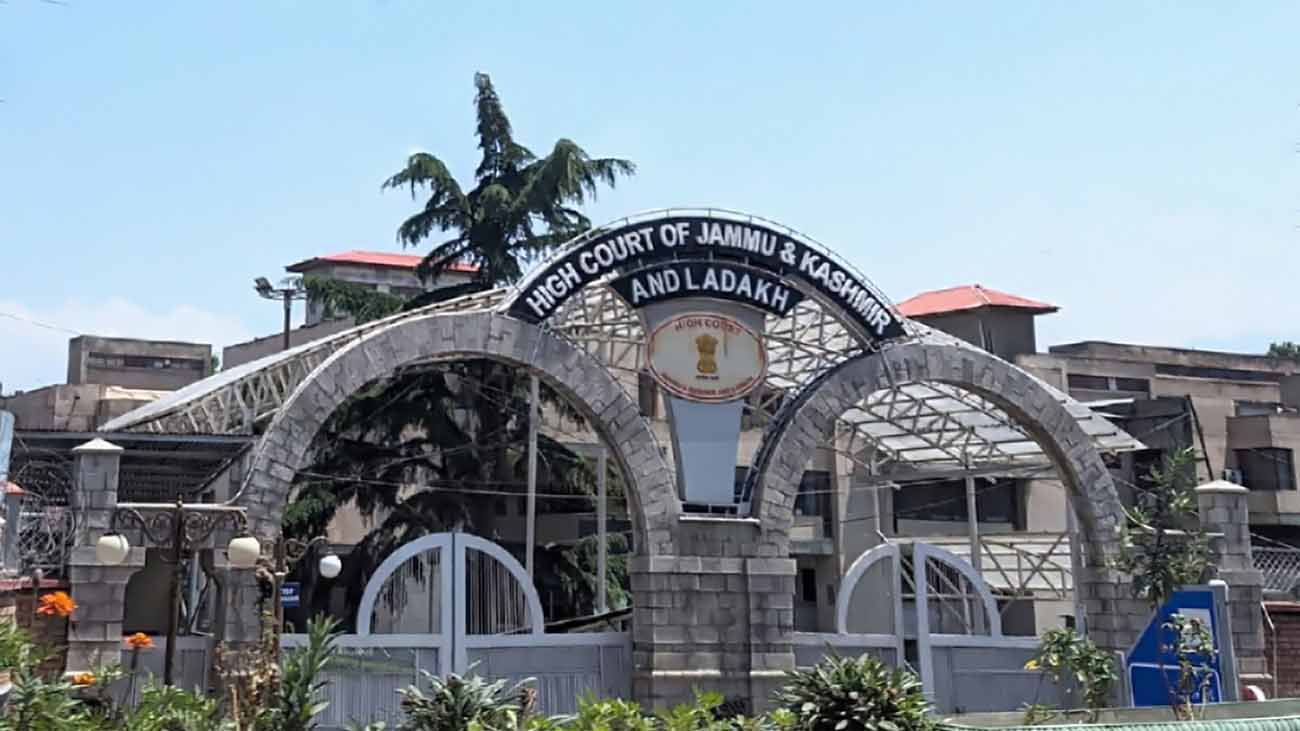
SRINAGAR, NOVEMBER 16 (STC): Jammu & Kashmir and Ladakh has has delivered a judgment reaffirming the investigative competence of Crime Branch Kashmir in corruption-linked cases and clarifies that the jurisdiction of a specialised agency cannot automatically be construed as an exclusive monopoly over every offence involving public servants.
The Court upheld the jurisdiction of Crime Branch Kashmir to investigate offences under the Ranbir Penal Code (RPC), even where allegations under the Jammu and Kashmir Prevention of Corruption Act, Svt. 2006, emerge during investigation, subject to statutory requirements.
The judgment was delivered by Justice Sanjay Parihar in CRM(M) No. 78/2023, titled Dr. Gulzar Ahmad and Another v. Crime Branch Kashmir, arising out of FIR No. 64/2021 registered at Police Station Crime Branch Kashmir.
The petitioners had challenged the jurisdiction of Crime Branch, contending that investigation into corruption offences fell exclusively within the domain of the Anti-Corruption Bureau (ACB).
Rejecting this contention, the Court held that the existence of a specialised agency does not, by itself, exclude the lawful investigative jurisdiction of the Crime Branch. The Court examined SRO 202 dated 03.06.1999 and Section 3 of the J&K Prevention of Corruption Act, clarifying that police officers of the prescribed rank, including those belonging to the Crime Branch, can investigate offences under the Act subject to statutory safeguards.
The case concerned allegations of deliberate manipulation of an age assessment certificate issued by a Medical Board in 1999, allegedly facilitating the beneficiary’s regularisation and permanent employment in the Public Health Engineering Department and enabling him to obtain undue service and financial benefits from the State exchequer.
While quashing the charges under Sections 467, 468 and 471 RPC for want of the essential ingredients of forgery, the Court allowed proceedings under Sections 420 and 120-B RPC, read with Section 5(2) of the J&K Prevention of Corruption Act, to continue.
The investigating agency has been permitted to take further steps and submit the final report before the competent court, subject to applicable statutory requirements, including sanction for prosecution wherever necessary.
(Straight Talk Communications)