


Archaeologists hoping to uncover artefacts at 2,000-year-old Buddhist site in Baramulla’s Zehanpora
Second phase of evacuation begins Friday and the discovery could shed new light on the region’s ancient history.
STC NEWS DESK
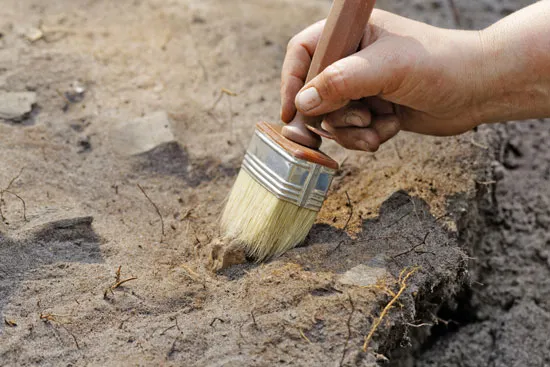
SRINAGAR, AUGUST 29 (STC): A nearly 2,000-year-old Buddhist archaeological site at Zehanpora in Baramulla district is set for the second phase of excavation. The authorities are looking to uncover artefacts that could shed new light on the region’s ancient history.
The second phase of excavation at the site began on Friday and is expected to continue for around 100 days, officials said.
Jammu and Kashmir Chief Secretary Atal Dulloo said the discoveries made during the first phase of excavation were “surprising and very interesting” and expressed hope that further work would reveal more about the ancient civilisation that once flourished in the area.
The Directorate of Archives, Archaeology and Museums, in collaboration with the University of Kashmir, had signed an MoU last year for archaeological excavation at Zehanpora.
After obtaining the required permission, the first phase of excavation was carried out in November last year but had to be curtailed due to the onset of cold weather.
“The main things that are understood so far, however, when they do the whole excavation, the whole story will be revealed,” Dulloo said.
He said the site is understood to be around 2,000 years old and has been identified as a Buddhist archaeological site. References to the site are also found in historical records, and the authorities are attempting to establish links between those accounts and the archaeological evidence emerging from the excavation.
Several structures, artefacts and other material unearthed at the site offer clues about the tools, materials and way of life of the people who lived there, he said.
“Whatever is excavated from here is also being tested. Carbon dating is also being done. Various tests are being carried out,” Dulloo said.
He said the excavation was being undertaken using scientific methods and modern archaeological technology, with University of Kashmir students also participating in the fieldwork.
Dulloo congratulated the university, its archaeology department and students for their involvement in the project, saying the excavation would also provide practical experience in archaeological techniques.
The second phase is expected to provide more findings as researchers will have around three months to work at the site, compared with only about a month during the previous excavation season.
Dulloo said the complete excavation of the archaeological site could take as long as five years, indicating the scale of the historical remains that researchers hope to document.
He said the discoveries could eventually emerge as an important cultural asset for Jammu and Kashmir and potentially become a major attraction for tourists interested in the region’s Buddhist and archaeological heritage.
The excavation is expected to help researchers better understand Kashmir’s historical connections with Buddhism and the broader cultural and civilisational developments that shaped the region nearly two millennia ago.
(Straight Talk Communications)