

BY THE WAY: Significance of Sign Language
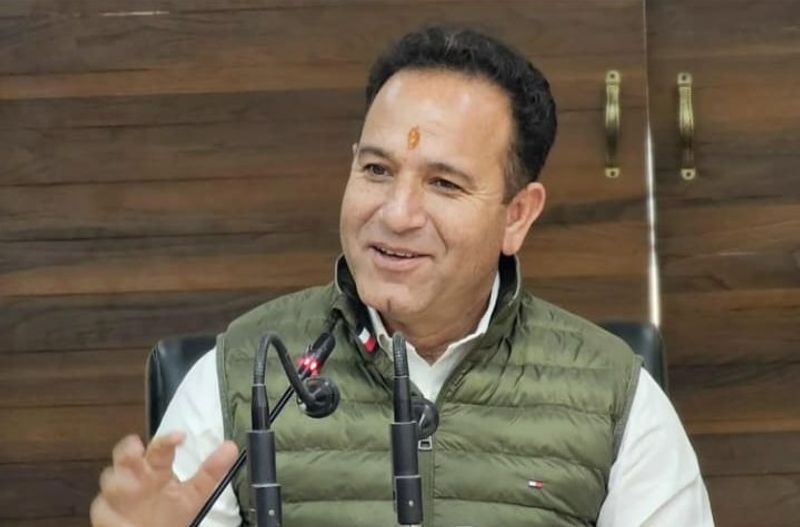
Dr Noour Ali Zehgeer
The world celebrates the International Day of Sign Languages on 23rd September for the full realisation of the rights of hearing-impaired people. Sign language is a means of communication through body movements, especially hand, finger, arm, head, and facial expressions, besides particular symbols that have been developed for communication. It is a full-fledged natural language with its own grammar and lexicon. Celebrating a day is not enough, is our government doing enough for 1.3 M in India, my take is no, we don’t have enough schools, and infrastructure in government institutions and corporates for this community This practice is older than speech.
Since conventional speaking requires the ability to hear for people to learn and use spoken language, sign language helps hearing-impaired people communicate with others as well as among themselves. This helps in the social inclusion of HI people and leads to a path of their all-round development with dignity.
The history of signs is as old as civilisation itself. When there was no formal language, signs were used for communication. Initially, babies and their families communicate with each other through signs. Over time, standard sign languages such as American Sign Language (ASL), British Sign Language (BSL), and Indian Sign Language (ISL) have developed. These languages serve as effective communication tools for HI people to interact and function in society.
Sign language is used where speaking is not possible or difficult. It can be frustrating for those people when they are unable to communicate properly with the people around them. Sign language bridges the communication barriers between hearing-impaired and speaking people.
Sign language is a naturally evolved language like other oral languages and is considered the mother tongue of many HI people. Like other spoken languages, sign language is also used to convey feelings, thoughts, and other information to recipients. Sign language interpreters translate oral language into visual-manual language to help HI people understand the information.
According to Census 2019, there are more than 19 lakh people and more than one crore people with some degree of hearing difficulty in Bharat. As per a WHO report, by 2050, nearly 250 crore people will have some degree of hearing loss and at least 70 crore will require hearing rehabilitation worldwide. Hence, there is a need to promote sign language in various areas for the betterment and upliftment of HI people. Once hearing children learn sign language, it will help them interact with their HI counterparts, which will be useful in the mainstreaming and inclusive education of such students.
Access to information through sign language is a fundamental right of people. It is also essential to provide educational, vocational, social, and personal guidance in sign language to HI people. Such people have to face a lot in the form of social stigma and discrimination. The lack of facilities, such as the unavailability of signage at public places and challenges in schools and workplaces, makes their day-to-day lives difficult.
Major Challenges in India
- Lack of Awareness
Many people, including educators, employers, and government officials, are unfamiliar with Indian Sign Language. This lack of awareness often leads to communication barriers and social exclusion.
- Shortage of Qualified Interpreters
India faces a significant shortage of certified sign language interpreters. This affects access to education, courts, healthcare facilities, workplaces, and public events.
- Educational Barriers
Many schools do not have trained teachers proficient in ISL. Deaf students often struggle because teaching methods are designed primarily for hearing students. Limited educational resources in sign language further widen the learning gap.
- Employment Challenges
Deaf employees frequently encounter workplace communication difficulties, limited accessibility, and inadequate support services. The absence of interpreters during meetings and training programmes affects career growth and productivity.
- Limited Technological Support
Although assistive technologies are improving, sign-language recognition and translation tools for Indian languages remain underdeveloped. The diversity and complexity of sign languages make standardisation and technological integration challenging.
- Social Stigma and Isolation
Many Deaf individuals face discrimination, stereotypes, and exclusion from social activities due to communication barriers and misconceptions about hearing disabilities
- Insufficient Access to Public Services
Healthcare, emergency services, legal systems, and government programmes often lack sign-language support, making it difficult for Deaf citizens to access essential services independently.
Recent Progress in India
- Establishment of the Indian Sign Language Research and Training Centre (ISLRTC).
- Development of ISL dictionaries and training programmes.
- Increasing use of digital platforms and video relay services for communication.
- Growing recognition of accessibility and inclusion under the Rights of Persons with Disabilities framework.
The absence of sign language interpreters in schools is an important barrier to the education of HI persons, which ultimately results in many such people remaining uneducated or being forced to drop out. Under Samagra Shiksha, efforts have been made to provide appropriate hearing equipment to HI children so that they can cope with the lessons taught and remain in the mainstream.
It is the need of the hour that sign language be promoted effectively in every walk of life, not only for HI people and those working with them, but for all members of society and families where such persons live.
Awareness and sensitisation activities will pave the way for changing the mindset of society as well as families. This will prove to be a milestone in the long run for mainstreaming HI people and contributing to the welfare of the country.
Indian Sign Language is a vital tool for empowering the Deaf community and ensuring equal participation in society. India needs to make progress through institutional support and awareness initiatives, challenges such as limited interpreter availability, educational barriers, social stigma, and inadequate accessibility continue to hinder full inclusion. Greater investment in ISL education, technology, interpreter training, and public awareness is essential to create a truly inclusive society.
(STRAIGHT TALK COMMUNICATIONS EXCLUSIVE)