

Director SKIMS Prof. Ashraf Ganie calls for revival of traditional food practices to address rising burden of lifestyle diseases
STC NEWS DESK
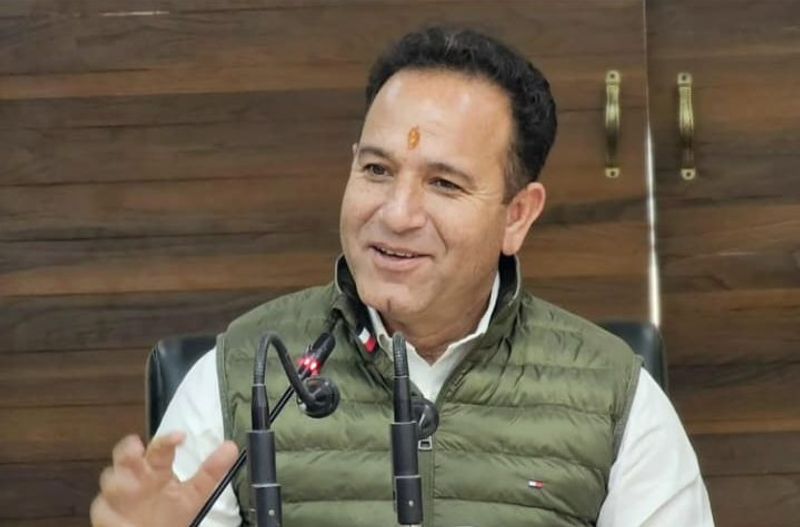
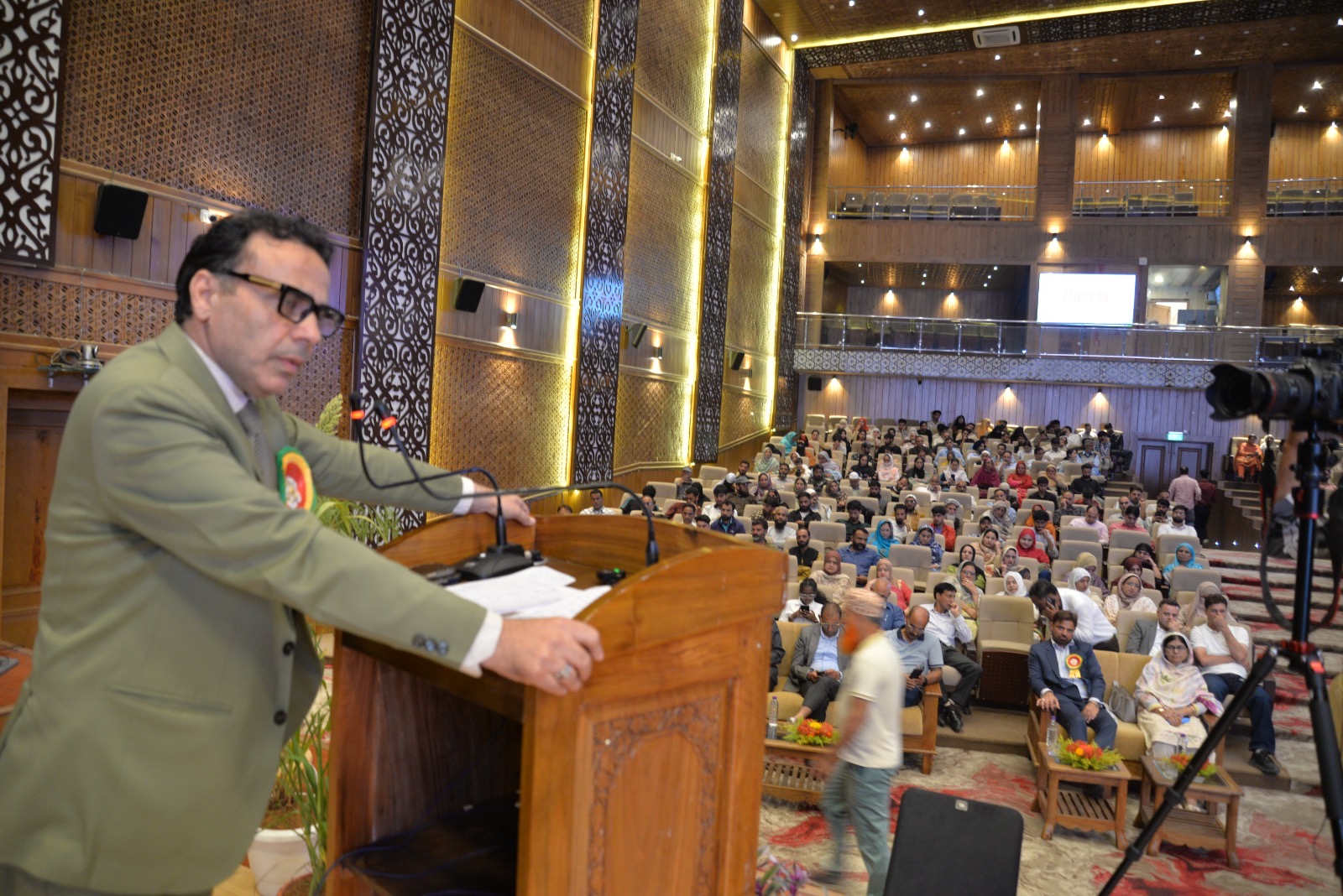
SRINAGAR, SEPTEMBER 24 (STC): Director Sher-i-Kashmir Institute of Medical Sciences (SKIMS), Prof. M. Ashraf Ganie, today called for a systematic revival of traditional food and lifestyle practices to address the growing burden of non-communicable diseases and the emerging challenges of modern food culture.
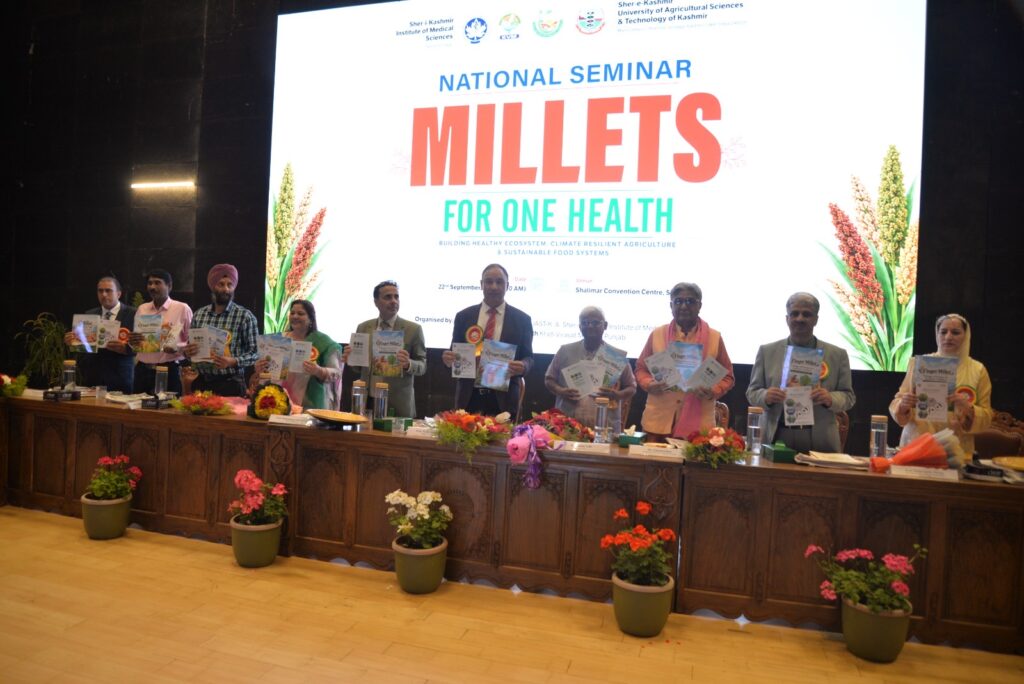
He was speaking at a national seminar – Millets for One Health – organised jointly by SKIMS and Sher-e-Kashmir University of Agricultural Sciences & Technology (SKUAST), in collaboration with Kheti Virasat Mission.
Addressing the gathering, Prof. M. Ashraf Ganie said that the seminar represents an important step towards reconnecting modern society with traditional practices that had historically placed greater emphasis on wholesome, locally available foods. He said, “We need to revive our old practices. This seminar is a significant step in that direction. Our traditional food systems had a wisdom that we must rediscover and integrate with modern scientific knowledge.”
Prof. Ganie, a renowned endocrinologist, highlighted the increasing burden of non-communicable diseases and cautioned against the prolonged and indiscriminate exposure to pesticides and other chemicals, particularly in the context of their potential impact on endocrine function.
He emphasised that the rising burden of lifestyle-related diseases requires a systematic shift in the way society approaches food, nutrition, agriculture and health.“Non-communicable diseases have emerged as a major public-health challenge, accounting for a substantial share of morbidity. He further underlined the importance of micronutrients in maintaining metabolic health and said that nutritional deficiencies and poor dietary diversity can have far-reaching consequences for metabolism and overall wellbeing.
Referring to the increasing prevalence of obesity among younger populations, Prof. Ganie said that promoting millet cultivation and consumption could also become a means of reclaiming healthier household food practices.“
The kitchen has to be brought back to its rightful place in our homes. When we restore healthy food to our kitchens, we also restore family discourse, shared meals and healthier habits. This is not merely about changing a grain—it is about changing the culture around food.”
He observed that the growing dependence on highly processed foods and the spread of junk-food culture are contributing to changing dietary patterns, particularly among children and young people.
Prof. Ashraf said that healthy lifestyle is an important form of empowerment, adding that healthier individuals and families are essential for building a healthier and more productive nation and contributing to the vision of Viksit Bharat. He also announced that SKIMS and SKUAST would take the collaboration forward, bringing together their respective expertise in medicine, endocrinology, nutrition, agriculture, research and public health to advance the mission of promoting healthier food systems and lifestyles.
The seminar brought together perspectives from healthcare, agriculture, nutrition and traditional knowledge, emphasising the interconnectedness of human health, environmental sustainability and food systems—the core philosophy of One Health.
The deliberations highlighted the need for stronger collaboration between medical institutions, agricultural universities, researchers, farmers and communities to promote evidence-based, sustainable and healthier food practices. The event concluded with a shared commitment to take forward the dialogue on millets and One Health through sustained academic, research and community-oriented initiatives.
It’s pertinent to mention that the programme was graced by renowned millet expert and popularly known as the “Millet Man of India,” Dr. Khadar Valli, as Guest of Honour.
Director SKIMS Prof. M. Ashraf Ganie and Vice Chancellor SKUAST Prof. Nazir Ahmad Ganie were the Chief Patrons.The seminar witnessed enthusiastic participation from farmers, academicians, healthcare professionals, students and representatives from various institutions across the region, reflecting growing interest in millets, sustainable agriculture, nutrition and the One Health approach.
(Straight Talk Communications)