

Beyond the Boardroom
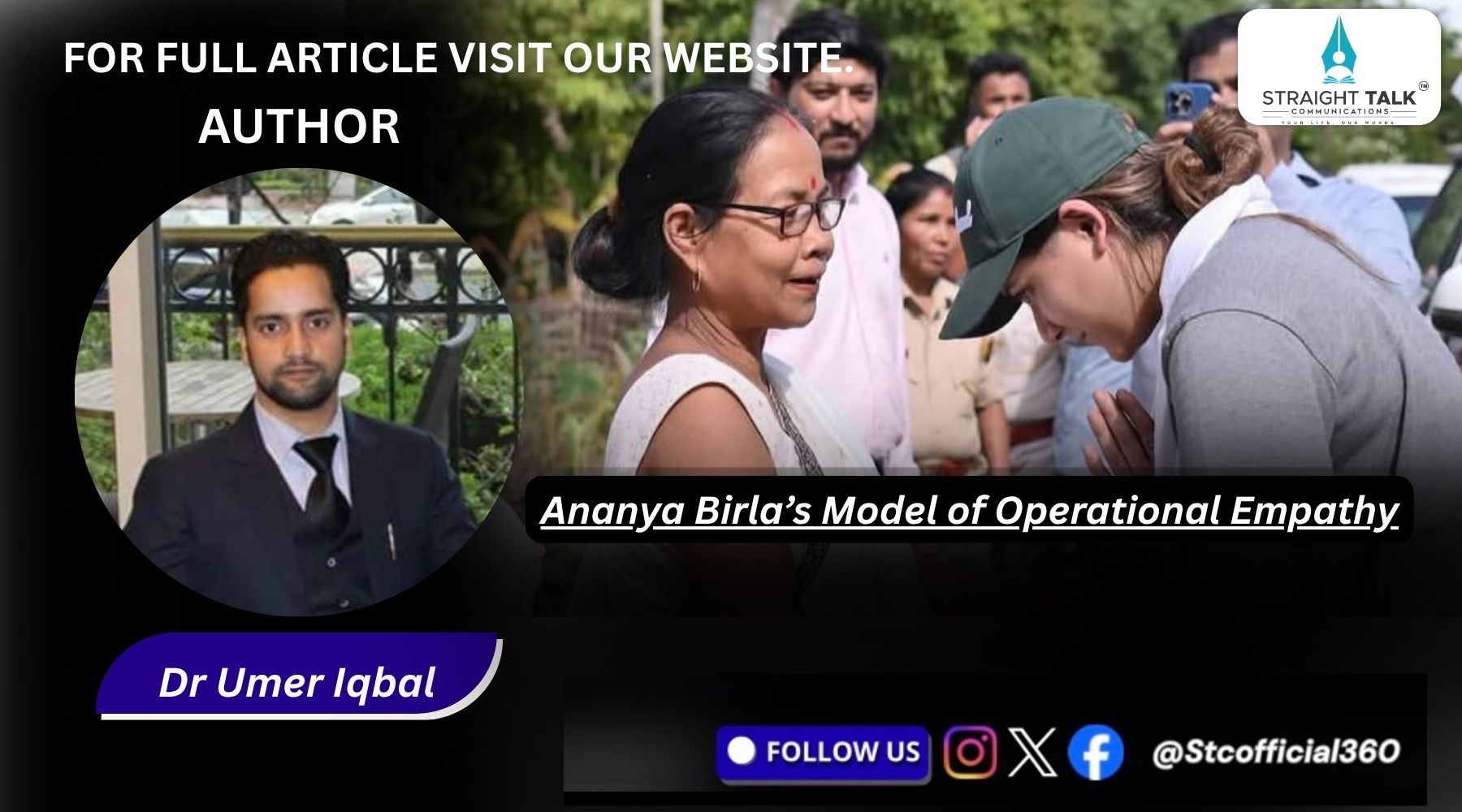
Ananya Birla’s Model of Operational Empathy
By Dr Umer Iqbal
Philanthropy within high-net-worth ecosystems frequently manifests as an abstract, hyper-sanitised affair. It is conventionally characterised by tax-efficient wire transfers, institutional grants, or ostentatious galas hosted thousands of miles away from the theater of human crisis. While capital allocation is undeniably essential in disaster management, financial disbursement alone often lacks the visceral connection required to comprehend the operational and psychological realities of disaster response.
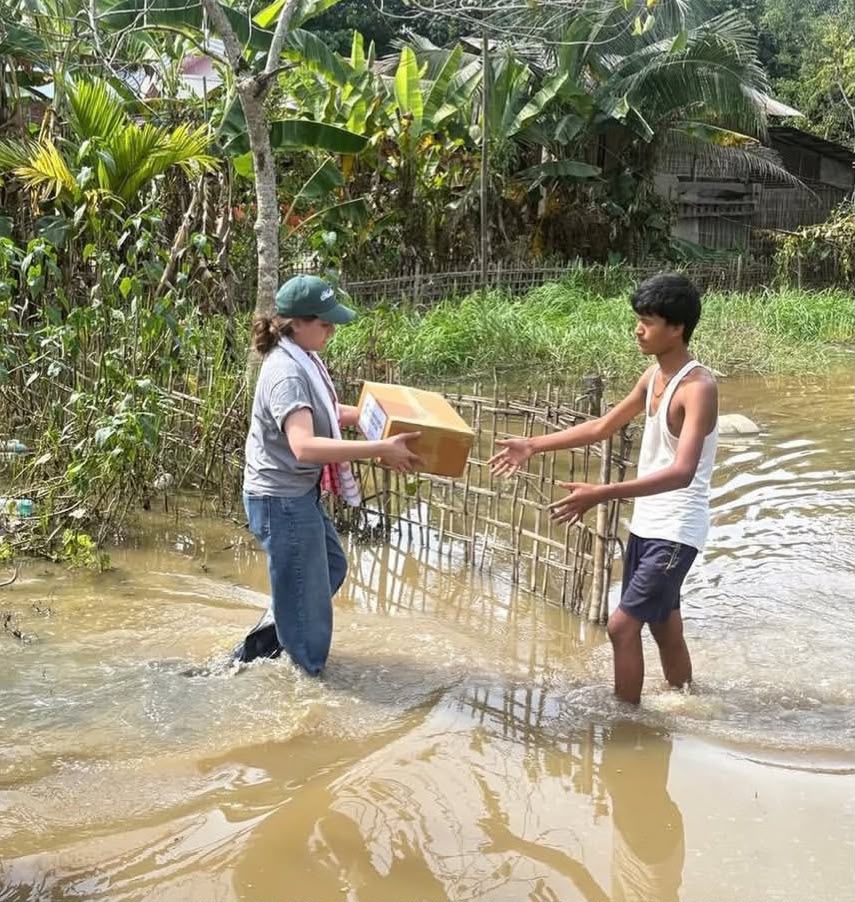
When severe monsoon inundations recently devastated communities across upper Assam, leaving thousands marooned amid rising silt, destroyed infrastructure, and widespread sanitation hazards, a notable departure from standard corporate charity unfolded. Ananya Birla, ab entrepreneur, singing enthusiast, sports franchise owner was observed physically traversing submerged terrains, wading through knee-deep mud and waterlogged passages alongside grassroots relief teams to directly deliver vital supplies to displaced families.
Stripped of corporate insulation, this act extends beyond a mere charitable gesture; it serves as a critical case study for contemporary governance and executive stewardship. It offers pertinent insights into how socioeconomic leverage, institutional influence, and effective crisis mitigation must intersect when authentic engagement replaces arm’s-length benevolence.
In traditional management frameworks, executive decision-making is heavily filtered through administrative layers and delegated reporting. However, crisis mitigation during acute environmental emergencies demands proximate observation.
By physically stepping into inundated villages, an individual in a position of influence acquires unvarnished operational intelligence. Sitting in a distant boardroom renders it impossible to truly measure the micro-logistical bottlenecks that paralyse disaster zones such as the collapse of secondary distribution routes, acute drinking water shortages, or the compounding trauma of displaced households. Direct exposure bridges the gap between theoretical planning and context-aware execution, allowing relief strategies to adapt dynamically to real-time necessities.
It also holds true that the conventional philanthropy often reinforces an implicit, asymmetrical hierarchy wherein the benefactor operates from an elevated vantage point while the beneficiary occupies a state of passive dependency. Entering muddy waters side-by-side with localised volunteers fundamentally alters this dynamic, shifting the ethos from patronising charity to active solidarity. When high-profile industrial figures voluntarily relinquish physical comfort and endure hazardous conditions, it signals a shared human baseline. This distinction is far from trivial; preserving the dignity of marginalized populations during acute distress is as vital as the physical provisions distributed.
In an era dominated by calculated public relations and curated media narratives, discerning audiences readily distinguish superficial posturing from genuine ground-level commitment. Physical involvement in inundation zones entails unpredictable variables, physical exhaustion, and health hazards that cannot be simulated for visual appeal. For emerging corporate leaders and public stewards, the core implication is clear: operational credibility and moral authority are earned through presence rather than press releases.
Importantly, effective ground-level intervention does not supplant institutional capability; rather, it magnifies it. The deployment of direct aid in flood-ravaged regions like Sivasagar and Dibrugarh was backed by organised logistical frameworks capable of mobilising large-scale rations, medical supplies, and sanitation kits from urban centers to remote volunteer networks. This hybrid approach demonstrates how personal immersion can synergise with organizational power to maximize relief efficacy.
Ultimately, direct field exposure acts as a catalyst for sustained, long-term commitment. Leaders who have directly went through the detritus of natural disasters develop a nuanced understanding of post-crisis rehabilitation, flood-resilient infrastructure, and community empowerment. Modern leadership requires a revised mandate, one asserting that true governance demands not merely macro-level financial oversight, but an unyielding willingness to go through the terrain, mud and all, alongside the communities one seeks to serve.
The author can be mailed at: umerwani99@gmail.com