



SUNDAY BYTES: Where Is Kashmir’s Baitul Maal?
Perhaps the time has come to ask a more demanding question.If we have never lacked compassion, why have we hesitated to institutionalize it?
Dr. Fiaz Maqbool Fazili
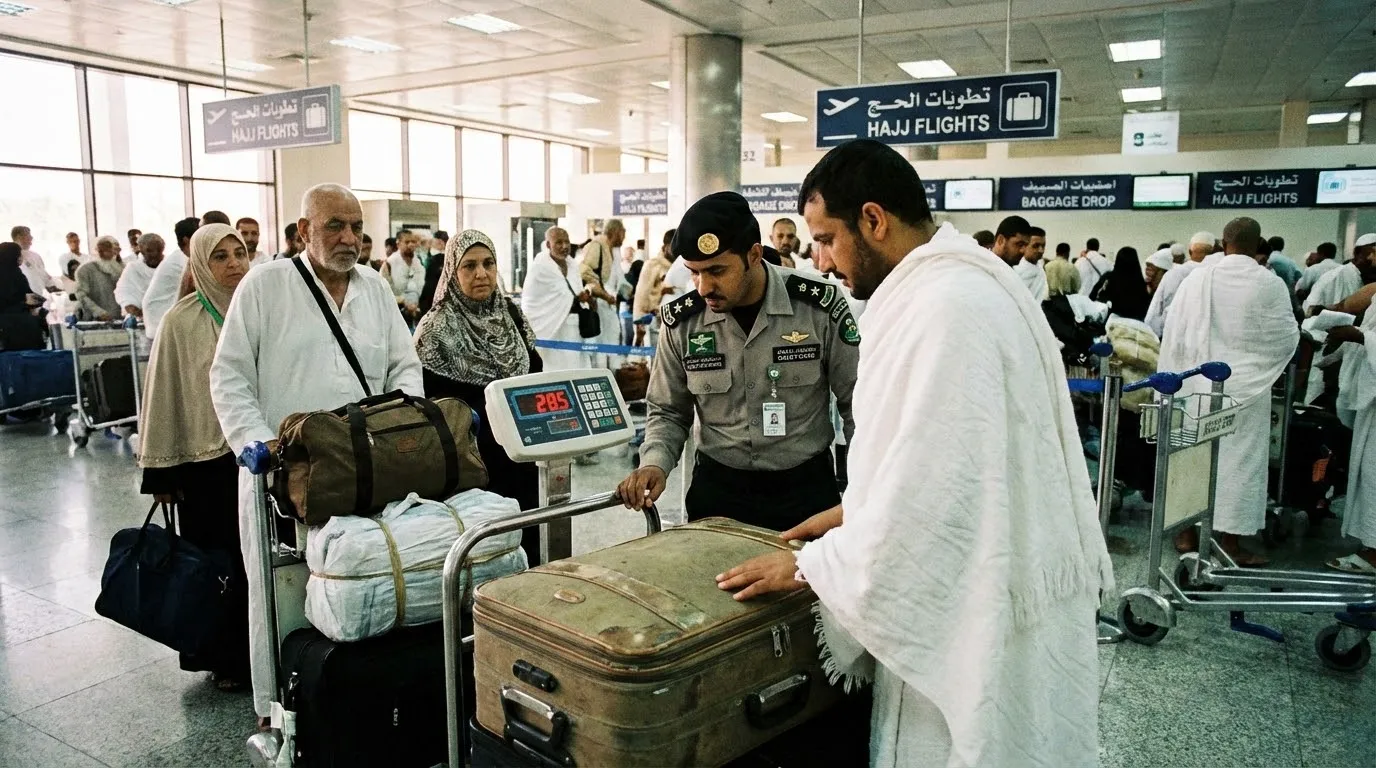
Every Ramadan, a familiar procession arrives in Kashmir. Representatives of madrasas, orphanages, seminaries, and welfare organizations from Bihar, Jharkhand, Uttar Pradesh, Punjab, and elsewhere travel across the Valley seeking zakat, sadaqah, and charitable donations. They visit mosques, marketplaces, and neighbourhood’s because they know something few would dispute: Kashmiris give.
We give generously, instinctively, and often anonymously. We contribute to humanitarian causes far beyond our borders. We respond to appeals on social media within hours. A patient requiring emergency treatment can sometimes receive lakhs of rupees through public donations faster than official assistance arrives. Yet amid this remarkable tradition of charity, a question refuses to leave my mind: Why has Kashmir, despite its culture of giving, never built a widely trusted and enduring Baitul Maal of its own? If we can help fund welfare institutions elsewhere, why do we still depend on emergency collections whenever one of our own families faces catastrophe? This is not a criticism of generosity. It is a question about institution-building. For decades, we have mastered the art of responding to crises. We have not mastered the art of preventing them from becoming crises in the first place.
Almost every day brings another appeal. A child needs heart surgery. A cancer patient requires treatment. A student cannot afford university fees. A family has sold its savings to survive illness. Social media filled with photographs, prescriptions, account numbers, and urgent pleas. Compassion follows. Money is collected. Immediate distress is eased. Then another appeal appears.And another.And another.Individually, these campaigns reflect the best of society. Collectively, they reveal a deeper weakness. Why are we repeatedly fundraising for the same forms of suffering without creating institutions capable of addressing them systematically? The uncomfortable truth may be this:Kashmir is rich in charity but poor in organized philanthropy.
The classical Islamic institution of Baitul Maal was never merely a donation box. It was a structured welfare treasury designed to support widows, orphans, debtors, travelers, the poor, and those struck by hardship. Its purpose was not only relief but social stability, dignity, and economic security.
Today, despite digital banking, instant communication, and unprecedented connectivity, we seem farther from that vision than we should be. The usual explanation is trust. People prefer giving directly because they know the recipient or can verify the hardship. Institutions require confidence in systems, governance, audits, and accountability. Unfortunately, public trust remains one of our scarcest social resources. Yet trust alone does not explain everything.
Mosque committees rarely struggle to raise funds. Renovation projects often receive generous support. New construction, expansions, improvements, and beautification projects frequently attract enthusiastic donors.This is not an argument against maintaining or improving mosques. Mosques remain the heart of Islamic life and community cohesion. Their upkeep is a collective responsibility.
Yet a respectful question deserves reflection.Could a small portion of the energy, planning, and fundraising devoted to physical infrastructure also be directed toward social infrastructure?
Islam does not ask believers to choose between the mosque and the needy. It asks them to honor both.Sometimes, however, communities become so focused on expanding buildings that they unintentionally overlook expanding social support. A new façade is visible. A widow’s silent struggle is not. A renovated hall is celebrated publicly. A family sinking into debt suffers privately.
The issue is not architecture versus compassion.It is balance.A mosque’s contribution should be measured not only by the beauty of its structure but also by the strength of its service to humanity. The true legacy of a community is not merely what it builds in stone, but what it builds in people.
Kashmir’s circumstances make this conversation increasingly urgent.Long winters, unemployment, inflation, rising healthcare expenses, educational costs, and recurring disruptions have left many families financially vulnerable. Increasingly, even middle-class households discover that one hospitalization can erase years of savings. In such an environment, a modern well organised Baitul Maal is not an exercise in nostalgia. It may be a social necessity, giving food ,clothes, shelter aid through micro loans. But nostalgia alone will not build it.
A contemporary Baitul Maal must be transparent, professional, non-sectarian, and community owned. Every rupee collected and every rupee spent should be digitally recorded and publicly auditable. Independent audits should be mandatory. Donors should have access to annual reports. Beneficiaries should be selected through clear criteria rather than influence or connections.Most importantly, it must belong to everyone, not to a sect, faction, political tendency, or individual institution.
A practical framework, rather than launching a Valley-wide institution overnight, a pilot model could begin at the mohalla or village level.A registered community trust representing several neighbourhood’s could collect voluntary monthly contributions from households, business owners, professionals, traders, and the Kashmiri diaspora. The initial focus should remain limited to three priorities:Emergency medical assistance.Educational support for deserving students.Assistance to widows, orphans, and distressed families.Once credibility is established, the second phase should move beyond charity toward empowerment.
A dedicated portion of funds could support “Qard Hasan” (interest-free loans), vocational training, self-employment initiatives, and micro-enterprises. A carpenter needing tools, a tailor requiring a machine, a graduate launching a small business, or a woman starting a home-based enterprise could receive assistance designed to generate income rather than dependence.The goal should not be to create permanent beneficiaries.The goal should be to create future contributors.That is the difference between relief and transformation.Of course, challenges remain. Favoritism, political interference, administrative weaknesses, and donor fatigue are real risks. A poorly designed institution could become another disappointment.Yet there is an equally serious risk in doing nothing.The risk of normalizing public displays of private suffering.The risk of accepting crowdfunding as a substitute for social welfare.The risk of mistaking generosity for a system.And the risk of allowing each new crisis to begin from zero.
Perhaps the most revealing question is also the simplest:Why does one of South Asia’s most charitable societies still lack a trusted institution capable of pooling even a fraction of that generosity for the common good?
A modern Baitul Maal will not eliminate poverty. It will not end every emergency appeal. No institution can. But it could replace fragmented compassion with organized compassion, emergency giving with strategic giving, and charity with dignity.The true measure of its success would not be the crores it collects or the buildings it occupies.
It would be the number of patients who receive treatment before launching an appeal, the number of students who complete education without begging for assistance, the number of widows who earn livelihoods instead of seeking handouts, and the number of families spared the humiliation of publicly displaying their hardship.
We often speak proudly of Kashmir’s generosity. Perhaps the time has come to ask a more demanding question.If we have never lacked compassion, why have we hesitated to institutionalize it? Until we answer that question honestly, donation boxes will continue to circulate, fundraising messages will continue to multiply, and desperate families will continue to rely on public appeals.A society’s greatest achievement is not that it rushes to rescue people in crisis.It is that it builds institutions strong enough that fewer people fall into crisis in the first place.That, perhaps, is the unfinished promise of Baitul Maal in Kashmir. And it is a question worth asking before the next appeal arrives on our phones tomorrow morning.
(STRAIGHT TALK COMMUNICATIONS EXCLUSIVE. Dr. Fiaz Fazili is a columnist writing on social reforms with a focus on positive perception management. He can be reached at drfiaz.fazili@gmail.com.)